
- A Comprehensive Guide
Drug & Alcohol Rehab and Mental Health Treatment in Monroeville, Pennsylvania
RCA at Monroeville offers same-day admissions for medical detox, inpatient rehab, residential mental health treatment, outpatient programs, and dual diagnosis care — just minutes from Pittsburgh. Evidence-based treatment. Compassionate care. One call to start.



-
 Written by: Alexandra Talarico
 - Clinically Reviewed by: Pete Vernig
- Compliance Reviewed by: Marianne Birmingham



You want your life back.
We’ll show you the way.
If you or someone you love is struggling with addiction or mental illness in Western Pennsylvania, you’re not alone. Located just outside Pittsburgh, Recovery Centers of America at Monroeville provides trusted, evidence-based care for addiction, mental illness, and dual diagnosis, right in your community.
Whether it’s alcohol misuse, opioid dependence, prescription drug addiction, dual diagnosis, depression, anxiety, schizophrenia, PTSD, bipolar disorder, or other mental illness, we provide a full continuum of care—including aftercare planning, family support, and a robust alumni network—that meets you exactly where you are to help you reclaim your life.
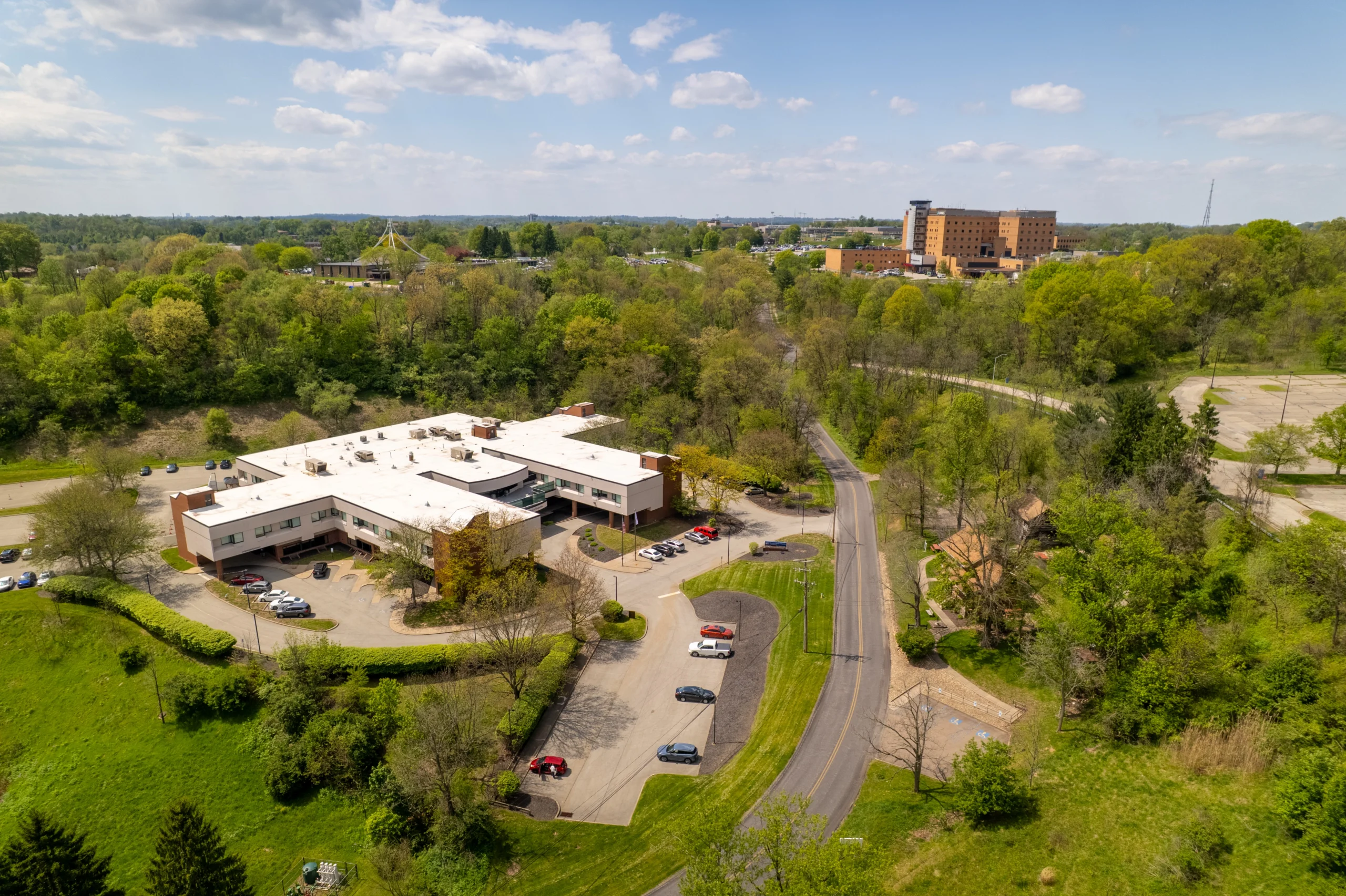
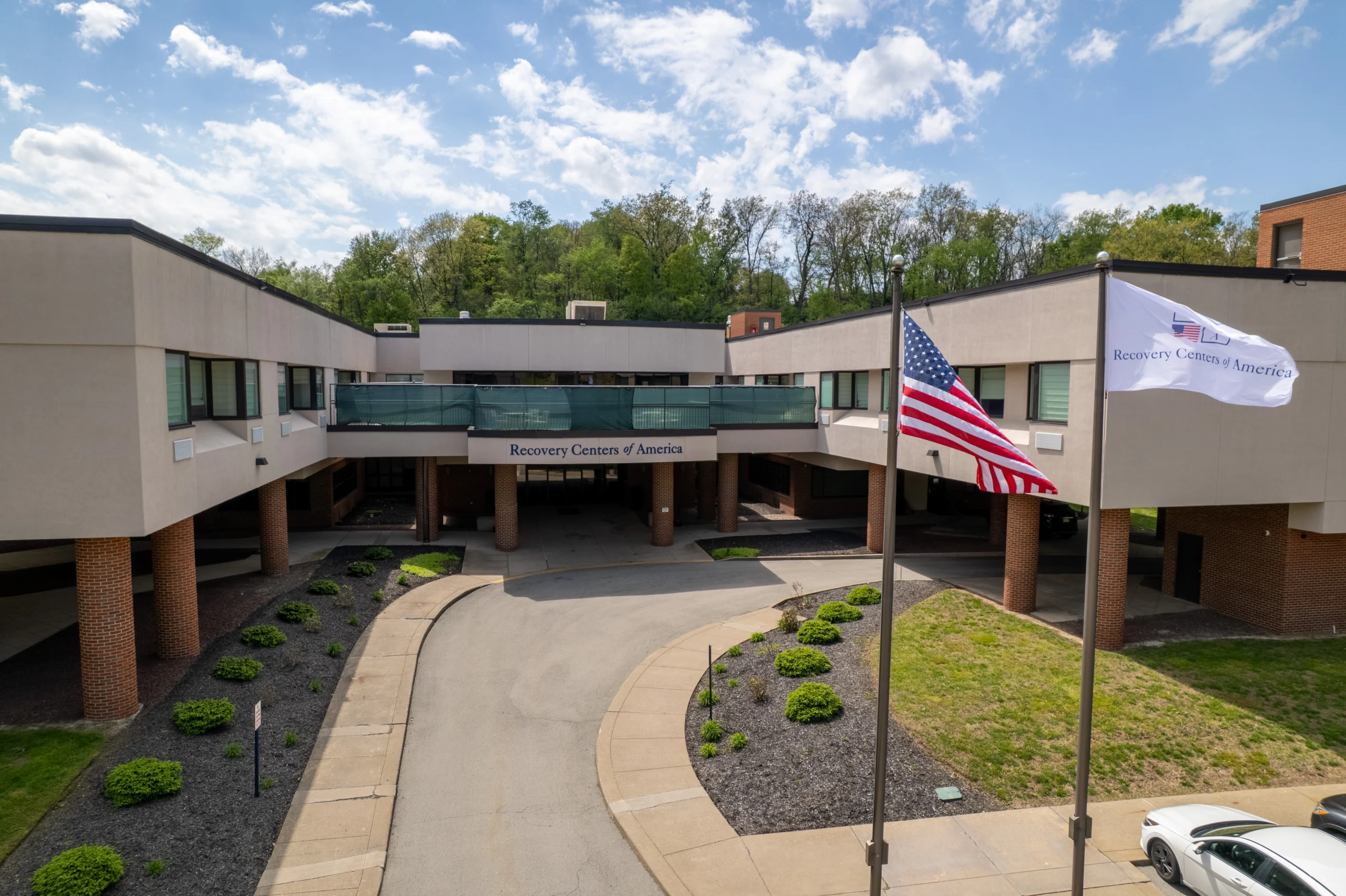
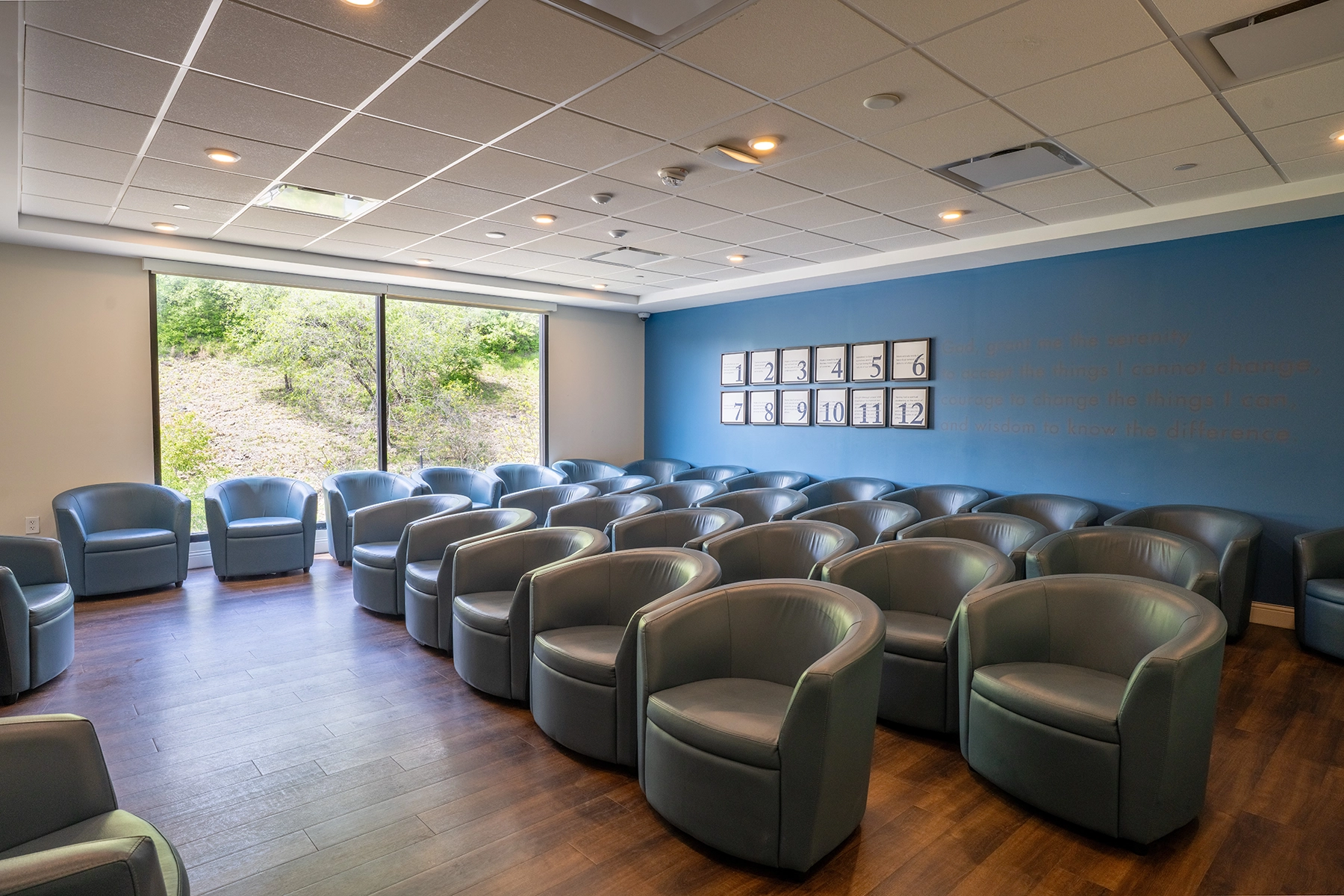
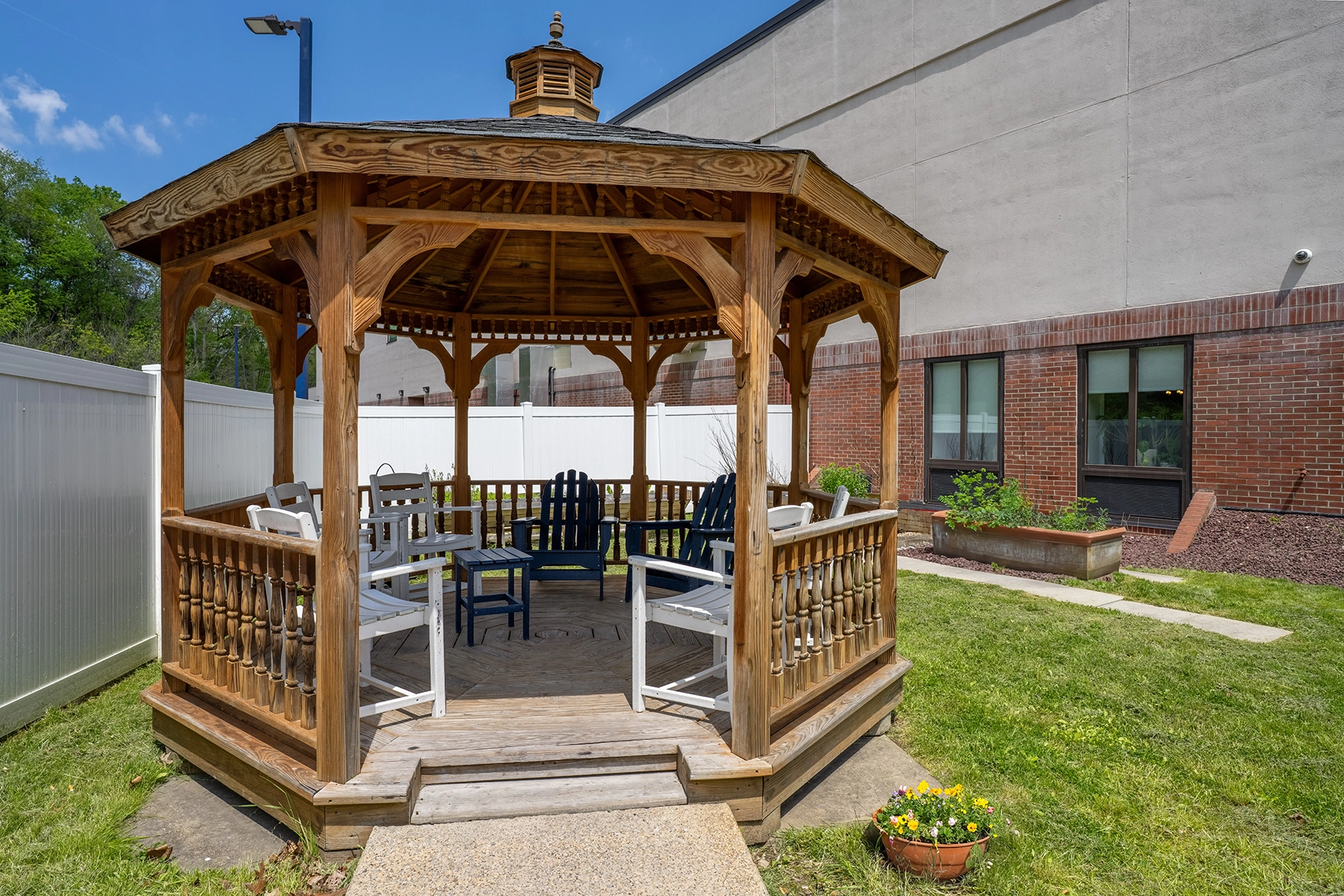
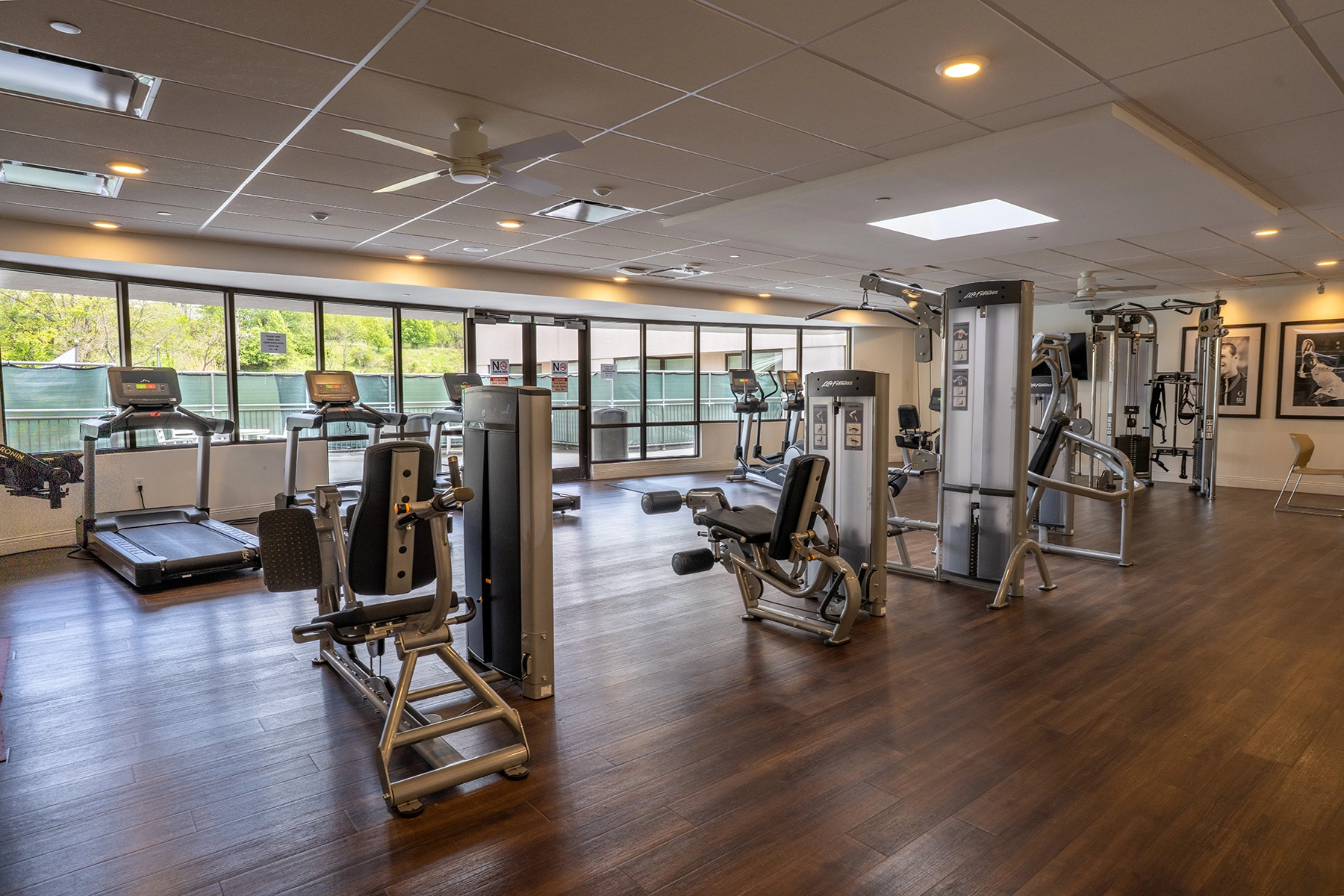
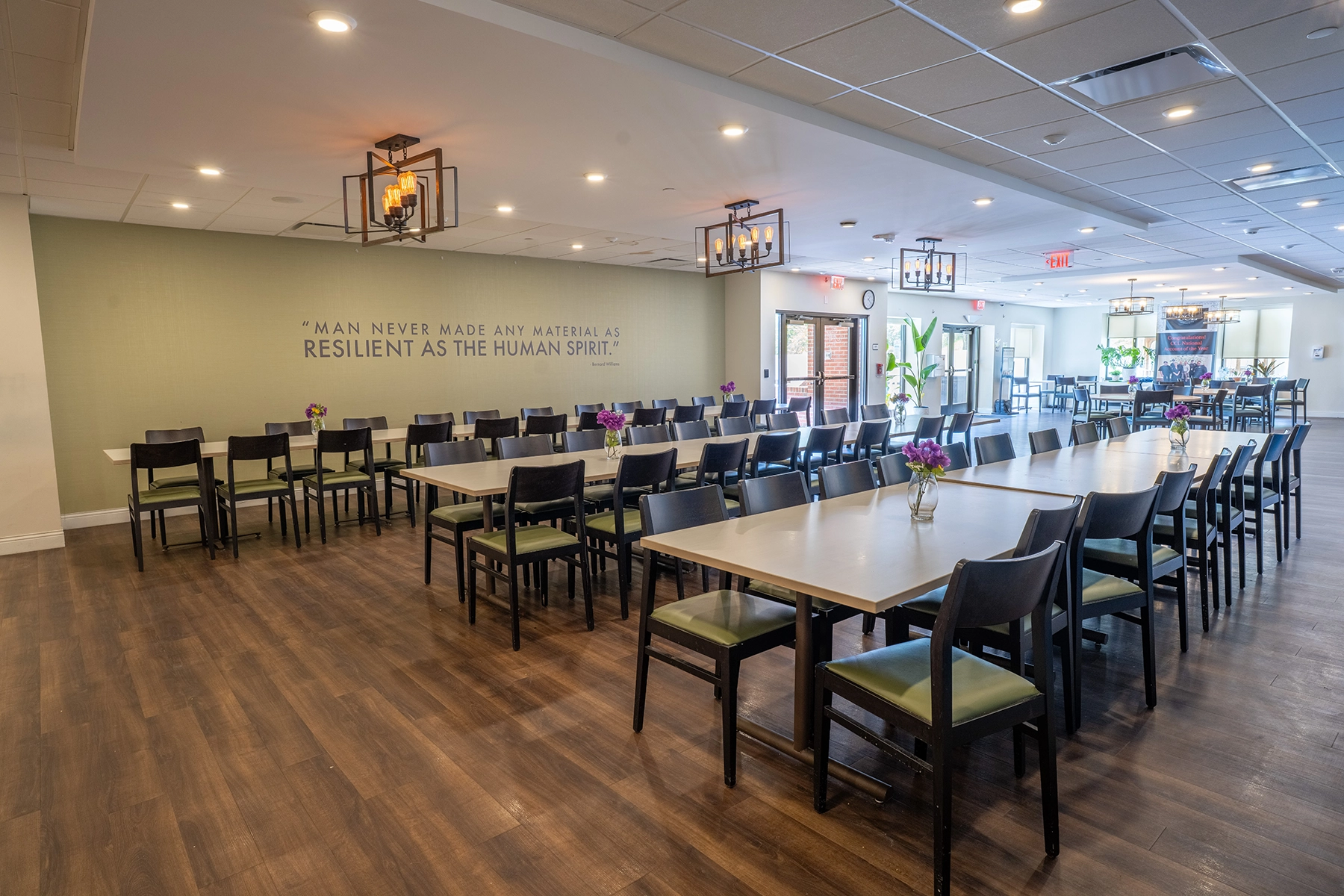
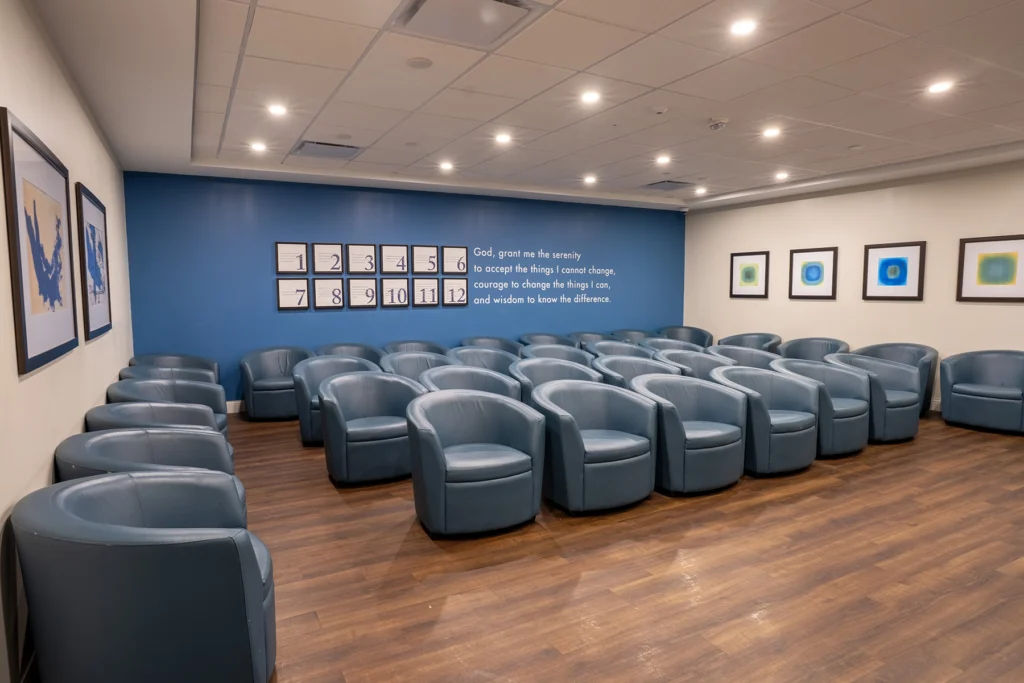
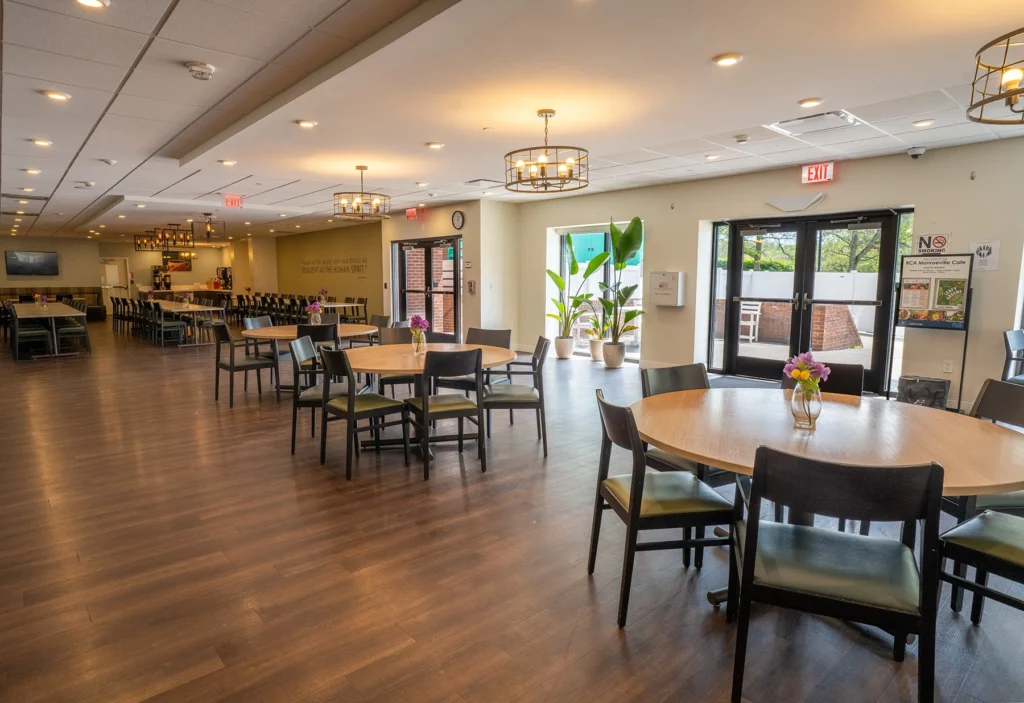
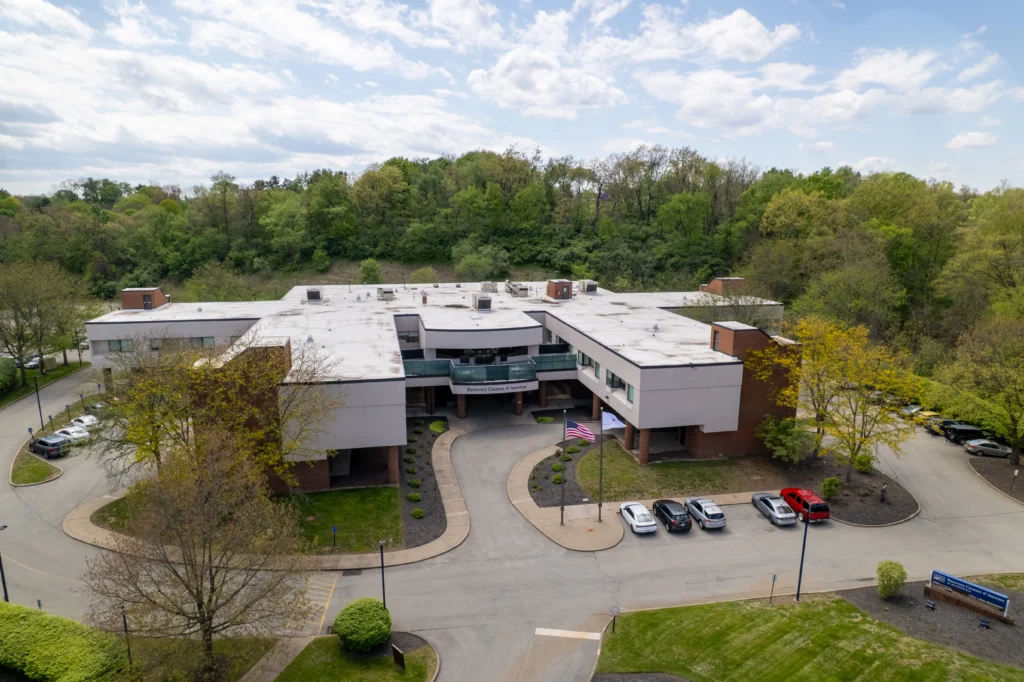
Inside our Facility in
Monroeville, Pennsylvania
Who Should Consider Treatment
Treatment is for anyone whose substance use or mental health is making life harder than it has to be — regardless of how long it’s been happening or how many times you’ve tried before. The right time to ask for help is when what you’re doing is no longer working, and when you’re ready for something different.
Research published in JAMA Psychiatry found that those who engage in structured treatment earlier have significantly better long-term outcomes than those who delay care until crisis point1.
For Substance Use & Addiction:
- Your alcohol or drug use that has become difficult or impossible to control
- You experience withdrawal symptoms when you try to stop or cut back
- Your relationships, work, or health are suffering because of substance use
- Prior attempts to stop on your own that haven’t stuck
- You’ve been in treatment before and relapsed
- You live with substance use and mental illness simultaneously
For Mental Health:
- You have depression, anxiety, bipolar disorder, schizophrenia, PTSD, or other diagnoses that significantly interfere with daily functioning
- Your symptoms have not stabilized with medication alone
- You’re experiencing a mental health crisis and requiring a safe, structured environment
- You have a mental health condition with no active substance use disorder
For Co-Occurring / Dual Diagnosis:
- You have both a substance use disorder and a mental health condition
- You have a history of treating each condition separately without lasting success
- You have difficulty functioning that can’t be fully explained by either diagnosis alone
If any of these resonate, our admissions team can help clarify if RCA at Monroeville makes the most sense for your situation.
Personalized Pathways:
Where You’ve Been Guides Your Path Forward
Your history, your diagnosis, and your life are uniquely yours, and your treatment plan should be too. That’s why RCA at Monroeville offers multiple treatment pathways.
Pathway 1 — Foundations of Recovery
For those experiencing treatment for the first time
If this is your first time seeking professional help, the unknown can be one of the biggest barriers to getting started. You work with a therapist, participate in groups, learn tools and resources to support you, and ultimately—build a foundation for long-term recovery.
Pathway 2 — Fresh Start
For those who have been in treatment before
If you’ve been in treatment before and relapsed, you did not fail. Relapse is a clinical reality of a chronic disease. Your history shapes your treatment plan, informs your relapse prevention work, and helps identify what needs to be different this time.
Pathway 3 — Balance
For those living with both addiction and mental illness
Co-occurring substance use and mental health conditions often present together, and they need to be treated as such. According to SAMHSA’s 2023 National Survey on Drug Use and Health, approximately 21.5 million adults in the United States had co-occurring mental illness and a substance use disorder in the past year2.
RCA at Monroeville’s dual diagnosis pathway, Balance, treats both conditions simultaneously with an integrated clinical team working from a single, unified treatment plan, overseen by a psychiatric provider.
Pathway 4 — Restore
For those seeking mental health treatment without an active substance use disorder
RCA at Monroeville offers voluntary inpatient residential treatment for adults experiencing primary mental health conditions, including depression, anxiety, bipolar disorder, schizophrenia, PTSD, and other diagnoses without an active substance use disorder.
How it Works
Asking for help takes tremendous courage, and you don’t need to figure it out now, or by yourself. Many of our staff have been right where you are today, which is why getting started is clear and pressure-free.
Phase 1:
Assessment and Admission
Connect with us any time, day or night. Call 1.800.RECOVERY or submit a secure online form. Our team will:
- Conduct an evaluation of your history and current circumstances
- Confirm your insurance benefits and clarify any out-of-pocket costs
- Determine the most appropriate level of care for your situation , including detox, inpatient residential, and outpatient (PHP or IOP)
- Establish your treatment schedule
Phase 2:
Active Treatment Begins
RCA programming includes:
- Evidence-based therapy: Cognitive Behavioral Therapy (CBT), Dialectical Behavior Therapy (DBT), Motivational Interviewing (MI), and trauma-informed care
- Personalized treatment pathways: Whether this is your first time in treatment or you have experienced multiple treatment episodes, have a dual diagnosis, or need help with a mental illness without an active addiction, there is a place for you here.
- Medication-Assisted Treatment (MAT), when clinically appropriate, FDA-approved medications like Suboxone®, Vivitrol®, methadone, acamprosate, and others are administered to help manage cravings and withdrawal.
- Holistic Support: Wellness-focused services like spiritual services, mindfulness, fitness, and nutrition guidance
- Family Support & Education: Loved ones are supported through family coaching that enhances communication, connection, and long-term recovery outcomes.
Phase 3:
Stepping Down and Continued Support
As your foundation strengthens, we guide your transition toward:
- Step-down levels of care
- Membership in RCA’s alumni network and recovery events
- Aftercare planning and resources including ongoing peer support connections
- Continued family education opportunities
- Support doesn’t end when treatment does. RCA stays in your corner for life.
A Full Continuum of Care,
from Detox Through Long-Term Recovery
The road to recovery and wellness is a process that sometimes requires different levels of clinical support. RCA at Monroeville’s complete continuum of care means you never have to start over somewhere new as your needs change.
Medical Detox
The first step for many with a substance use disorder
Recovery–focused sessions emphasizing skill-building, shared experiences, and mutual accountability with peers who understand what you’re facing.

Inpatient Residential Addiction Treatment
Immersive, intensive, 24/7 clinical support
Instead of living in the environment associated with your substance use, inpatient residential addiction treatment allows you to live in a structured, therapeutically designed setting where clinical support is available 24/7. Individual therapy, group therapy, psychiatric consultation, medication management, evidence-based programming, and peer connection fill your days with routine and purpose. Our medical, nursing, clinical, case management, and alumni team contributes to every part of your care from admission through discharge planning.

Inpatient Residential Mental Health Treatment
Structured, compassionate care for primary mental health conditions
If you’re experiencing significant mental health symptoms without an active substance use disorder, RCA at Monroeville’s residential mental health program provides a safe, structured environment for stabilization and treatment. Psychiatric evaluation, medication management, individual therapy, group programming, and coordinated discharge planning are integrated into a daily structure designed to help you stabilize, build skills for wellness, and transition to outpatient care.

Dual Diagnosis Treatment
Integrated care for co-occurring addiction and mental health conditions
Dual diagnosis treatment at RCA at Monroeville addresses substance use disorder and mental health simultaneously. With a single integrated care team and a unified treatment plan designed for the complexity of co-occurring diagnoses, our evidence-based therapies are delivered to address your addiction and mental health needs together.

Partial Hospitalization Program (PHP)
High-intensity care without an overnight stay
If you need significant clinical support but do not require 24-hour residential care, PHP is an outpatient level of care that provides structured daytime programming — approximately six hours per day, five days per week. PHP is the most common step-down from inpatient treatment and is also an appropriate starting point for some.

Intensive Outpatient Program (IOP)
Evidence-based treatment that fits around your life. Available in-person, hybrid, and virtually
IOP delivers evidence-based group and individual therapy at a frequency that allows most patients to maintain work, school, or family responsibilities. Sessions are typically three hours a day, three days per week, with day and evening times available to minimize conflict with personal commitments. Treatment plans are updated regularly as you progress.

General Outpatient Program
Ongoing support as you build long-term stability
If you are transitioning to greater independence in continued recovery, GOP provides structured weekly therapeutic support. RCA at Monroeville’s GOP is available in a hybrid format with sessions available 1-2x per week, 90 minutes per session.

Sober Living
Support between residential and independent living
If you are participating in outpatient treatment and need a structured place to live, RCA at Monroeville offers sober living accommodations. This allows you to practice recovery and coping skills in daily life while maintaining structure, accountability, and peer support during one of the most important phases of treatment.
No matter where you are in your journey, RCA at Monroeville has a level of care designed for exactly that moment. You don’t have to have it figured out now. We’ll figure it out together.
Comparing Treatment, Services, and
Levels of Care
Choosing the right treatment program depends on individual needs and circumstances. The table below outlines RCA’s various treatment approaches, services, and levels of care. Our specialists are available 24/7 to help you determine the best level of care to meet your needs.
| Approach | Description | Best For | Duration |
|---|---|---|---|
| Intervention | Structured, professionally led conversation designed to help someone accept addiction treatment. This process brings together family members and loved ones to express concern in a supportive, non-judgmental environment | People who are denying or minimizing their substance use, refusing treatment, or are struggling to seek help on their own | Typically, between 1–2 hours. Planning and preparation with a certified intervention professional (CIP) may take several days to a few weeks prior |
| Medical Detox | Safely ridding the body of substances with round-the-clock monitoring of vital signs by a specialized medical team | Patients using substances regularly in large amounts for an extended period, increasing the amounts of substances, or those with intense cravings | Varies per person but typically 3-7 days. |
| Inpatient Residential Rehabilitation | 24/7 residential care with intensive therapy and medical supervision | Individuals who need a higher level of support or a structured environment to focus fully on recovery, including those with co-occurring mental health conditions. | Typically, up to 30 or more days |
| Partial Hospitalization (PHP) | Intensive, structured treatment during the day without overnight stays | Those stepping down from inpatient treatment or those first starting their journey who need substantial support but with a stable living situation | Daily sessions for 5 to 6 hours, 5 days a week, lasting several weeks |
| Intensive Outpatient (IOP) | Regular therapy sessions (in-person, virtual, and hybrid options available at RCA) allowing individuals to maintain daily responsibilities | Those stepping down from inpatient treatment or those first starting their journey who need structured support with flexibility | 3 to 4 sessions per week, each lasting a few hours, over several months |
| Virtual Intensive Outpatient | Group therapy and individual counseling, from home via secure telehealth platform | Those discharging from detox or residential programs and continuing treatment, or those interested in just beginning sobriety | 3 to 4 sessions per week, each lasting a few hours, over several months |
| General Outpatient Programs (GOP) | Less intensive therapy sessions, often weekly | Individuals who have built a foundation in recovery and want continued support while returning to everyday life. | Varies. Often weekly sessions over several months |
| Medication-Assisted Treatment (MAT) | Combines medications with counseling and behavioral therapies | Individuals with opioid or alcohol use disorders | Varies. Can be long-term |
| Sober Living | Patients live onsite in RCA recovery housing while participating in RCA outpatient programming | Patients step down from RCA’s inpatient residential treatment to our outpatient programs in support of a smoother transition to independent living. | Varies based on personalized treatment plans. Can be several weeks to months. |
Blue-highlighted rows are offered at our Monroeville location.
Specialty Programs Available
at RCA at Monroeville
Medication-Assisted Treatment (MAT)
For opioid and alcohol use disorders, FDA-approved medications can significantly improve your chances of successful recovery.
For Opioid Use Disorder:
- Buprenorphine reduces cravings and withdrawal symptoms without producing the high associated with full opioid agonists. Available as daily films or tablets, or as weekly and monthly injections.
- Naltrexone (Vivitrol) blocks opioid receptors so that if you use opioids, you won’t feel their effects. Available as a monthly injection that removes the daily decision-making from the equation.
- Methadone is a synthetic opioid antagonist taken orally in liquid or pill form that helps reduce cravings and withdrawal symptoms.
For Alcohol Use Disorder:
- Naltrexone reduces cravings and diminishes the pleasurable effects of alcohol, making it easier to maintain abstinence or reduce consumption.
- Acamprosate helps stabilize brain chemistry disrupted by chronic alcohol use, reducing post-acute withdrawal symptoms.
- Disulfiram creates an unpleasant reaction if you drink alcohol, serving as a powerful deterrent for people highly motivated to remain abstinent.
Medication is a tool, not a crutch. Combined with therapy and support, MAT significantly improves outcomes for many people.

WorkFlex — Inpatient Treatment Without Putting Your Career or Education on Hold
The #1 reason people delay inpatient treatment is the fear of what they’ll lose while they’re in it. Work deadlines don’t pause. Bills need to get paid. Academic semesters don’t wait. The thought of stepping away from those obligations keeps working adults and students from getting help.
RCA’s WorkFlex program was built to remove that barrier. WorkFlex allows patients structured access to their phones and laptops for up to three hours per day so you can attend to essential work tasks or correspond with your school while receiving the full benefit of inpatient residential treatment.
FastTrack Admission from Emergency Care,
Without the Wait
When someone is ready for help, the window can be short. When a patient is coming directly from an ER, hospital, or urgent care, standard admissions process can cause delays that put recovery at risk. Research consistently shows that the likelihood of treatment engagement drops significantly with every hour between crisis contact and admission3.
RCA’s FastTrack program eliminates that delay. If you or a loved one has been seen in an ER, hospital, or urgent care for less than 12 hours and presents without major medical concerns, RCA can proceed directly to scheduling an inpatient addiction admission without requiring prior medical approval or additional clinical documentation.

Insurance Verification is Free and Confidential.
Verifying your coverage does not obligate you to enroll in treatment. If you have questions about coverage, cost, or financing options, our team is available 24/7 to walk you through every detail.
Life Inside
RCA at Monroeville
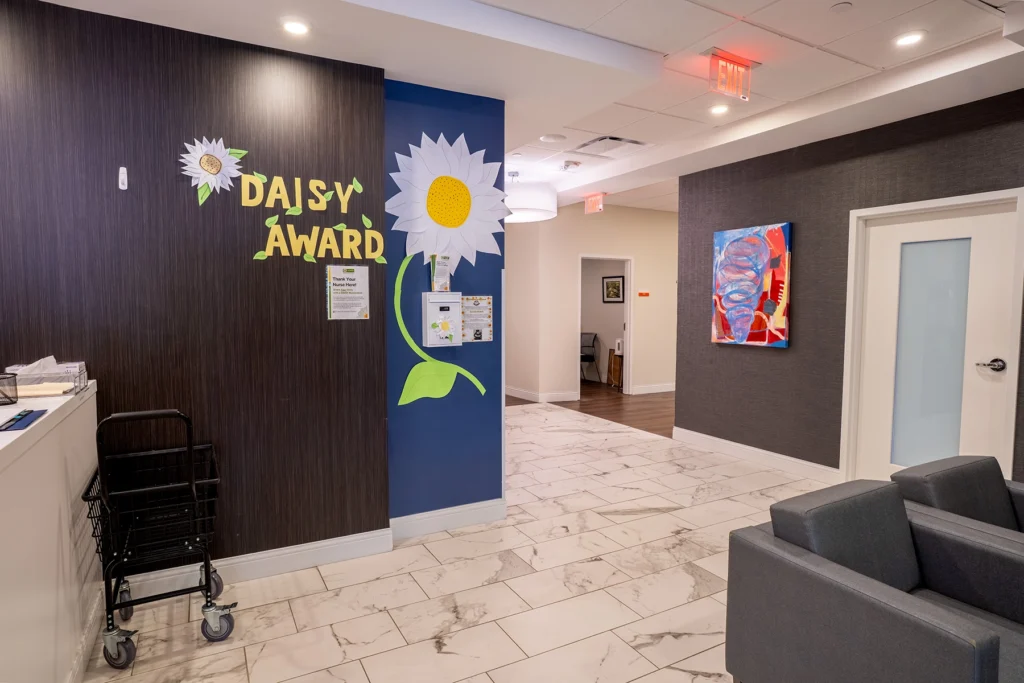
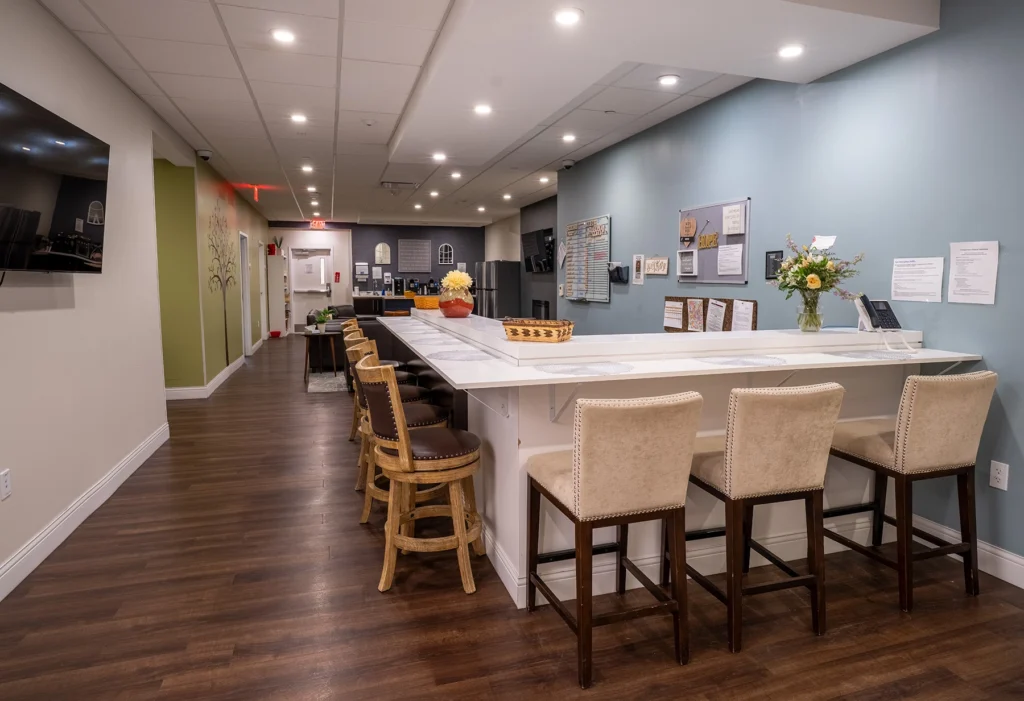
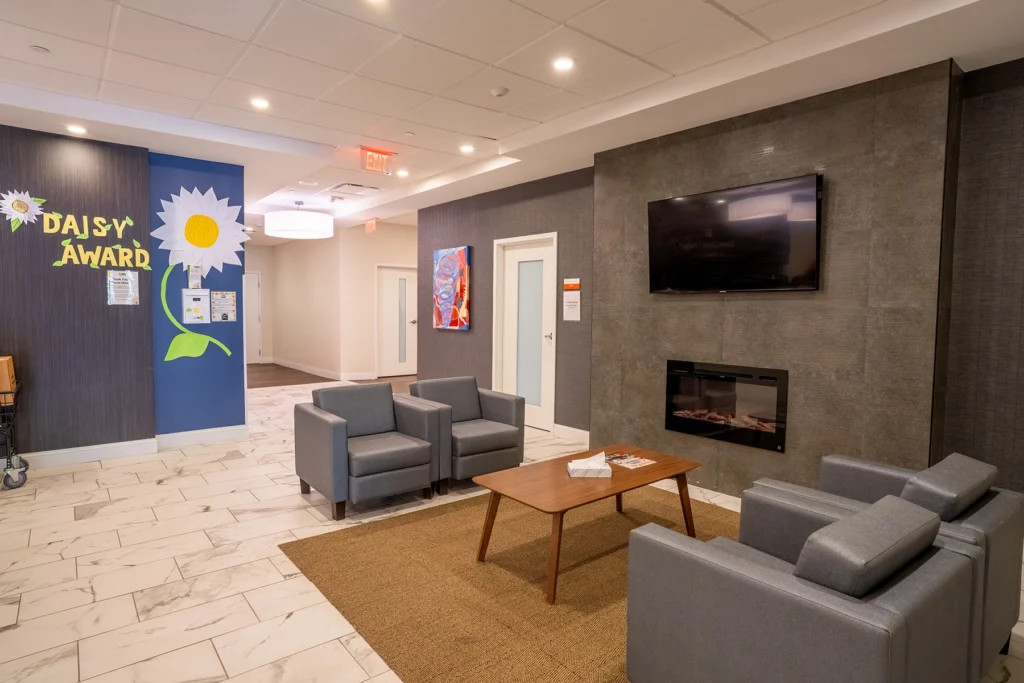
Your physical surroundings during treatment make a difference. You deserve an environment that feels safe, comfortable, and human. RCA at Monroeville was designed with your care at the top of mind:
- Semi-private rooms with en-suite bathrooms, full-size beds, and in-room televisions
- Dedicated spaces for therapy, education, and recreation
- Onsite fitness center, outdoor recreation areas, and resources to support spirituality, creative expression, and mindfulness
- Nutrition support with chef-prepared meals
- On-site laundry facilities
We also offer sober living for those in an outpatient program, creating a stable bridge between inpatient care and independent living.


Paying for Treatment
If paying for addiction treatment is the reason you are delaying treatment, we understand, and we want to remove that barrier entirely. Our admissions team will verify your benefits during your first call, so you know exactly what’s covered before you make any decisions.
Under the Mental Health Parity and Addiction Equity Act, most insurers are required to cover behavioral health treatment — including addiction and mental health services — at levels comparable to medical and surgical care. In most cases, insurance covers a substantial portion of outpatient treatment, and our team will work with you to maximize your benefits and minimize your out-of-pocket responsibility. If you do have out-of-pocket costs, RCA offers interest-free payment plans.
Insurance verification is free, confidential, and verifying your coverage does not obligate you to enroll in treatment.
Why Choose
Recovery Centers of America
Recovery Centers of America has treated nearly 100,000 individuals, all in pursuit of our mission: saving one million lives impacted by addiction and mental health disorders, one person at a time.
- Recognized by Newsweek as America’s Best Addiction Treatment Centers for multiple consecutive years
- Personalized treatment pathways tailored to your recovery stage , including first-time in treatment, care after relapse, and dual diagnosis treatment
- Full continuum of care under one roof
- Compassionate, science-backed modalities
- Measurement-driven care
- Family-inclusive services that address addiction’s ripple effects, including interventions, support groups, and webinars
- 24/7 admission support, weekends and holidays included
- Transportation assistance offered
- 4.5/5 Patient Satisfaction
Many of our team members have stood where you stand now. We understand recovery personally, and we’ve witnessed patients, families, and communities transform through proper treatment and ongoing support.
2000+ 5-Star Google Reviews
Real stories from patients and families reflect the care, compassion, and support people experience across Recovery Centers of America.

“RCA is an extremely professional, loving and caring place for anyone trying to survive life with substance abuse issues. They provide the tools and education to live life happy, joyous and free. I highly recommend RCA. My experience has absolutely changed my life.”
- Mark P
“RCA takes service to the next level. Their continuum of care is outstanding, and their commitment to recovery extends well beyond treatment through an incredible alumni program that keeps people connected, supported, and engaged. They don’t just help people get sober—they help them build a life in recovery while strengthening the communities they serve.”
- Stephanie F.
“RCA saved my life. The staff is phenomenal and goes above and beyond what you would expect in a treatment facility. The environment and fellow patients make everything about the inpatient experience much less stressful. The alumni services provided after discharge are also phenomenal. I would highly recommend RCA to anyone struggling with addiction.”
- Michael B.
“From upper management and coordinators to group facilitators, RSSs, the nursing staff, and my absolutely incredible therapist—RCA has truly changed my life. I’m deeply grateful to each of you.”
- Brandon H.
RCA at Monroeville proudly serves the Greater Pittsburgh Area including Murrysville, Penn Hills, Plum Borough, Forest Hills, Edgewood, Swissvale, and others.
Frequently Asked Questions
What should I bring to inpatient treatment?
Bring:
- Comfortable clothes for 7–10 days
- Alcohol-free toiletries
- Prescriptions in original containers
- Insurance card and ID
- If you smoke or vape, please be sure to only bring new, unopened cigarette packs or vape cartridges
Avoid:
- Alcohol-based items
- Unauthorized medications
- Valuables and devices with internet access
How long does treatment last?
Everyone’s journey is different, so your treatment plan—and how long it lasts—is tailored to your unique needs and goals. Typically:
- Detox: 5–10 days
- Inpatient Rehab: 7–21 days or longer, based on need
- Partial Care: 2–4 weeks
- IOP: 6–8 weeks
Does RCA at Monroeville accept insurance?
Yes. We are in-network with most major Pennsylvania insurers including Aetna, Ambetter, Amerihealth, Carrum Health, Ciga/Evernorth, ComPsych, First Choice Health Network (FCHN), Geisinger Health Plan, Highmark Blue Cross Blue Shield, UPMC, and more. We also assist with insurance verification and admissions 24/7.
Can I work or go to school while in inpatient treatment?
Through RCA’s WorkFlex program, inpatient addiction patients at RCA at Monroeville have access to their devices for up to three hours daily to manage work or academic tasks.
Sources
¹ Samples, H., Karge, P., & Saloner, B. (2022). Specialty substance use disorder treatment initiation and engagement among adults with unmet need. JAMA Psychiatry, 79(9), 886–895. https://doi.org/10.1001/jamapsychiatry.2022.2060
2Substance Abuse and Mental Health Services Administration. (2024). Key substance use and mental health indicators in the United States: Results from the 2023 National Survey on Drug Use and Health. HHS Publication No. PEP24-07-021. https://www.samhsa.gov/data/report/2023-nsduh-annual-national-report
3Brinkmann, C., Gerber, L., & Moggi, F. (2021). Time to treatment entry and its association with treatment outcomes in patients with substance use disorders. Journal of Substance Abuse Treatment, 124, 108271. https://doi.org/10.1016/j.jsat.2021.108271
To request an annual report, please send an annual report request to compliance@recoverycoa.com