






What is 7-OH?
Key Takeaway: 7-OH (7-hydroxymitragynine) is an opioid-active compound found in trace levels in the kratom plant and concentrated to much higher levels in many products sold today.
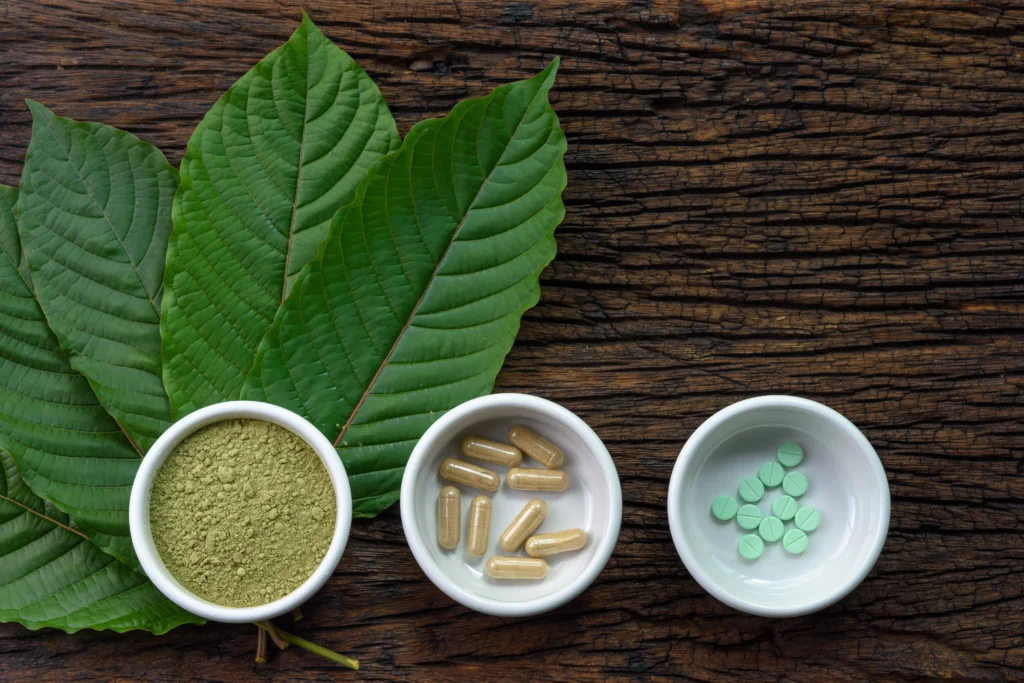
7-OH is short for 7-hydroxymitragynine, one of the active compounds in kratom, the Southeast Asian plant also known as Mitragyna speciosa. In the raw leaf, it shows up only in tiny amounts. The main compound in kratom leaf is mitragynine, and the body turns a small share of that mitragynine into 7-OH after use. 7-OH is far stronger than mitragynine at the brain’s opioid receptors, the same ones that respond to drugs like morphine and oxycodone.
That strength is why concentrated 7-OH has spread so fast. Manufacturers isolate this one compound and press it into products that hit far harder than the plain leaf. Reported 7-hydroxymitragynine effects include:
- Pain relief
- A warm sense of calm
- Mild euphoria
- Drowsiness at higher amounts
Those effects, though, come bundled with the classic downsides of any opioid:
- Rising tolerance
- Physical dependence
- Withdrawal once the drug wears off
Some people reach for 7-OH to self-treat pain, anxiety, or opioid withdrawal, but it can deepen the problems they hoped to ease because it behaves like an opioid.
So, 7-OH and kratom share a plant of origin, but a concentrated 7-OH tablet is entirely different from a cup of traditional kratom tea.
How concentrated 7-OH is sold and how to spot it
Key Takeaway: Concentrated 7-OH is sold as tablets, shots, gummies, and dissolvable strips at gas stations, smoke shops, and online, usually branded “7-OH” or “7”.
You will rarely see concentrated 7-OH sold as loose leaf or powder. It comes packaged like a consumer product: tablets, capsules, shot-style drink bottles, gummies, powders, and thin dissolvable strips, often in bright wrappers with candy-style flavors. Many are marketed with words that suggest a clean or premium product, which can make a dangerous substance feel harmless.
These products turn up at gas stations, vape and smoke shops, corner stores, and a wide range of websites. Some news coverage calls them “gas station heroin”, a nickname pointing to where they sell and how potent they are.
Spotting one of these products is easier once you know what to read. Check the label for “7-OH”, “7OH”, or the full word “7-hydroxymitragynine”, and look for a milligram amount listed per tablet, gummy, or serving. A product that advertises a specific 7-OH milligram dose is concentrated by design, and it’s not a simple botanical.
How concentrated 7-OH differs from natural-leaf kratom
Key Takeaway: Natural kratom leaf contains only trace 7-OH, while concentrated and enhanced products can contain many times more, which is exactly what a proposed federal threshold aims to capture.
In the kratom plant, 7-hydroxymitragynine makes up only a very small fraction of the total alkaloids, often just trace amounts. A person drinking traditional kratom tea is taking in mostly mitragynine, with barely any 7-OH. Concentrated and enhanced products deliberately flip that ratio, delivering doses of 7-OH the leaf could never produce on its own. The leaf holds so little 7-OH that these products are usually made by chemically converting its main compound, mitragynine, into 7-OH. The result is potent, and doses vary wildly. Single servings on the market have ranged from about 1mg to 700mg of 7-OH, according to the DEA.
Federal regulators have proposed drawing a clear line between the two. Under the proposed threshold, natural kratom leaf containing more than 0.05% 7-hydroxymitragynine by dry weight would fall above the line. For extracts, concentrates, gummies, tablets, shots, and other processed products, the proposed threshold is more than 0.05% 7-OH, or more than 1mg of 7-OH in the finished product. In plain terms, the proposal targets high-concentration 7-hydroxymitragynine rather than ordinary kratom leaf.
| Feature | Natural-leaf kratom | Concentrated/enhanced 7-OH |
|---|---|---|
| Common form | Loose powder, capsules, brewed tea | Tablets, shots, gummies, dissolvable strips |
| 7-OH content | Trace, naturally occurring | Elevated by isolation or processing |
| Main active compound | Mitragynine | 7-hydroxymitragynine |
| Dependence and withdrawal risk | Present, opioid-like | Present and often greater with higher potency |
| Proposed federal threshold | Above 0.05% by dry weight | Above 0.05%, or more than 1mg per product |
Signs of 7-OH dependence and addiction
Key Takeaway: 7-OH acts on opioid receptors, so regular use can lead to tolerance and dependence, and 7-OH addiction can take hold before a person recognizes it.
Dependence on 7-OH tends to build subtly. The first sign is usually tolerance. The same tablet or shot stops doing what it used to, so the amount creeps up. Not long after, people often notice they feel sick, anxious, or achy when they go too long without it, and they take another dose mainly to head that feeling off.
Other signs point in the same direction. You might see repeated attempts to cut back that do not stick or 7-OH use that’s longer and heavier than the person planned. Daily routines start to shift around dosing, whether that means keeping a supply on hand at all times or budgeting more and more money for it. Use continues even after it causes problems at home, at work, or with health.
Higher-potency products can accelerate the development of 7-OH addiction, since each dose delivers more of the compound the brain adapts to. None of these signs alone proves a problem, but several together are a signal worth taking seriously, and a reason to talk with a professional rather than wait it out.
The FDA urges consumers to avoid these novel potent opioid products, warning that they have not been proven safe or effective and are not FDA-approved. Among the harmful effects the agency has linked to 7-OH products are:
- Addiction
- Withdrawal symptoms
- Anxiety
- Depression
- Insomnia
- Seizures
Its scientific review also found that, in preclinical studies, 7-OH triggers respiratory depression at triple the rate of morphine, which helps explain why these concentrated products carry opioid-like risks.
7-OH withdrawal symptoms and when to get help
Key Takeaway: 7-OH withdrawal closely resembles opioid withdrawal, and its intensity varies widely from one person to the next.
When someone who is dependent on 7-OH stops or cuts back sharply, withdrawal tends to follow. Common 7-OH withdrawal symptoms include:
- Anxiety and restlessness
- Muscle aches
- Sweating
- Chills
- A runny nose
- Watery eyes
- Stomach cramps
- Nausea
- Diarrhea
- Trouble sleeping
- Intense cravings
Many people describe it as a bad flu layered on top of a low, irritable mood.
The intensity of 7-OH withdrawal varies from person to person. It depends on how much someone was using and for how long, their overall physical and mental health, and whether other substances are involved. That variability is why a set timeline or a universal plan does not fit this drug well.
Professional assessment is worth seeking when use has been heavy or long-term, when past attempts to quit produced challenging symptoms, or when someone is using 7-OH alongside alcohol, benzodiazepines, or opioids. A medically supervised detox can make the process safer and more comfortable than going it alone.
How Recovery Centers of America approaches 7-OH treatment
Key Takeaway: Treatment at RCA begins with a comprehensive assessment that evaluates each person’s medical history, mental health, substance use, and recovery goals. This helps our clinical team create an individualized treatment plan based on each patient’s unique needs.
There is no single approach to treating 7-OH, and anyone promising one before they know your situation should give you pause. Finding 7-OH addiction help at Recovery Centers of America starts with a confidential admissions conversation. Our team asks about your use, your physical and mental health, and anything else going on, then verifies your insurance so cost is clear from the start.
From there, a clinical assessment guides what follows. For some people, care may include a period of medically supervised detox to manage withdrawal safely. For others, medication-assisted treatment may be appropriate as part of the plan. Which options fit, and at what level of care, is decided together based on that assessment.
Availability of specific programs varies by location, so the admissions conversation is also where we confirm what each nearby facility can offer. You can verify your insurance, explore our locations, or learn about the admissions process whenever you are ready. The point of that first call is simple: to match you with the most appropriate care for your needs and situation.
Guidance for families and loved ones
Key Takeaway: If someone you love is using concentrated 7-OH, you can help most by keeping calm, staying informed, and steering them toward professional support.
Watching a family member start relying on 7-OH is frightening, especially when the products look so ordinary. Start by learning what you can, so a conversation comes from a place of understanding. When you talk, lead with calm concern for the person, avoiding blame. Shame often pushes people further into hiding, while steady support keeps the door wide open.
Resist the urge to manage a detox at home or to demand an abrupt stop. Opioid-style withdrawal can be miserable and, when other substances are involved, genuinely risky. This is why a professional assessment is invaluable. You can offer to help make the call, sit in on it, and arrange a ride to an appointment.
Look after yourself, too. Supporting someone through 7-OH dependence is draining, and you cannot pour from an empty cup. RCA’s interventions and family services exist to give loved ones education and support of their own. That support is available to you.
7-OH legal status
As of July 1, 2026, the DEA has published a Notice of Intent to temporarily place 7-hydroxymitragynine above a specified threshold into Schedule I. This is not a fixed order, and it is not a ban on natural kratom. The earliest a temporary scheduling order could take effect is August 5, 2026, and nothing is federally prohibited until an order is published in the Federal Register with an effective date. Several states restrict 7-OH separately under their own laws.
For the full breakdown of what changed, what it covers, and what to do, see our 7-OH scheduling explainer and FAQ.
Frequently asked questions
What is 7-OH?
7-OH, or 7-hydroxymitragynine, is a potent, opioid-like compound found in trace amounts in the kratom plant and concentrated to much higher levels in many tablets, shots, and gummies sold today.
Is 7-OH the same as kratom?
No. 7-OH comes from the kratom plant but concentrated 7-OH products contain far more of this single compound than the natural leaf ever would, which makes them stronger and riskier.
Can 7-OH cause dependence or withdrawal?
Yes. 7-OH acts on opioid receptors, so regular use can lead to tolerance, dependence, and opioid-like withdrawal when someone cuts back or stops.
Is 7-OH illegal?
Not at the federal level as of July 29, 2026. The DEA has published a Notice of Intent to schedule 7-OH above a proposed threshold, with the earliest possible effective date of August 5, 2026. Some states already restrict it. See our scheduling explainer for the current status.
Where can someone get help for 7-OH?
RCA’s admissions team is available 24/7 to talk through what is happening, verify insurance, and recommend the appropriate next step. Call 1.800.RECOVERY.
Does insurance cover 7-OH treatment?
Most health plans cover substance use disorder treatment, and RCA is in-network with many major insurers. A free insurance verification confirms your coverage before you commit to anything.
Get help for 7-OH today
We’re here for you 24/7. Contact RCA for immediate assistance in overcoming 7-OH use.
Related guides
Sources
- DEA (United States Drug Enforcement Administration) – Press release: DEA to Temporarily Schedule 7-OH and Related Substances to Protect Public Safety (July 1, 2026).
- Federal Register – Schedules of Controlled Substances: Temporary Placement of 7-Hydroxymitragynine Above a Specified Threshold in Schedule I (July 6, 2026).
- FDA (U.S. Food and Drug Enforcement Administration) – Consumer Update: Products Containing 7-OH Can Cause Serious Harm
- FDA (U.S. Food and Drug Enforcement Administration) – 7-Hydroxymitragynine (7-OH): An Assessment of the Scientific Data and Toxicological Concerns Around an Emerging Opioid Threat