
Drug & Alcohol Rehab on Boston's North Shore
RCA at Danvers offers medical detox, inpatient rehab, outpatient treatment, Extended Day Treatment, and Day Treatment. Admissions support is available 24/7; dedicated Section 35 beds are available, and most major insurance plans, including MassHealth Medicaid plans, are accepted.






Drug and Alcohol Treatment on the North Shore. Built for the Moment You’re Ready.
Whether it took days or years to get here, the moment you decide to get help, you deserve a place that delivers care built around you—care that is compassionate, clinically rigorous, and designed for lasting recovery.
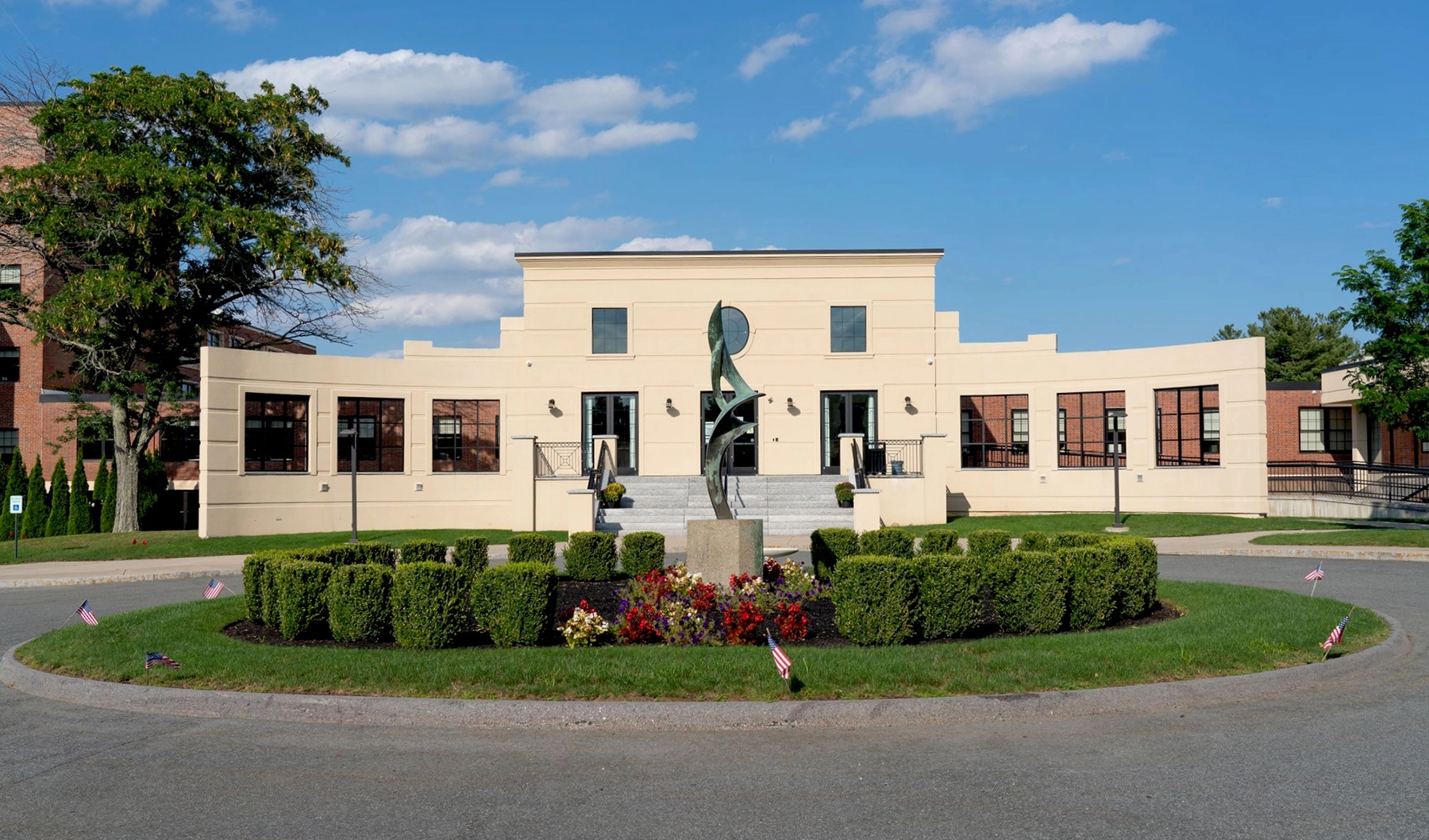
RCA at Danvers serves Boston’s North Shore from a campus approximately 45 minutes from Boston and five miles from Salem. The Joint Commission-accredited facility offers 239 beds, including 58 reserved for Section 35, and addiction treatment spanning medical detox, inpatient care, Extended Day Treatment, and Day Treatment. Co-occurring mental health needs are addressed alongside addiction treatment. Case management, family services, and RCA’s alumni association provide support throughout treatment and beyond.
-
 Written by: Alexandra Talarico
 -
 Clinically Reviewed by: Pete Vernig
 -
 Compliance Reviewed by: Marianne Birmingham
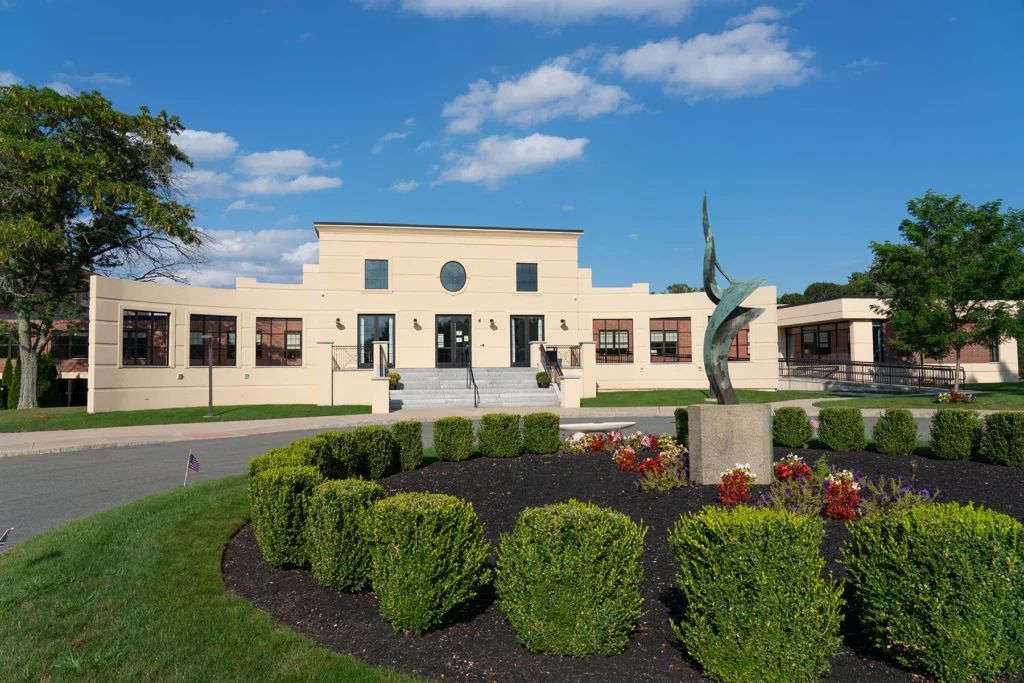
Inside our Facility in Danvers, Massachusetts









Is RCA at Danvers Right for You?
RCA at Danvers treats adults from Salem, Peabody, Beverly, Lynn, Gloucester, Lawrence, and the surrounding North Shore and Merrimack Valley towns, as well as patients who travel in from greater Boston. We offer virtual outpatient services to adults in the state of Massachusetts.
You may be a fit if:
- You have tried to stop using alcohol or drugs but have not been able to do so on your own
- You get sick, shaky, or panicked when you try to stop
- Your family, employer, or doctors have concerns about your substance use
- You have been through treatment before and are experiencing relapse
A long-term study of people seeking help for alcohol use disorder found that those who received help sooner were more likely to achieve remission and less likely to relapse [1].

Personalized Pathways:at RCA at Danvers
Two people can share a diagnosis but may have nothing in common clinically. Your recovery is deeply personal, and your treatment plan should be too. That’s why RCA at Danvers has distinct care pathways:
Pathway 1 – Foundations of Recovery
For those experiencing treatment for the first time
Everything is unfamiliar, so we provide a supportive and educational environment. You’ll learn about the disease of addiction and develop a foundation for long-term recovery.
Pathway 2 – Fresh Start
For people who have been treated before and returned to substance use
Relapse is part of how chronic illness behaves. Your earlier attempts are examined closely for what worked, what did not, and what must change this time for lasting recovery.
Pathway 3 – Balance
For individuals experiencing both addiction and mental illness
One team, one plan, one psychiatric provider overseeing both conditions. Data from SAMHSA’s 2024 National Survey on Drug Use and Health show that 21.2 million U.S. adults had a co-occurring substance use disorder and mental health condition in the past year [2].
How to Get Started
Asking for help is one of the bravest things a person can do, and you don’t need to figure this out alone. Many of our staff have been at this exact moment, which is why we’ve built a clear, simple path forward.
No pressure. No commitment. Just answers.
Phase 1:
Assessment and Admission
Connect with us any time, day or night, by phone or through our secure online form. Our team will:
- Conduct an evaluation of your substance use history and current circumstances
- Confirm your insurance benefits and clarify any out-of-pocket costs
- Determine the most appropriate level of care for your situation
- Explain the recommended level of care, available scheduling options, and next steps
Same-day in-person admission* is available when the situation calls for it. We walk beside you through every step.
Phase 2:
Active Treatment Begins
Your programming includes:
- Individualized treatment planning addressing the whole person
- Evidence-based group and individual therapy
- MAT if clinically appropriate
- Dedicated case management coordinating aftercare
- Skill-building workshops covering relapse prevention and daily life management
- Holistic support
- Family programming and educational resources
Phase 3:
Stepping Down and Continued Support
As your foundation strengthens, we guide your transition toward:
- The next appropriate level of care if applicable
- Membership in RCA’s alumni network and recovery events
- Ongoing peer support connections
- Continued family education opportunities
Recovery doesn’t end when treatment does. RCA stays in your corner for the long haul.
*Patients coming straight from a hospital, emergency department, or urgent care may qualify for FastTrack, which lets us schedule an inpatient addiction admission without waiting on extra medical paperwork. This is invaluable when the person who agreed to go might not still agree the next day.
A Complete Continuum of Care
RCA at Danvers provides a full continuum of addiction treatment.
Medical Detox
Begin your recovery safely
Withdrawal from alcohol and benzodiazepines can become medically dangerous. Opioid withdrawal can cause severe symptoms and cravings that make it difficult to stop without medical support. Detox at RCA at Danvers means around-the-clock nursing, vital sign monitoring, and medication to blunt the worst of it. Most patients spend 3 to 7 days detoxing. Detox clears your body but does not treat the reasons you were using substances, which is why planning for the next step starts the day you arrive.

Inpatient Addiction Treatment
Intensive, immersive, 24-hour clinical support
During inpatient addiction treatment, you live on campus and receive 24-hour clinical stabilization and support. The length of treatment depends on your needs and progress. Your days involve group work, individual therapy, fitness and nutrition, and if applicable, psychiatric consultation and medication management. Nights are structured with meetings and activities. Removing you from the environment that supported your substance use is an important part of treatment. Most patients step down to Extended Day Treatment when they finish.

Extended Day Treatment
A high level of outpatient addiction treatment
Extended Day Treatment, often referred to as a partial hospitalization program (PHP) in other states, is the most structured level of addiction care without overnight stays. You attend 6 hours a day, 5 days a week, for several weeks depending on your progress. You return home each day after sessions end. It suits people who need intense clinical support but have a stable, sober place to live. Extended Day Treatment is available in person only. The next step down in care is Day Treatment.

Day Treatment
Flexible outpatient addiction treatment available in person, virtually, or through a hybrid format
Day Treatment, often referred to as intensive outpatient program (IOP) in other states, includes 3 to 4 sessions a week, 4 hours each, running across several months depending on your progress. Group therapy is a central part of the program, supported by individual sessions and medication management when clinically appropriate. Day and evening schedules exist so you can fulfill daily responsibilities like work, school, or childcare. Day Treatment is available in-person, fully virtual, or as a mix of both.
Medication-Assisted Treatment (MAT)
Medication does not replace therapy at RCA at Danvers. It makes therapy possible for people whose cravings would otherwise drown out everything else. Evaluation and prescribing happen on site, and every medication below is used only when clinically appropriate for your history and health.
For Opioid Use Disorder:
- Buprenorphine – Reduces withdrawal symptoms and cravings without triggering a euphoric high. Subutex and Suboxone in film or tablet form, Sublocade as a monthly injection, and Brixadi as a weekly or monthly injection.
- Naltrexone – An opioid antagonist that blocks opioid receptors, so opioids produce no effect. Oral tablets or injectable naltrexone (Vivitrol)
- Methadone – A full opioid agonist that occupies the same receptors as opioids, reducing cravings and withdrawal symptoms
For Alcohol Use Disorder:
- Naltrexone – Dulls the reward delivered by drinking and reduces cravings. Oral and injectable forms
- Acamprosate – Helps settle brain chemistry after long-term drinking. Branded tablets (Campral)
- Disulfiram – Also known as Antabuse, acts as a hard deterrent to drinking by producing an unpleasant reaction if alcohol is consumed

Therapies, Clinical Services, and Specialty Programs
Clinical care at RCA at Danvers includes cognitive behavioral therapy (CBT), dialectical behavior therapy (DBT), motivational interviewing (MI), trauma-informed care, and 12-Step programming. You get individual therapy with an assigned clinician, daily group work, psychiatric support, and a case manager who helps support your aftercare.
Family support services run alongside treatment. We offer support groups and webinars to teach the people closest to you how to support your recovery. With your consent, family can visit during inpatient as well.
Pregnant women are accepted, with care coordinated around the pregnancy. FastTrack Admission is open to patients arriving from emergency or hospital care. RCA at Danvers reserves 58 inpatient beds for Massachusetts General Law Chapter 123, Section 35.

Virtual & Hybrid Day Treatment at RCA at Danvers
Not sure if you need daily in-person support or something that fits around work, school, or family? RCA at Danvers offers Day Treatment in the format that works for your life — in-person, fully virtual, or a hybrid of both — without compromising the quality of care or continuity of your treatment team. Day Treatment, often called an intensive outpatient program (IOP) in other states, may be a step down from a higher level of care or the appropriate place to begin treatment. Our admissions team will help you determine the right level of care for where you are right now.
Day Treatment Schedule:
- 3–5 days per week
- Day track: 9:30 AM – 1:30 PM
- Evening track: 5:00 PM – 8:30 PM
- Each session includes group therapy, individual sessions, and family guidance
Virtual and hybrid Day Treatment through RCA at Danvers is available to patients who live in Massachusetts. No matter the format, you work with the same clinicians and follow the same clinical curriculum.

Comparing Treatment, Services, and Levels of Care
Choosing the right treatment program depends on individual needs and circumstances. The table below outlines RCA’s various treatment approaches, services, and levels of care. Our specialists are available 24/7 to help you determine the best level of care to meet your needs.
| Approach | Description | Best For | Duration |
|---|---|---|---|
| Intervention | Structured, professionally led conversation designed to help someone accept addiction treatment. This process brings together family members and loved ones to express concern in a supportive, non-judgmental environment | People who are denying or minimizing their substance use, refusing treatment, or are struggling to seek help on their own | Typically, between 1–2 hours. Planning and preparation with a certified intervention professional (CIP) may take several days to a few weeks prior |
| Medical Detox | Safely ridding the body of substances with round-the-clock monitoring of vital signs by a specialized medical team | Patients using substances regularly in large amounts for an extended period, increasing the amounts of substances, or those with intense cravings | Varies per person but typically 3-7 days. |
| Inpatient Residential Rehabilitation | 24/7 residential care with intensive therapy and medical supervision | Individuals who need a higher level of support or a structured environment to focus fully on recovery, including those with co-occurring mental health conditions. | Typically, up to 30 or more days |
| Partial Hospitalization (PHP)* | Intensive, structured treatment during the day without overnight stays | Those stepping down from inpatient treatment or those first starting their journey who need substantial support but with a stable living situation | Daily sessions for 5 to 6 hours, 5 days a week, lasting several weeks |
| Intensive Outpatient (IOP)** | Regular therapy sessions (in-person, virtual, and hybrid options available at RCA) allowing individuals to maintain daily responsibilities | Those stepping down from inpatient treatment or those first starting their journey who need structured support with flexibility | 3 to 4 sessions per week, each lasting a few hours, over several months |
| Virtual Intensive Outpatient | Group therapy and individual counseling, from home via secure telehealth platform | Those discharging from detox or residential programs and continuing treatment, or those interested in just beginning sobriety | 3 to 4 sessions per week, each lasting a few hours, over several months |
| General Outpatient Programs (GOP) | Less intensive therapy sessions, often weekly | Individuals who have built a foundation in recovery and want continued support while returning to everyday life. | Varies. Often weekly sessions over several months |
| Medication-Assisted Treatment (MAT) | Combines medications with counseling and behavioral therapies | Individuals with opioid or alcohol use disorders | Varies. Can be long-term |
| Sober Living | Patients live onsite in RCA recovery housing while participating in RCA outpatient programming | Patients step down from RCA’s inpatient residential treatment to our outpatient programs in support of a smoother transition to independent living. | Varies based on personalized treatment plans. Can be several weeks to months. |
Blue-highlighted rows are offered at our Danvers location.
*In Massachusetts, this level of care is referred to as Extended Day Treatment. In New Jersey, it is referred to as Partial Care.
** In Massachusetts, this level of care is referred to as Day Treatment.
Life Inside RCA at Danvers
Our grand two-story admissions lobby is set with marble floors and high ceilings with ample light to welcome you with the dignity and comfort you deserve. Our rooms are thoughtfully designed with warm finishings and floor-to-ceiling windows.
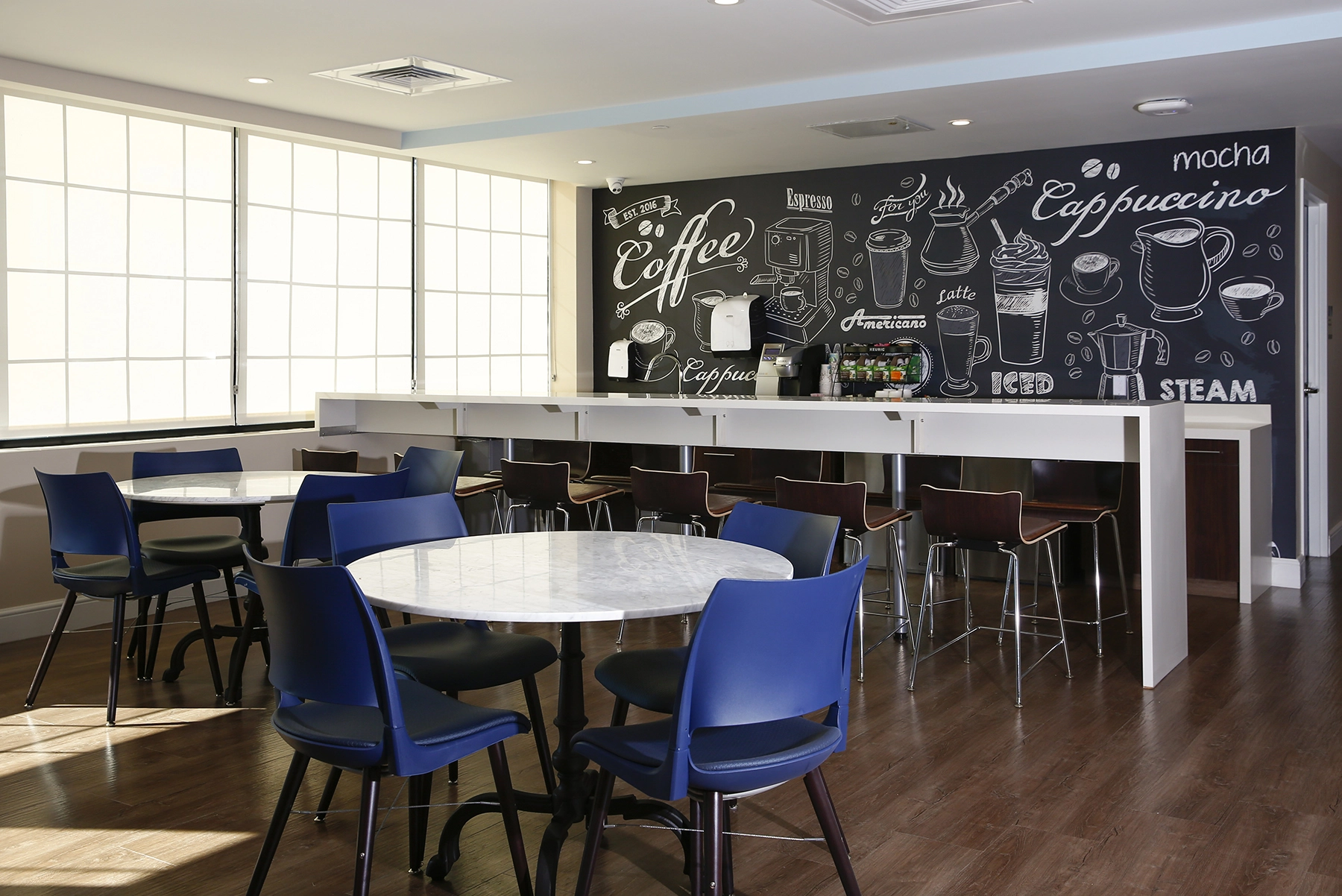
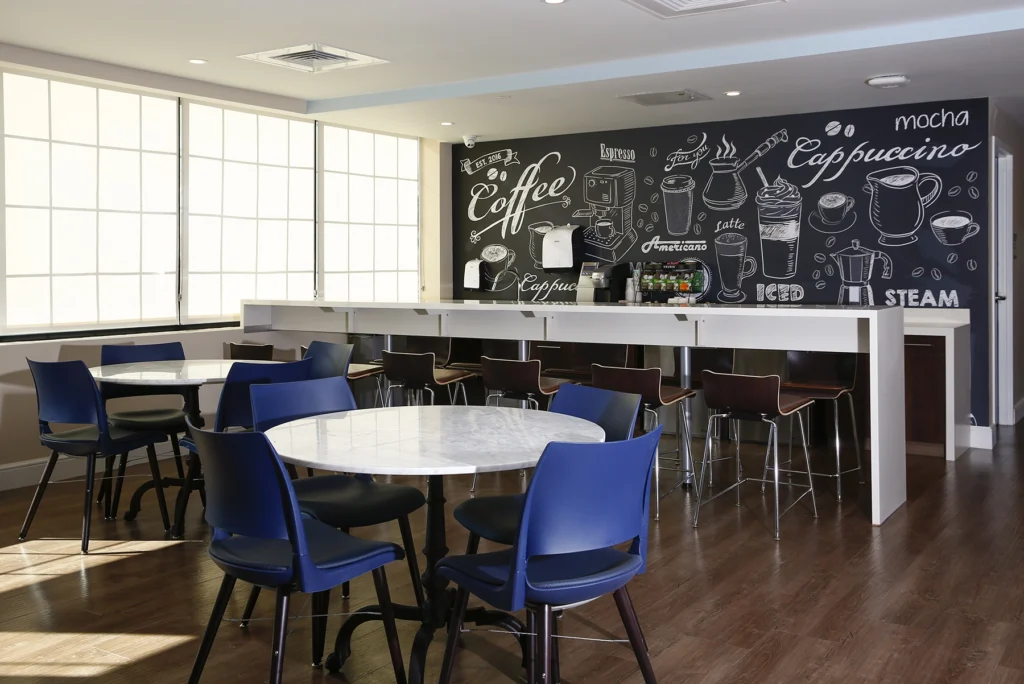
Connection is a major part of recovery. That’s why our café-style common area gives you a comfortable space to gather, decompress, and build the relationships that support long-term sobriety. Because physical wellness also supports recovery, our full-size gym gives you access to exercise as a daily tool for mood regulation, stress management, and physical health throughout your stay.
What to Bring to RCA at Danvers
Our team will provide you with a full packing list before you arrive and will answer questions about specific items. Medications, devices, and personal belongings all have rules worth checking in advance. Laundry facilities are available onsite.
With 239 beds and a full continuum of addiction care, RCA at Danvers is designed to help you focus on your recovery.

Continuing Care, Family, and Alumni Support
From the moment you arrive in our care, your dedicated case manager helps you coordinate medical care, psychiatric needs, social support, and daily logistics so you can focus on lasting wellness. We can also help you with Family and Medical Leave Act (FMLA) paperwork, assist with insurance applications, and link you to community resources, housing providers, outpatient programs, and other support services that keep you steady once you’re home.
RCA’s alumni network stays open to you for life. Meetings, sober events, and peer connections continue long after your last session, and those relationships often hold when motivation does not. Family education continues through support groups and webinars open to your loved ones, whether you are still in treatment.


Insurance and Payment
Recovery Centers of America is in-network with over 110 insurance companies, including most major providers. RCA at Danvers is in-network with Aetna, Blue Cross Blue Shield, ComPsych, Fallon, Massachusetts Behavioral Health Partnership (MBHP), Harvard Pilgrim, Tufts, Wellsense, and more. In Massachusetts, Medicaid is referred to as MassHealth, and the majority of MassHealth plans are accepted at RCA at Danvers.
Under the Mental Health Parity and Addiction Equity Act (MHPAEA), most insurers must cover behavioral health treatment (both addiction and mental health) at levels comparable to medical and surgical care. For most patients, that means insurance covers a substantial share. Our team verifies your benefits and explains any anticipated out-of-pocket costs before treatment begins. Interest-free payment plans may be available for remaining costs.
Local Resources
Insurance, Benefits, and Employment Assistance

Medicaid Insurance
You may qualify for Medicaid with the Commonwealth of Massachusetts. If you require healthcare coverage, your RCA case manager can help you apply/enroll at any time of year.
Other Insurance
Having health insurance helps you access medical care, behavioral health services, medications, and ongoing recovery support after discharge. If you do not currently have health insurance, your RCA case manager can help you apply. This may include helping you determine if you qualify for coverage, completing applications, and connecting you with resources that can support your healthcare needs and recovery journey.
FMLA/PFML
If you need help but are worried about taking time off work, your RCA case manager works with you and your employer to determine whether you are eligible for FMLA or PFML. The federal Family and Medical Leave Act (FMLA) and Massachusetts’ Paid Family and Medical Leave Act (PFML) are separate laws that cover similar situations. FMLA is a federal law that may allow eligible employees to take time away from work for certain medical and family reasons while protecting their job. PFML provides partial wage replacement up to a maximum weekly benefit. If you qualify, you may be able to take time off with protected leave.
Employment Assistance
Finding stable employment provides structure, financial stability, purpose, and opportunities for personal growth and is an important part of recovery. If you are unemployed, your RCA case manager can help connect you with community resources and vocational services that support job readiness and employment. This may include referrals to workforce development programs, career counseling, job training programs, resume-building assistance, interview preparation, and local employment agencies.
Help with Everyday Needs

Transportation
If you need a ride to your appointments, your RCA case manager provides you with transportation information and resources.
Housing
If you need housing while attending outpatient treatment, your RCA case manager helps you find the best housing option suited to your needs.
Food Assistance
If you and your family are struggling to buy healthy food, your RCA case manager helps determine if you are eligible to apply for assistance and helps you apply for assistance through Massachusetts’ Supplemental Nutrition Assistance Program (SNAP).
Financial Assistance
If you live in Massachusetts, your RCA case manager can help you apply for benefits and services to help with things like energy and utility bills, food and cash, healthcare, pregnancy, children, disabilities, and family emergencies.
Legal Resources
If you have legal concerns such as court obligations, probation requirements, child custody matters, driver’s license issues, housing disputes, or other challenges, addressing these concerns can help reduce stress and support long-term recovery. Your RCA case manager can help identify and connect you with resources and legal aid services to assist you after discharge.
If you have a scheduled court date or are currently working with a probation officer, it is important to follow all court requirements and maintain regular communication with your probation officer as directed. Your RCA case manager can help coordinate these important appointments or touchpoints.
If you prefer to reach out on your own, the Commonwealth of Massachusetts offers free legal help in civil cases for individuals who do not have a lawyer.
Other Social Services
The Commonwealth of Massachusetts offers services such as helping low-income residents access food assistance, medical assistance, and temporary cash assistance. They can also provide utility bill discounts and help with access to childcare.
Recovery & Treatment Support

Medication-Assisted Treatment (MAT)
If you are prescribed MAT like suboxone, buprenorphine, methadone, Vivitrol, or another prescription, your RCA case manager ensures that you have a scheduled appointment prior to your discharge so that you continue to take your medications as prescribed.
AA and NA Support Groups for Patients and Families
As you take your next steps in recovery, having the right people beside you is an important part of your recovery plan. Whether you find strength in shared experiences, encouragement from peers, or the accountability of a community, your RCA case manager will help you find support groups that feel like the right fit for you. And because recovery often involves the people who care about you most, we can also connect your family with support groups that provide guidance, understanding, and hope.
SMART Recovery Meetings
SMART Recovery is a self-help program to manage addictive behaviors. SMART (Self-Management and Recovery Training) recovery is based on evidence-informed psychological approaches, including Cognitive Behavioral Therapy (CBT) and Rational Emotive Behavior Therapy (REBT). Your RCA case manager can help you find a location near you.
Outpatient Treatment Programs
Together with your RCA case manager, you will create a plan to support your recovery after treatment. This often includes a step-down level of care. Your RCA case manager helps you schedule your first appointment before you are discharged. Possible next steps may include:
Primary Care Provider (PCP) Appointments
Regular medical care can help identify and address health concerns early, improve your overall well-being, and ensure that you continue to receive the care you need after discharge. Your RCA can help schedule an appointment with your PCP before you leave RCA. If you do not currently have a PCP, your case manager can provide referrals and help connect you with a healthcare provider in your community.
Medical Care Resources
Before you leave RCA, your case manager can help coordinate any medical care you may need after discharge, including scheduling appointments or providing referrals to specialty care, including infectious disease treatment, pain management services, sleep disorder evaluation and treatment, women’s health services, prenatal care, and others.
Behavioral and Mental Health Providers
Many people benefit from ongoing behavioral or mental health services after leaving treatment to help manage symptoms of anxiety, depression, trauma, stress, or other mental health concerns. Your case manager helps coordinate individual therapy, psychiatric medication management, trauma-focused counseling, grief counseling, or support groups before you are discharged.
Family Support Programs
When someone you love struggles with drugs or alcohol, it can be hard to know what to do or how to help. The Massachusetts Society for the Prevention of Cruelty to Children (MSPCC) offers support for those who love someone with a substance use disorder by providing emotional support, connecting families and their loved ones to treatment and other resources, and offering opportunities to learn about substance use disorders.
Crisis Services
Why Choose Recovery Centers of America
Recovery Centers of America has treated nearly 100,000 people in service of one goal: saving a million lives affected by addiction and mental illness, one person at a time. That work shows up here as personalized care pathways, a full continuum of addiction treatment, care measured against real outcomes, family services built into the clinical model, and admissions staffed 24/7, including weekends and holidays. Patients rate RCA 4.5 out of 5.
Newsweek has recognized RCA at Danvers as one of America’s Best Addiction Treatment Centers every year since 2020. The recognition considers quality of service, reputation, and accreditation within the communities each facility serves. RCA at Danvers also holds The Joint Commission’s Gold Seal of Approval and is LegitScript certified.
2000+ 5-Star Google Reviews
Real stories from patients and families reflect the care, compassion, and support people experience across Recovery Centers of America.

“RCA is an extremely professional, loving and caring place for anyone trying to survive life with substance abuse issues. They provide the tools and education to live life happy, joyous and free. I highly recommend RCA. My experience has absolutely changed my life.”
- Mark P
“RCA takes service to the next level. Their continuum of care is outstanding, and their commitment to recovery extends well beyond treatment through an incredible alumni program that keeps people connected, supported, and engaged. They don’t just help people get sober—they help them build a life in recovery while strengthening the communities they serve.”
- Stephanie F.
“RCA saved my life. The staff is phenomenal and goes above and beyond what you would expect in a treatment facility. The environment and fellow patients make everything about the inpatient experience much less stressful. The alumni services provided after discharge are also phenomenal. I would highly recommend RCA to anyone struggling with addiction.”
- Michael B.
“From upper management and coordinators to group facilitators, RSSs, the nursing staff, and my absolutely incredible therapist—RCA has truly changed my life. I’m deeply grateful to each of you.”
- Brandon H.
RCA at Danvers Location and Service Area
75 Lindall St
Danvers, MA 01923
Service area: RCA at Danvers serves Boston’s North Shore, including Salem, Peabody, Beverly, Lynn, Marblehead, Gloucester, Ipswich, Middleton, and neighboring communities, along with patients from the Merrimack Valley and greater Boston.
Transportation assistance is available for patients who need help getting here.
Frequently Asked Questions
What levels of care does RCA at Danvers offer?
RCA at Danvers offers medical detox, inpatient addiction treatment, outpatient services, Extended Day Treatment, and Day Treatment. Medication-assisted treatment may also be included when clinically appropriate.
Where is RCA at Danvers located?
RCA at Danvers is located at 75 Lindall Street in Danvers, Massachusetts, about five miles from Salem and approximately 45 minutes north of Boston. The facility serves adults throughout Boston’s North Shore, the Merrimack Valley, and greater Boston.
How quickly can I start treatment at RCA at Danvers?
Admissions support is available 24/7, and same-day admission may be available based on your clinical needs and current availability. Call 1-800-RECOVERY to speak with a Treatment Advisor.
How long will I be in treatment?
Detox typically runs 3 to 7 days, and residential inpatient care lasts 30 days or more. Extended Day Treatment meets 6 hours a day, from 9:30am – 3:30pm, 5 days a week, over several weeks. Day Treatment meets 3 to 4 times a week for 4 hours each day, over several months.
Can I attend Day Treatment from home?
Yes. Day Treatment at RCA at Danvers is offered in-person, fully virtual, or hybrid. Extended Day Treatment is in-person only.
Which medications does RCA at Danvers use for opioid and alcohol use disorder?
Subutex and Suboxone, Sublocade, Brixadi, methadone, oral and injectable naltrexone (Vivitrol), acamprosate (Campral), and disulfiram (Antabuse). All are prescribed on-site when clinically appropriate.
Does RCA at Danvers take Medicaid?
Yes, MassHealth (Massachusetts Medicaid) is accepted at RCA at Danvers. Our team verifies your benefits on the first call, free and with no obligation to enroll.
How is my family involved?
Family support services include education, support groups, and webinars to help your loved ones support your recovery. With your consent, family members may also visit during inpatient treatment.
What should I expect on the first day of inpatient treatment?
Assessment, a medical check, and rest. A nurse reviews your medications and vitals, a provider evaluates you for withdrawal and starts medication when appropriate, and full programming begins the following morning.
What is a Section 35 bed, and how does someone get one?
Section 35 is the Massachusetts law that allows a judge to order treatment for a person whose substance use puts them at serious risk of harm. A spouse, blood relative, guardian, physician, police officer, or court official can petition, and the court decides. RCA at Danvers holds 58 beds for these admissions.
Get Help Today at RCA at Danvers
Your comeback starts here, when you’re ready. We’re available 24 hours a day, 7 days a week, holidays included.
Sources
[1] Moos RH, Moos BS. (2006). Rates and predictors of relapse after natural and treated remission from alcohol use disorders. Addiction. 101(2):212–222.
https://pubmed.ncbi.nlm.nih.gov/16445550/
[2] Substance Abuse and Mental Health Services Administration. (2024). Key substance use and mental health indicators in the United States: Results from the 2024 National Survey on Drug Use and Health. HHS Publication No. PEP25-07-007.
https://www.samhsa.gov/data/sites/default/files/reports/rpt56287/2024-nsduh-annual-national-report.pdf