
Inpatient Treatment for Addiction and Mental Health
Inpatient treatment provides intensive, around-the-clock medical monitoring, and detoxification in a residential environment for addiction, primary mental health conditions, and dual diagnosis.


-
 Written by: Alexandra Talarico
 -
 Clinically Reviewed by: Pete Vernig
 -
 Compliance Reviewed by: Marianne Birmingham
What is Inpatient Treatment?
TL;DR – Inpatient treatment is a structured, residential level of care. Patients live on-site at a treatment facility and receive intensive, 24/7 clinical support. It is designed for people whose substance use, mental health, or co-occurring conditions require more supervision and intervention than outpatient programs can safely provide.
Inpatient treatment is the highest, most intensive level of care that we offer at Recovery Centers of America. Patients live onsite at our facilities designed for recovery and are immersed in a structured therapeutic environment where clinical support is available 24/7.
At RCA, inpatient care includes two distinct phases:
- Medical detox: medically supervised program to help patients safely manage withdrawal symptoms 24/7.
- Residential treatment: Deep, therapeutic work in a supportive, structured environment with group and individual sessions, wellness and creative activities, and life-skills education.

Inpatient Treatment for Addiction, Mental Health, and Dual Diagnosis
Recovery Centers of America offers inpatient treatment for:
Substance Use Disorders
- Alcohol
- Opioids
- Benzodiazepines
- Stimulants
- Polysubstance use
- And more
Mental Health
- Depression
- Anxiety
- Bipolar
- Schizophrenia
- PTSD
- Personality disorders
- And more
Co-Occurring Disorders
You may have a co-occurring disorder (also commonly referred to as a dual diagnosis) if you are experiencing both a substance use disorder and an underlying mental health condition. Treating both together better addresses the full clinical picture. RCA specializes in treating both simultaneously.

Is Inpatient Treatment the Right Level of Care?
You do not need to be in crisis to begin inpatient treatment. If you are unsure whether it is the right level of care, that is okay. You do not have to figure it out alone. Our treatment advisors are available 24/7 to help you understand your options and choose the best next step.
Inpatient treatment may be a good fit if you:
For Substance Use:
- Tried to stop using drugs or alcohol multiple times without lasting success
- Experience physical withdrawal symptoms when you stop using
- Notice that your substance use is significantly impacting your relationships, career, health, or safety
- Completed treatment before and relapsed
- Need medical supervision to safely detox
For Mental Health:
- Have symptoms severe enough to interfere with your ability to function day to day
- Are experiencing thoughts of self-harm or suicide
- Are taking medication but it’s not providing stabilization on its own
- Need a safe environment to begin or restart your daily routines
If any of these sound familiar, contact us to explore your treatment options.
Benefits of Inpatient Treatment
TL;DR – Key benefits of inpatient treatment include distance from triggers, 24/7 medical and clinical support, integrated care for co-occurring conditions, and a strong foundation for long-term recovery.
- Distance from triggers: Recovery is often harder when you are surrounded by the people, places, and routines tied to addiction or mental health crises. Inpatient care removes you from that environment so you can focus on treatment.
- 24/7 medical and clinical support: Withdrawal from some substances can be dangerous, and psychiatric symptoms may require immediate attention. Inpatient care ensures support is available at any time.
- Immersive therapeutic care: When treatment shapes your daily routine and environment, it creates more time and space for meaningful therapeutic work than outpatient care typically allows.
- Integrated care for co-occurring conditions: At RCA, addiction specialists and mental health clinicians work together. If substance use is connected to depression, trauma, or another mental health condition, we treat both together rather than separately.
- A foundation for long-term recovery: Inpatient treatment is not the end of healing; it is the start of a structured recovery process. You leave with an individualized aftercare plan, step-down support options, and practical tools to maintain progress.

Comparing Treatment Options: Levels of Care
Choosing the right treatment program depends on your needs and circumstances. The table below compares common levels of care, including what each option involves, who it may be best for, and how long it typically lasts. Our specialists can assess your needs over the phone and help you determine the best fit.
| Approach | Description | Best For | Duration |
|---|---|---|---|
| Intervention | Structured, professionally led conversation designed to help someone accept addiction treatment. This process brings together family members and loved ones to express concern in a supportive, non-judgmental environment | People who are denying or minimizing their substance use, refusing treatment, or are struggling to seek help on their own | Typically, between 1–2 hours. Planning and preparation with a certified intervention professional (CIP) may take several days to a few weeks prior |
| Medical Detox | Safely ridding the body of substances with round-the-clock monitoring of vital signs by a specialized medical team | Patients using substances regularly in large amounts for an extended period, increasing the amounts of substances, or those with intense cravings | Varies per person but typically 3-7 days. |
| Inpatient Residential Rehabilitation | 24/7 residential care with intensive therapy and medical supervision | Individuals who need a higher level of support or a structured environment to focus fully on recovery, including those with co-occurring mental health conditions. | Typically, up to 30 or more days |
| Partial Hospitalization (PHP)* | Intensive, structured treatment during the day without overnight stays | Those stepping down from inpatient treatment or those first starting their journey who need substantial support but with a stable living situation | Daily sessions for 5 to 6 hours, 5 days a week, lasting several weeks |
| Intensive Outpatient (IOP)** | Regular therapy sessions (in-person, virtual, and hybrid options available at RCA) allowing individuals to maintain daily responsibilities | Those stepping down from inpatient treatment or those first starting their journey who need structured support with flexibility | 3 to 4 sessions per week, each lasting a few hours, over several months |
| Virtual Intensive Outpatient** | Group therapy and individual counseling, from home via secure telehealth platform | Those discharging from detox or residential programs and continuing treatment, or those interested in just beginning sobriety from home | 3 to 4 sessions per week, each lasting a few hours, over several months |
| General Outpatient Programs (GOP) | Less intensive therapy sessions, often weekly | Individuals who have built a foundation in recovery and want continued support while returning to everyday life. | Varies. Often weekly sessions over several months |
| Medication-Assisted Treatment (MAT) | Combines medications with counseling and behavioral therapies | Individuals with opioid or alcohol use disorders | Varies. Can be long-term |
| Sober Living | Patients live onsite in RCA recovery housing while participating in RCA outpatient programming | Patients step down from RCA’s inpatient residential treatment to our outpatient programs in support of a smoother transition to independent living. | Varies based on personalized treatment plans. Can be several weeks to months. |
*In Massachusetts, this level of care is referred to as Extended Day Treatment. In New Jersey, it is referred to as Partial Care.
** In Massachusetts, this level of care is referred to as Day Treatment.
What to Expect in Inpatient Treatment
For many people, one of the biggest barriers to getting help is fear of the unknown—being away from family, arriving at treatment, answering difficult questions, or facing unfamiliar feelings. At an RCA inpatient facility, this is what you can typically expect in the first 72 hours:
Intake and assessment
You meet with an admissions team member and complete a comprehensive clinical intake. We talk about your history, current symptoms, medications, and goals. Everything you share is confidential and helps shape your treatment plan.
Medical evaluation
A medical professional completes a full health assessment and reviews any medications you are taking. If you are starting detox, your medical team also establishes your monitoring and support plan.
Your first night
You are shown to your room, introduced to the facility, and given time to settle in. Some patients feel relieved. Others feel anxious. Both reactions are completely normal.
Days two and three
You begin your therapeutic schedule, which may include group therapy, individual sessions, and psychiatric consultations when needed. The routine starts quickly because structure is part of the treatment.
What a Day in Treatment Looks Like at RCA
One of the most common concerns about inpatient treatment is losing control of your day. In reality, a predictable, purposeful, clinically designed routine is one of the most effective therapeutic tools. Here is what a typical day in RCA inpatient treatment may look like:
- Morning: Wake, breakfast, medications, and a brief community group to set the tone for the day
- Mid-Morning: Structured group therapy grounded in evidence-based modalities including cognitive behavioral therapy (CBT), dialectical behavior therapy (DBT), motivational interviewing, and trauma-informed approaches.
- Afternoon: Lunch, psychoeducation groups, skills-building sessions, recreational or experiential therapy, and time for reflection or journaling
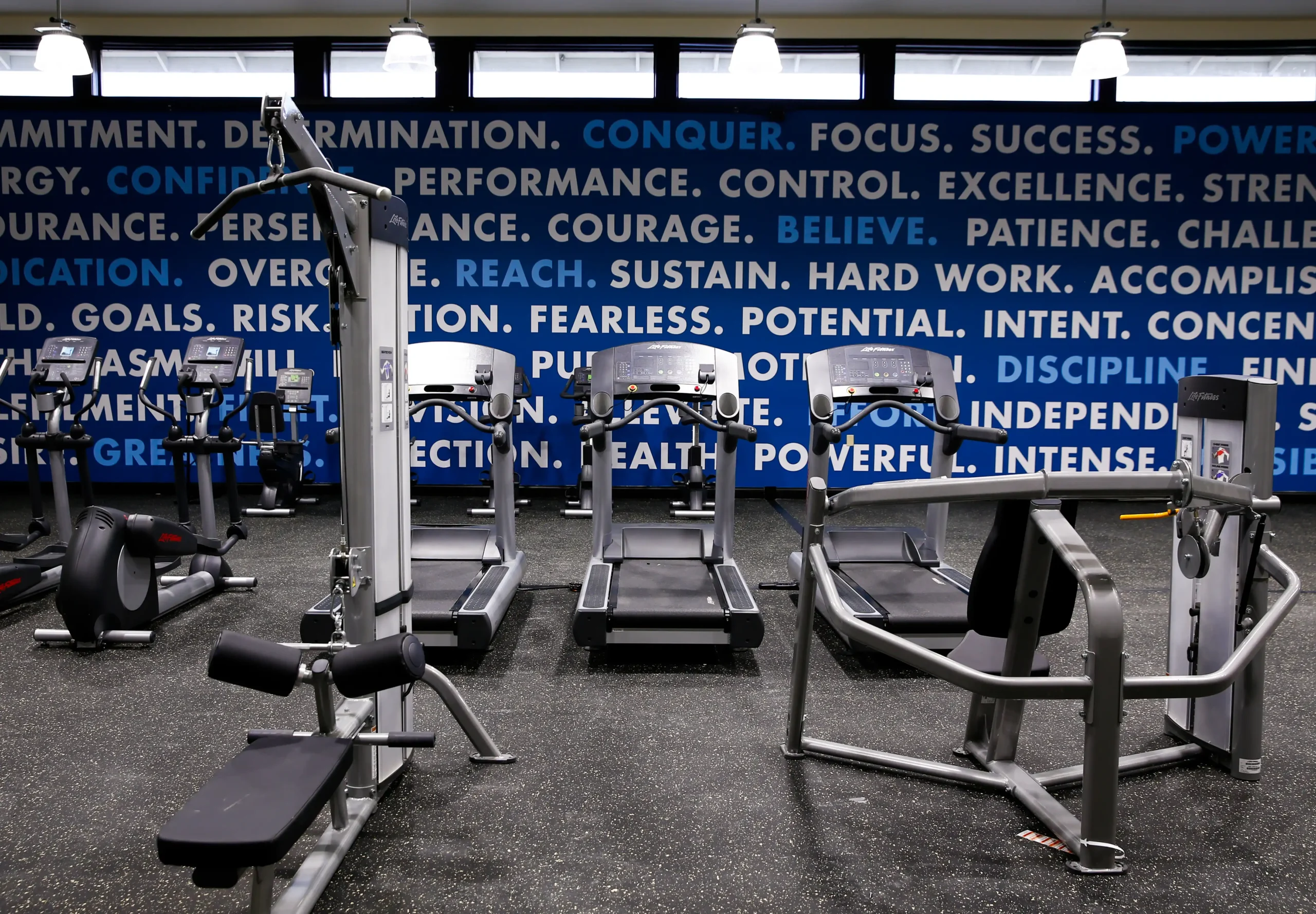
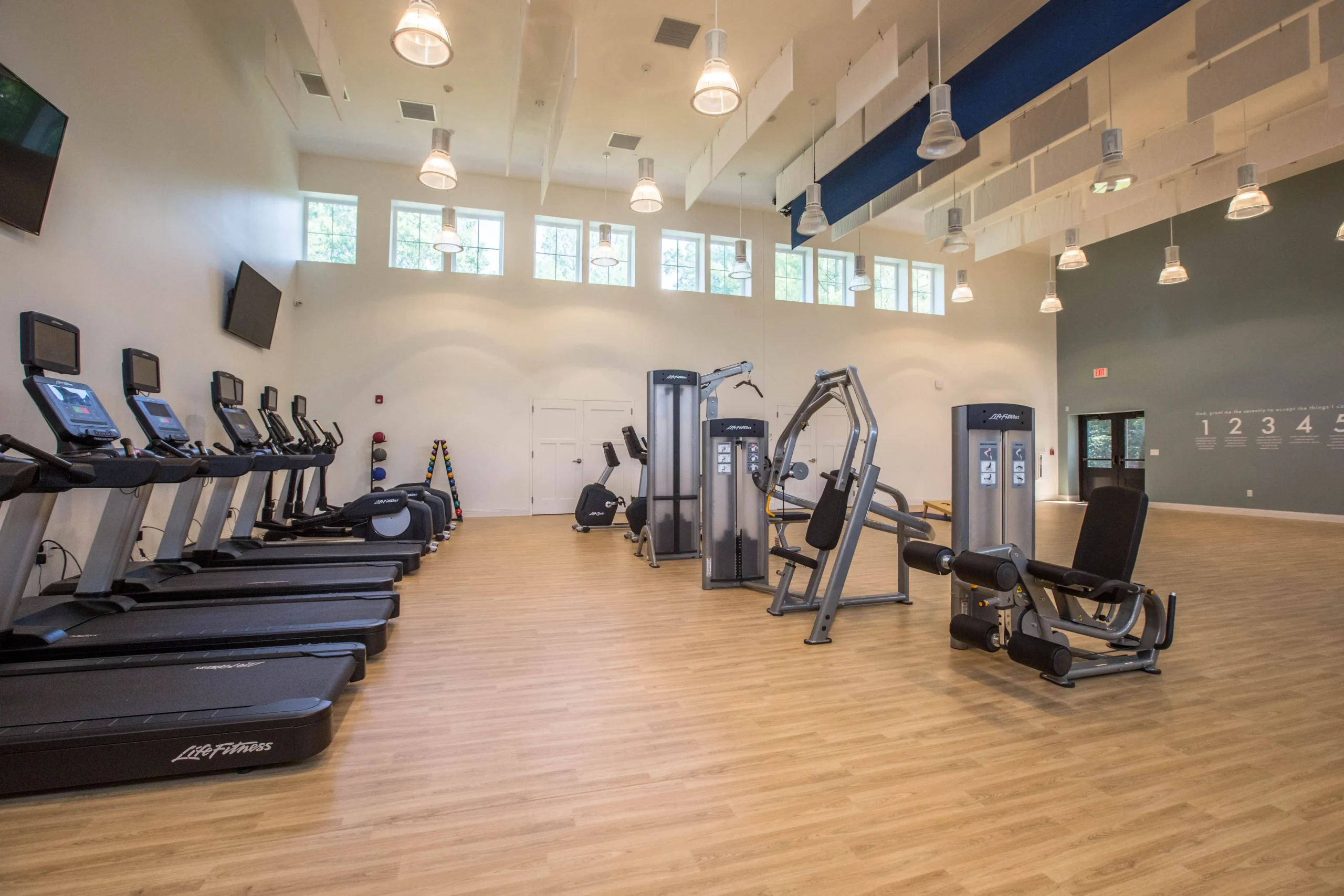
- Late-Afternoon: Outdoor recreation time, arts and crafts, fitness center, games.
- Evening: Dinner, medications, activity groups, AA/NA meetings
- Throughout: Access to medical staff and psychiatric support as clinically indicated; medication management; nursing check-ins
Each day is designed to build the tools, insight, and stability needed for lasting recovery.

What Happens After Inpatient Treatment?
TL;DR – At Recovery Centers of America, aftercare and alumni support are core parts of our patient-centered care model. The RCA Alumni Association helps ease the transition back to daily life and offers long-term sober support, while our case management team provides coordinated services, personalized aftercare planning, and resource connections for lasting success.
Returning to everyday life after discharge can sometimes feel as vulnerable as the day you entered rehab, which is why your aftercare planning at RCA begins on day one. RCA helps you prepare for what comes next and continues to support you long after treatment ends. Inpatient treatment is only the beginning of the recovery and wellness journey.
Research shows that patients are less likely to relapse if they stepped down into lower levels of care following inpatient treatment. Depending on your clinical needs, that step-down may include:
- Partial Hospitalization Program (PHP)*: Daytime programming five days per week — intensive structure without an overnight stay
- Intensive Outpatient Program (IOP)**: Three days per week, designed to fit around work, school, or family commitments
- Virtual IOP: Full IOP clinical programming accessible via secure telehealth platform
- General Outpatient Program (GOP): Ongoing weekly support and relapse prevention as you build long-term stability
*Referred to as Extended Day Programming in Massachusetts and known as Partial Care in New Jersey.
**Referred to as Day Programming in Massachusetts.
Individualized Aftercare Planning
Before you leave, your clinical team develops a comprehensive aftercare plan that includes your step-down level of care, medication management continuity, peer support resources, crisis planning, and more.
Alumni Support
Recovery takes a community. That’s why RCA’s alumni network provides ongoing peer connection, sober events, meetings, and support for patients after they leave our care.
Recovery Centers of America Inpatient Locations
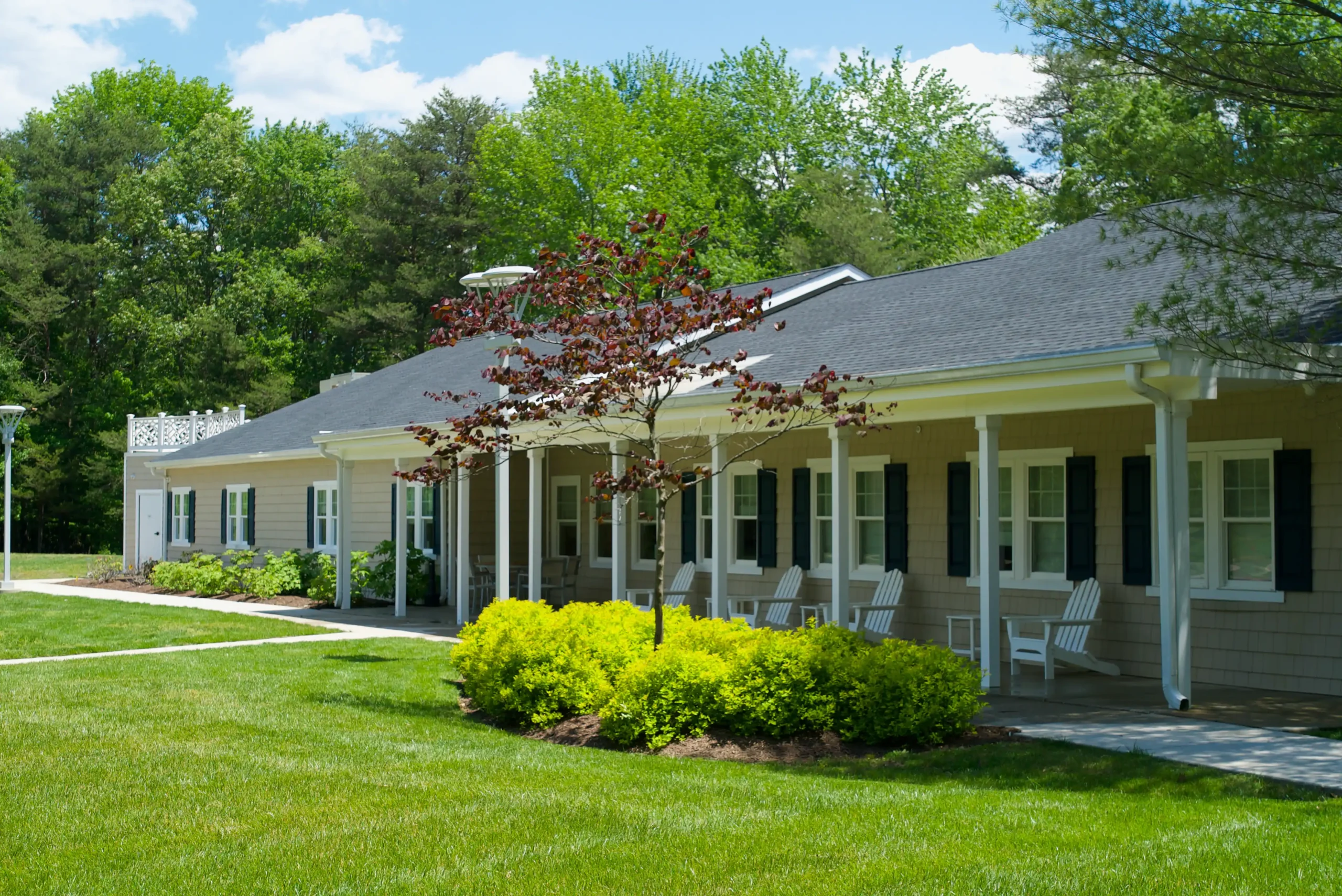
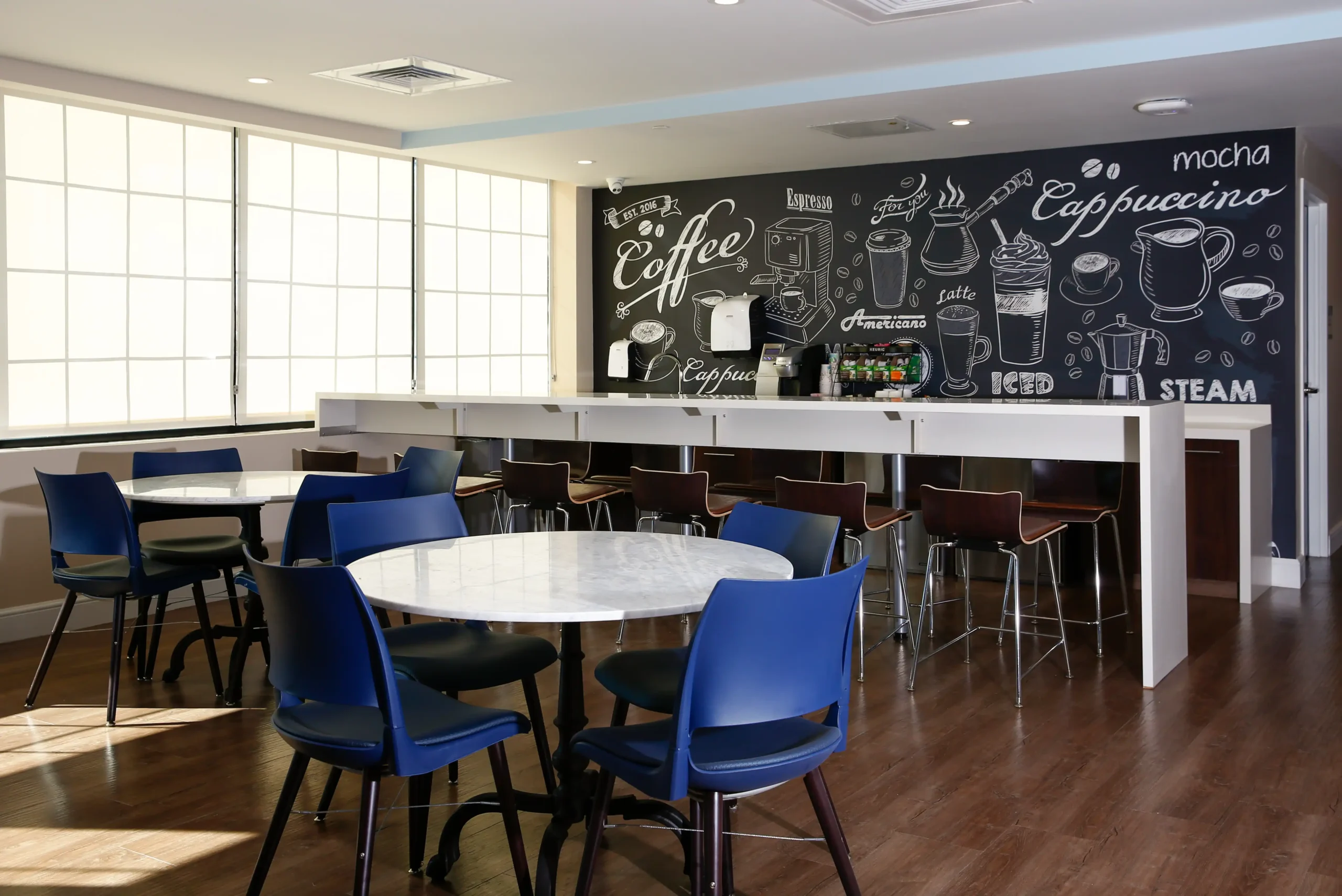
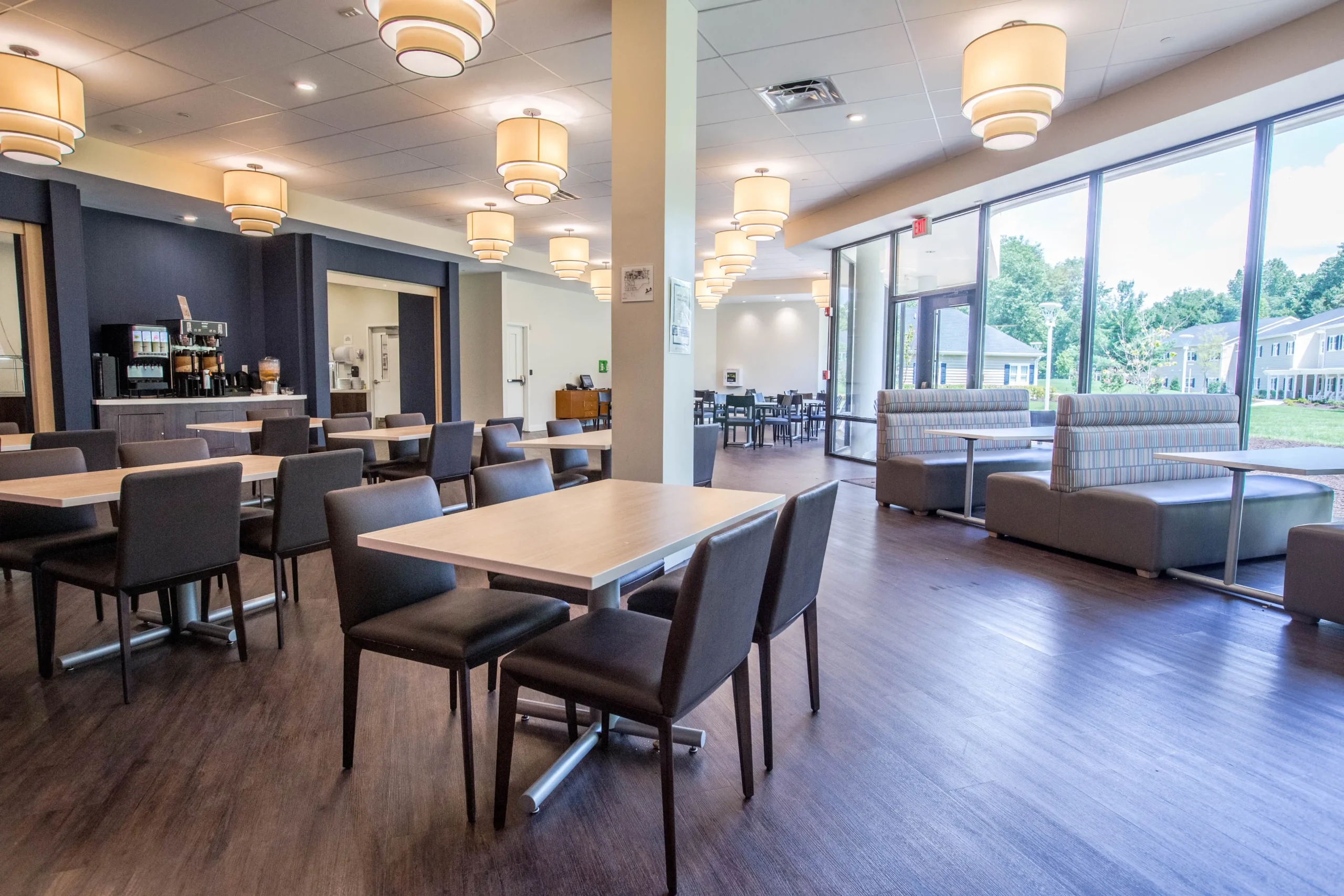
Help is closer than you think. RCA provides nationally recognized, evidence-based inpatient treatment across multiple states, offering compassionate care for addiction, dual diagnosis, and mental illness. Need help getting to us? We’ll coordinate transportation for you. Everyone has nationwide access to RCA’s supportive recovery communities and affordable, expert-led programs.







Does Insurance Cover Inpatient Treatment?
If you are delaying inpatient addiction treatment or mental health treatment due to cost, you are not alone. However, once you contact us, you may be pleasantly surprised to learn that inpatient treatment is frequently covered by commercial insurance plans. The Mental Health Parity and Addiction Equity Act requires most insurers to cover behavioral health treatment at levels comparable to medical and surgical care.
RCA accepts most major commercial insurance plans and is in network with more than 80 providers including Aetna, Anthem, Blue Cross Blue Shield, Highmark, Independence Blue Cross, Magellan Healthcare, Cigna and more. Our 24/7 admissions team will verify your benefits over the phone for free and with no obligation, that way you understand exactly what’s covered before making any decisions.








Why Choose Recovery Centers of America
Recovery Centers of America has treated nearly 100,000 individuals, all in pursuit of our mission: saving one million lives impacted by addiction and mental health disorders, one person at a time.
- Recognized by Newsweek as America’s Best Addiction Treatment Centers for multiple consecutive years
- Personalized treatment pathways tailored to your recovery stage including first time in treatment, care after relapse, and dual diagnosis treatment
- Compassionate, science-backed modalities
- Measurement-driven care
- Family-inclusive services that address addiction’s ripple effects, including interventions, support groups, and webinars
- 24/7 admission support, weekends and holidays included
Many of our team members have stood where you stand now. We understand recovery personally, and we’ve witnessed patients, families, and communities transform through proper treatment and ongoing support.

2000+ 5-Star Google Reviews
Real stories from patients and families reflect the care, compassion, and support people experience across Recovery Centers of America.

“RCA is an extremely professional, loving and caring place for anyone trying to survive life with substance abuse issues. They provide the tools and education to live life happy, joyous and free. I highly recommend RCA. My experience has absolutely changed my life.”
- Mark P
“RCA takes service to the next level. Their continuum of care is outstanding, and their commitment to recovery extends well beyond treatment through an incredible alumni program that keeps people connected, supported, and engaged. They don’t just help people get sober—they help them build a life in recovery while strengthening the communities they serve.”
- Stephanie F.
“RCA saved my life. The staff is phenomenal and goes above and beyond what you would expect in a treatment facility. The environment and fellow patients make everything about the inpatient experience much less stressful. The alumni services provided after discharge are also phenomenal. I would highly recommend RCA to anyone struggling with addiction.”
- Michael B.
“From upper management and coordinators to group facilitators, RSSs, the nursing staff, and my absolutely incredible therapist—RCA has truly changed my life. I’m deeply grateful to each of you.”
- Brandon H.
FAQs
How long does inpatient treatment last?
The length of inpatient treatment varies based on individual clinical need. Medical detox typically lasts between three to seven days, sometimes up to 10 or more. Residential inpatient treatment commonly ranges up to 30 days or more. Your clinical team will make recommendations based on your specific situation, and length of stay is revisited as you progress through treatment.
What should I bring to inpatient treatment?
You’ll receive a detailed packing list from our team. Generally, patients bring personal hygiene items, any prescribed medications in their original containers, and comfortable clothing (enough for one week as RCA has on site laundry machines). Most electronics are limited or restricted during treatment to support focus and engagement. Your admissions team will walk you through everything before you arrive. Learn more about what to expect.
Does insurance cover inpatient treatment?
Most major commercial insurance plans provide coverage for inpatient behavioral health treatment under the Mental Health Parity and Addiction Equity Act. RCA accepts most major insurances and is in-network with over 80 providers. Our team will verify your specific benefits at no cost before you make any decisions.
What's the difference between inpatient and residential treatment?
The terms are often used interchangeably. In general, “inpatient” refers to any treatment in which a patient resides at the facility, while “residential” specifically denotes a non-hospital setting with 24-hour support. At RCA, both terms refer to the same level of structured, live-in care.
Can inpatient treatment address addiction, mental health, and dual diagnosis?
Yes. RCA treats addiction and co-occurring disorders at all locations, as well as primary mental health at select locations.
What happens after I leave inpatient treatment?
Aftercare planning is considered one of the core tenets of RCA’s care model. Most patients transition to a step-down level of care like PHP or IOP rather than returning directly to everyday life with no clinical support. Your clinical team will develop a comprehensive aftercare plan before discharge that includes your next level of care, medication continuity, referrals, and other resources. You are also considered part of RCA’s alumni community for life and will have access to meetings, sober events, and more.