



-
 Written by: Alexandra Talarico
 - Clinically Reviewed by: Pete Vernig
- Compliance Reviewed by: Marianne Birmingham


Explore treatment options, levels of care, and what to expect.
If you’re a resident of Maryland and struggling with substance use disorder, an addiction to drugs, alcohol, or prescription medications, you have multiple options for recovery. Drug and alcohol rehabs for Marylanders offer a range of science-backed therapies, individualized treatment plans, and supportive recovery communities to help those transitioning from active addiction to sustained sober living.
This page explores what’s involved in drug and alcohol rehab in Maryland, whether you need inpatient or outpatient treatment, and even if you have a severe substance use disorder (addiction) or a co-occurring mental health condition. Read on and learn how to get compassionate and effective treatment for any type of addiction at the right level of intensity
Locations
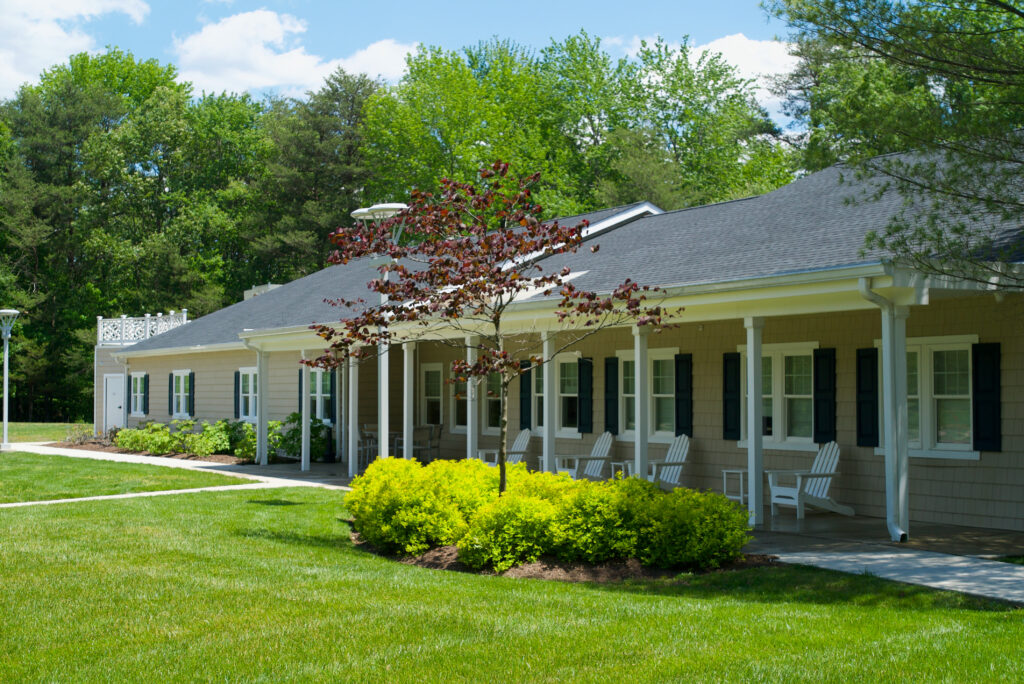
Our Maryland Addiction Treatment Center Locations

Earleville, MD
314 Grove Neck Rd,
Earleville, MD 21919
Treatment Offerings
- Medically-monitored detox
- Residential inpatient treatment
- Family Education and Coaching
- Medication-Assisted Treatment (MAT)
- Evidence-based treatment
- 12-step programming
- Dual diagnosis treatment
- Relapse prevention
- Addiction Intervention Services
Programs
- RESCU for military and first responders
- WorkFlex for students and professionals
- FastTrack for ERs, hospitals, and urgent cares
- Seeking Safety
- Dharma Recovery
- SMART Recovery
Earleville, MD
314 Grove Neck Rd,
Earleville, MD 21919
Treatment Offerings
- Partial Hospitalization Treatment (PHP)
- Intensive Outpatient Program (IOP)
- Family Education and Coaching
- Sober Living
- Medication-Assisted Treatment (MAT)
- Evidence-based treatment
- 12-step programming
- Dual diagnosis treatment
- Relapse prevention
- Addiction Intervention Services
- Virtual, in-person, hybrid format available
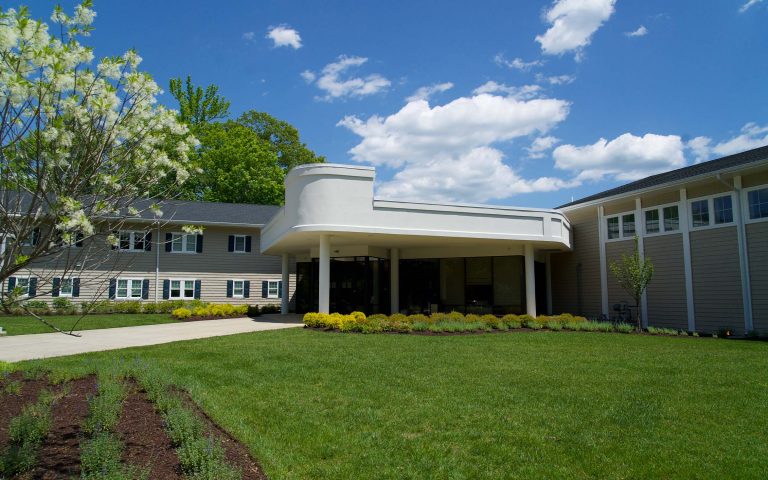
Waldorf, MD
11100 Billingsley Rd,
Waldorf, MD 20602
Treatment Offerings
- Medically-monitored detox
- Residential inpatient treatment
- Family Education and Coaching
- Medication-Assisted Treatment (MAT)
- Evidence-based treatment
- 12-step programming
- Dual diagnosis treatment
- Relapse prevention
- Addiction Intervention Services
Programs
Waldorf, MD
11100 Billingsley Rd,
Waldorf, MD 20602
Treatment Offerings
- Partial Hospitalization Treatment (PHP)
- Intensive Outpatient Program (IOP)
- Psychiatric Evaluation
- Family Education and Coaching
- Medication-Assisted Treatment (MAT)
- Evidence-based treatment
- 12-step programming
- Dual diagnosis treatment
- Relapse prevention
- Addiction Intervention Services
- Virtual, in-person, hybrid format available
Inpatient Treatment in Maryland
QUICK SUMMARY
Inpatient or residential rehab offers the most immersive and intensive form of addiction treatment. This pathway provides a highly structured, distraction-free environment with 24/7 medical supervision and clinical support, making it clinically necessary for safe detoxification, severe substance use disorders, or managing a dual diagnosis.
Inpatient Program Fast Facts:
- •Levels of Care: Medically Monitored Detoxification, Clinical Residential Treatment, and specialized Dual Diagnosis tracks.
- •Clinical Environment: Around-the-clock medical oversight, monitored drug and alcohol withdrawal stabilization, and immersive daily group and individual therapy.
- •Ideal For: Individuals experiencing acute withdrawal symptoms, those with severe chronic dependency, or patients requiring coordinated care for co-occurring mental health disorders.
Inpatient rehab, including detox and residential rehab, is the most immersive and intensive form of addiction treatment [1]. This approach involves safe and monitored therapy, accompanied by 24-hour clinical and emotional support. Inpatient rehab is typically recommended for people with severe substance use disorders or dual diagnosis (an addiction with a co-occurring mental health disorder). Residential rehab also works well for those who require supervision during drug or alcohol withdrawal.
Core Elements of Inpatient Residential Rehab
Although all residential rehab programs in Maryland differ slightly, most follow a similar framework.
Assessment

An initial evaluation of mental and physical health, substance use history,
and personal goals and circumstances informs the development of a customized
treatment plan. This assessment also determines whether someone needs to kickstart
their recovery with medical detox.
Medical detoxification
During supervised medical detox, medical staff monitor the
withdrawal process and administer medications as needed to alleviate withdrawal
symptoms, making detoxification safer and more comfortable for those withdrawing
from drug or alcohol dependence [2].
Evidence-based treatments
MAT (medication-assisted treatment)
Opioid and alcohol addictions respond favorably to MAT, which involves a combination of medications approved by the FDA and talk therapies like CBT or DBT. Medications are effective for alleviating the intensity of withdrawal symptoms, reducing cravings, and managing any co-occurring
conditions.
Holistic practices

Reputable inpatient rehab centers in Maryland typically supplement evidence-based treatments with holistic practices to promote whole-body healing. Examples include meditation, mindfulness, coping skills, art and other creative outlets,
and nutritional guidance.
Family education and coaching

Addiction is a family disease and involving all
members of the family in the treatment process helps improve conflict management,
communication, and streamlines the person’s re-entry into the family unit after inpatient
rehab.
Inpatient treatment, including detox and residential rehab, in Maryland enables people to address their addictions and mental health issues in a safe setting with no triggers or
distractions, setting the stage for long-term recovery
Outpatient Rehab Programs in Maryland
QUICK SUMMARY
Outpatient or telehealth rehab offers a flexible, part-time treatment format that allows individuals to receive evidence-based clinical care while continuing to live at home or in a sober living environment. This pathway balances clinical structure with personal freedom, enabling patients to maintain daily work, school, or family commitments while building real-world recovery skills.
Outpatient Program Fast Facts:
- •Levels of Care: Partial Hospitalization Programs (PHP), Intensive Outpatient Programs (IOP), General Outpatient (OP), and comprehensive Telehealth options.
- •Clinical Environment: Scheduled daytime or evening group therapy, individual counseling, and medical check-ins without a residential requirement.
- •Ideal For: Individuals with mild-to-moderate substance use dependency, those with strong support systems at home, or patients transitioning out of inpatient care.
Outpatient alcohol and drug rehab in Maryland provides people with an affordable and flexible route to recovery from addiction. Outpatient programs, available at varying levels of intensity, allow individuals to meet their everyday obligations while engaging in personalized treatment plans that accommodate these commitments.
For anyone looking to begin their addiction recovery in Maryland, outpatient treatment programs are available at different levels of intensity, including:

PHPs (partial hospitalization programs)
PHP is the most intensive form of outpatient treatment. It typically includes:
- Five days of therapy per week.
- Treatment sessions span four to six hours per day.
- Clinical and emotional care without requiring overnight stays.
- Similar to those offered at residential rehab.
IOPs (intensive outpatient programs)
IOPs work well as standalone options or when someone is stepping down from an inpatient or PHP program in Maryland. Intensive outpatient treatment involves:
- Three days of therapy each week.
- Treatment sessions last four to six hours each day.
- Group therapy and one-on-one counseling.
- Relapse prevention techniques and coping mechanisms.

Virtual addiction treatment services
Telehealth services gained popularity in 2020 as the pandemic impacted Maryland. Virtual addiction treatment might include:
- Remote access to therapy and support.
- Therapy sessions to suit personal needs.
- Accessible to those with transportation problems.
- Deliver outcomes comparable to face-to-face treatment for suitable candidates.
Is the Full Continuum of Care Necessary?
Research indicates that more extended engagement with addiction treatment typically delivers superior outcomes [3]. The continuum of care steps down from inpatient or intensive outpatient treatment programs to less immersive outpatient services, helping set the foundation for long-term recovery from drug or alcohol addiction.
Engaging with the complete continuum of care can provide benefits such as:
- Smooth and slow transition: Moving gradually through the different levels of care
enables people to implement recovery skills with progressively less support, helping
them to become more confident and self-sufficient. - Ongoing support: By continuing treatment, individuals benefit from long-term
oversight and accountability during the challenging initial phase of recovery from
addiction. - Personalized progression: Treatment intensity can be adjusted in line with the
individual’s needs and recovery goals, with support increased as needed. - Comprehensive skills development: All levels of care build upon the skills learned in
more intensive treatment settings, enabling individuals to master the tools and
strategies necessary for practical sober living.
While not everyone needs the full continuum of care, most find that a graduated approach to treatment gives them the support they need to move from active addiction to sustained recovery. Results of the initial assessment inform the most appropriate pathway to treatment
Local Resources and Community Support
Meaningful long-term recovery continues after discharge from inpatient or outpatient rehab. There are many types of community support available in Maryland. These help people consolidate the skills acquired in evidence-based interventions and offer a continuing connection to resources for those looking to transition smoothly to sober living.
Peer-Based Support Groups

Recovery Community Organizations

Maryland is home to recovery communities that offer:
- Sober activities.
- Peer coaching.
- Advocacy.
- Housing, education, and employment opportunities.
Support Services

Support services in Maryland include:
- Coaching programs
- Sober living homes
- Assistance with healthcare
Substance Abuse: Maryland Statistics

people
1,358 individuals lost their lives to unintentional drug and alcohol-related incidents in Maryland from January to June 2021, representing a 0.5% increase over the same period in the previous year

%

fatal overdose
Synthetic opioid fentanyl was detected in 1,129 fatal overdose cases across Maryland communities in the first half of 2021.

all substance-related
Fentanyl was present in 83% of all substance-related fatalities statewide, and specifically in 93% of opioid-associated deaths
Maryland also faces challenges regarding alcohol consumption patterns, according to
research from NCDAS (National Center for Drug Abuse Statistics) [5]:
- Elevated mortality rates are linked to underage alcohol use compared to national averages.
- Roughly 15% of Maryland adults report engaging in binge drinking episodes at least once a month.
- People who binge drink in Maryland consume 5.3 alcoholic beverages per episode on average. The most frequent among these consumes about 7 drinks per episode.
- Excessive alcohol consumption contributes to 2,482 deaths annually in the state.
Why Choose RCA?
If you’re considering starting your recovery in Maryland but are unsure how to get started,
there are many compelling reasons to kickstart your recovery at RCA.
Our Approach
Treatment at RCA involves evidence-based interventions blended with holistic practices to
promote whole body healing from any type of addiction.
Specialized Recovery Pathways
We offer three distinct treatment pathways at RCA that help people at all stages of recovery:
01
Foundations of Recovery
This route is ideal for anyone new to addiction treatment. It
provides education, introduces recovery concepts, and sets the foundation for sober living. The program also focuses on the concerns and uncertainties many encounters when beginning their recovery from addiction.
02
Fresh Start
Designed for those who have already engaged with addiction treatment,
this pathway builds upon knowledge, coping skills, and relapse prevention learned in previous attempts at recovery
03
Balance
A specialized pathway that includes dual diagnosis treatment for those with
co-occurring mental health disorders. This approach is proven to deliver better
treatment outcomes than addressing each condition in isolation.
01 Foundations of Recovery
This route is ideal for anyone new to addiction treatment. It
provides education, introduces recovery concepts, and sets the foundation for sober living. The program also focuses on the concerns and uncertainties many encounters when beginning their recovery from addiction.
02 Fresh Start
Designed for those who have already engaged with addiction treatment, this pathway builds upon knowledge, coping skills, and relapse prevention learned in
previous attempts at recovery.
03 Balance
A specialized pathway that includes dual diagnosis treatment for those with co-occurring mental health disorders. This approach is proven to deliver better treatment outcomes than addressing each condition in isolation.


Trauma-Informed Treatment
Many addictions are grounded in trauma and require specialized treatments that include:
- Assessments: Trauma-sensitive screening and assessment protocols.
- Environmental factors: Treatment delivered in a safe space.
- Integration: Addressing trauma and substance use concurrently for best results.

Evidence-Based Therapies
01 CBT
CBT (cognitive behavioral therapy) is widely used to treat addictions and mental health
conditions. It helps people identify and change negative thought patterns and behaviors.
- Core aspects: Explore automatic thoughts and behavioral activation and develop
effective coping mechanisms. - Effectiveness: Research shows that CBT is highly effective for treating addictions [6]
- Application: CBT is delivered in individual and group settings.
- Benefits: Develop skills integral to long-term addiction recovery
02 DBT
DBT (dialectical behavior therapy) utilizes a combination of acceptance-based techniques
and change-oriented strategies.
- Core aspects: Mindfulness, distress tolerance, emotion regulation, and interpersonal
effectiveness. - Effectiveness: Particularly beneficial for people with histories of trauma and emotional
dysregulation. - Application: One-to-one therapy combined with skills-development groups.
- Benefits: Helps manage emotions while reducing impulsive behaviors.
03 Motivational Interviewing
This form of motivational therapy helps people resolve ambivalence about making behavioral
changes.
- Core aspects: Include empathy, develop discrepancies, roll with resistance, and self-efficacy.
- Clinical application: Time-limited therapies can be used in conjunction with other
treatment options. - Effectiveness: Beneficial for those in the early stages of recovery, it usually improves
treatment engagement and retention. - Process: Collaborative rather than confrontational approach.
04 Family Education and Coaching
Involving family members in addiction treatment helps via the following mechanisms:
- Education: Educating families about the neurobiological basis of addiction shifts
understanding from judgment to a more informed medical perspective. - Communication skills: Communication exercises enable families to build new
patterns of interaction, replacing triggering exchanges with more supportive dialogue. - Boundary setting: Helping families to set and maintain boundaries establishes
frameworks for relationships that protect family well-being and support recovery. - Healing processes: Teaching families healing protocols to help them address longterm patterns or wounds that stem from substance abuse.
When a family engages in these processes with their loved ones, they help them in their
recovery journeys instead of becoming unintentional obstacles.


Medication-Assisted Treatment in Maryland
MAT (medication-assisted treatment) involves a combination of FDA-approved medications
and talk therapy to treat alcohol or opioid use disorders.
QUICK SUMMARY
Medication-Assisted Treatment (MAT) is an evidence-based approach that combines FDA-approved medications with behavioral therapies and counseling to treat substance use disorders. Rather than substituting one addiction for another, MAT normalizes brain chemistry, blocks the euphoric effects of opioids or alcohol, and relieves severe physical cravings so individuals can actively engage in long-term recovery counseling.
MAT Program Fast Facts:
- •Common Medications: Includes Suboxone® (buprenorphine/naloxone), Vivitrol® (extended-release naltrexone), and Methadone to safely manage dependence.
- •The Whole-Patient Approach: Medication alone is not the cure; it is strictly paired with individual therapy, group counseling, and case management to address the underlying behavioral roots of addiction.
- •Key Clinical Benefits: Significantly reduces the risk of fatal overdose, minimizes illicit opioid or alcohol use, increases treatment retention, and stabilizes daily living.

Methadone
- Long-acting agonist that lessens the intensity of cravings and withdrawal symptoms.
- Administered daily at methadone clinics with the possibility of taking the medication home after ongoing compliance
- Need to participate in a federally regulated program.
- Helps many people with severe opioid use disorders.
Buprenorphine
- Partial opioid agonist that reduces withdrawal symptoms and cravings.
- It may be prescribed in an office-based setting to improve accessibility.
- Less risk of overdose than full opioid agonists.
- Available as tablets or films to be taken daily, or injectable formulations to be taken weekly or monthly
Naltrexone (Vivitrol)
- An antagonist that disrupts the euphoria triggered by opioids.
- Non-addictive and has no abuse potential.
- Vivitrol is an injectable that helps improve treatment adherence.
- A person needs to undergo detoxification before commencing treatment.
- Ideal for individuals motivated to pursue a sober lifestyle.
Methadone
- Long-acting agonist that lessens the intensity of cravings and withdrawal symptoms
- Administered daily at methadone clinics with the possibility of taking the medication home after ongoing compliance.
- Need to participate in a federally regulated program.
- Helps many people with severe opioid use disorders.
Buprenorphine
- Partial opioid agonist that reduces withdrawal symptoms and cravings.
- It may be prescribed in an office-based setting to improve accessibility.
- Less risk of overdose than full opioid agonists.
- Available as tablets or films to be taken daily, or injectable formulations to be taken weekly or monthly.
Naltrexone (Vivitrol)
- An antagonist that disrupts the euphoria triggered by opioids.
- Non-addictive and has no abuse potential.
- Vivitrol is an injectable that helps improve treatment adherence.
- A person needs to undergo detoxification before commencing treatment.
- Ideal for individuals motivated to pursue a sober lifestyle.

Acamprosate:
- Minimizes PAWS (post-acute withdrawal syndrome) and cravings for alcohol.
- Stabilizes brain chemistry distorted by long-term alcohol abuse.
- Usually, it is well-tolerated and provokes few side effects.
- Most effective if treatment begins after someone is sober.
- Needs dosing three times daily.
- Safest option for those with significant liver disease.
Naltrexone:
- Diminishes alcohol cravings and reduces the euphoria associated with alcohol consumption.
- Comes as a tablet taken daily or a monthly injectable.
- There is no need to be sober before beginning treatment.
- Works well with psychotherapies like CBT and DBT.
- Preferred treatment option for those with concurrent alcohol and opioid use disorders.
Disulfiram
- Triggers adverse physical reactions when consumed with alcohol.
- Serves as a deterrent to alcohol consumption.
- Need motivation and medication adherence.
- Most effective when the administration is supervised.
Acamprosate:
- Minimizes PAWS (post-acute withdrawal syndrome) and cravings for alcohol
- Stabilizes brain chemistry distorted by long-term alcohol abuse.
- Usually, it is well-tolerated and provokes few side effects.
- Most effective if treatment begins after someone is sober.
- Needs dosing three times daily.
- Safest option for those with significant liver disease.
Naltrexone:
- Diminishes alcohol cravings and reduces the euphoria associated with alcohol consumption.
- Comes as a tablet taken daily or a monthly injectable.
- There is no need to be sober before beginning treatment.
- Works well with psychotherapies like CBT and DBT.
- Preferred treatment option for those with concurrent alcohol and opioid use disorders.
Disulfiram
- Triggers adverse physical reactions when consumed with alcohol.
- Serves as a deterrent to alcohol consumption.
- Need motivation and medication adherence.
- Most effective when the administration is supervised.
Understanding Medication-Assisted Treatment (MAT)
What is Medication-Assisted Treatment (MAT)?
Medication-Assisted Treatment (MAT) is a comprehensive, evidence-based approach to treating substance use disorders—primarily opioid and alcohol use disorders. It combines FDA-approved medications with behavioral therapies, counseling, and social support systems to treat the whole patient, rather than just the physical symptoms of addiction.
Does MAT just replace one drug with another?
No. Under strict medical supervision, MAT medications are prescribed at specific therapeutic dosages that do not produce a "high." Instead, these medications normalize brain chemistry, stabilize brain receptors, block the euphoric effects of illicit substances, and relieve the severe physical cravings that frequently lead to relapse.
How does MAT improve long-term recovery outcomes?
Clinical data demonstrates that incorporating MAT into a treatment plan significantly improves patient retention and long-term sobriety. Core benefits include:
- A drastic reduction in fatal overdose risks during and after treatment.
- Decreased illicit substance use and associated criminal justice involvement.
- Improved physical health, psychological stability, and capacity to maintain steady employment.
Medications Used in Addiction Treatment
What medications are used in MAT for Opioid Use Disorder (OUD)?
There are three primarily utilized, FDA-approved medications for treating opioid dependency:
- Suboxone® (Buprenorphine/Naloxone): A partial opioid agonist that satisfies brain receptors to eliminate cravings and withdrawal symptoms, while containing an abuse deterrent (naloxone).
- Vivitrol® (Naltrexone): An extended-release, monthly injectable opioid antagonist that completely blocks opioid receptors, preventing any euphoric effects if opioids are consumed.
- Methadone: A long-acting full opioid agonist administered daily in highly regulated clinic settings to prevent withdrawal and cravings.
What medications are used in MAT for Alcohol Use Disorder (AUD)?
To assist patients struggling with chronic alcohol dependency, medical teams safely utilize three primary medications:
- Vivitrol® / Naltrexone: Blocks the endorphin signals and pleasurable sensations associated with drinking alcohol, successfully reducing heavy drinking behaviors.
- Acamprosate (Campral): Helps re-stabilize and normalize brain chemistry that has been disrupted by long-term, chronic alcohol exposure.
- Disulfiram (Antabuse): An aversion therapy medication that produces highly uncomfortable physical reactions (nausea, flushing) if any amount of alcohol is ingested.
Integration with Behavioral Therapy
Why is counseling mandatory alongside MAT prescriptions?
Medication addresses the physiological rewiring and physical constraints of addiction, but it does not address the underlying psychological behavioral roots. Mandatory counseling—including Cognitive Behavioral Therapy (CBT) and Dialectical Behavior Therapy (DBT)—helps patients uncover trauma, identify environmental triggers, and build sustainable, lifelong coping mechanisms.
How long does a person typically remain on Medication-Assisted Treatment?
There is no standard, universal timeline for MAT. According to federal guidelines, treatment may continue safely for months, years, or even a lifetime depending on the clinical assessment of the medical team and the individual needs of the patient. Tapering off medication is a gradual, highly monitored process co-managed by the patient and provider when long-term lifestyle stability is achieved.
Safety, Insurance, & Program Access
Is Medication-Assisted Treatment safe during pregnancy?
Yes, under strict medical management. For pregnant individuals with an opioid use disorder, sudden withdrawal can be dangerous to both the mother and the unborn child. Utilizing specific MAT medications like buprenorphine or methadone stabilizes the prenatal environment, prevents acute withdrawal distress, and significantly improves health outcomes for both mother and infant.
Is MAT covered by commercial health insurance?
Yes. Most major commercial health insurance plans, as well as Medicaid and Medicare, provide comprehensive coverage for Medication-Assisted Treatment, including both medical evaluations and prescription costs. Exact out-of-pocket costs or co-pays depend entirely on your specific insurance policy structure.
How do I begin an entry assessment for a MAT program?
Entering a MAT program requires an initial clinical and medical assessment to determine eligibility and appropriate dosage pathways. You can speak with an admissions counselor 24/7 by calling our secure line at (833) 216-8549 or complete our rapid online Insurance Verification form to verify your policy benefits instantly.
Integrated Psychosocial Approach
Maryland physicians appreciate that medication is not enough on its own to ensure long-term recovery. A holistic methodology unfolds as follows:
- Assessment and evaluation:
Identifying candidates suitable for MAT at a comprehensive initial assessment. - Ongoing oversight:
Assessing efficacy and monitoring adverse reactions via routine check-ins. - Therapeutic coordination:
Combining behavioral therapy with pharmacological interventions to tackle dependence and address the psychological aspects that drive addiction. - Community connection:
Streamlining access to support networks. - Knowledge-building:
Explaining how medication works in the broader framework of recovery.

Experienced Staff
- Medical specialists: Addiction medicine certified staff and specialized nurses and nurse practitioners help oversee detoxification protocols and medication-assisted treatment (MAT).
- Therapeutic professionals: Counselors with advanced degrees who specialize in treating addictions and mental health disorders lead one-to-one and group therapy sessions.
- Advocates with lived addiction experience: Staff often have personal experience with addiction recovery
- Continuity coordinators: Dedicated personnel who help with transition planning, connection to community resources, and aftercare support for ongoing recovery.
- Complementary practitioners: Our experts who can help with integrative approaches like physical wellness, nutrition, mindfulness, and expressive therapies.
Our team delivers treatment that accounts for the psychological, biological, and social
dimensions of drug or alcohol addiction.

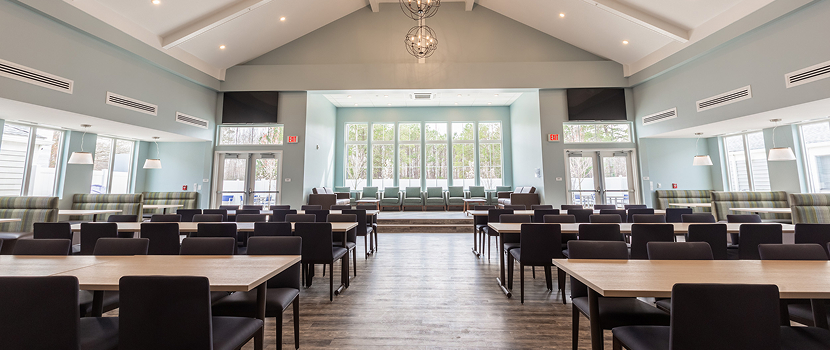
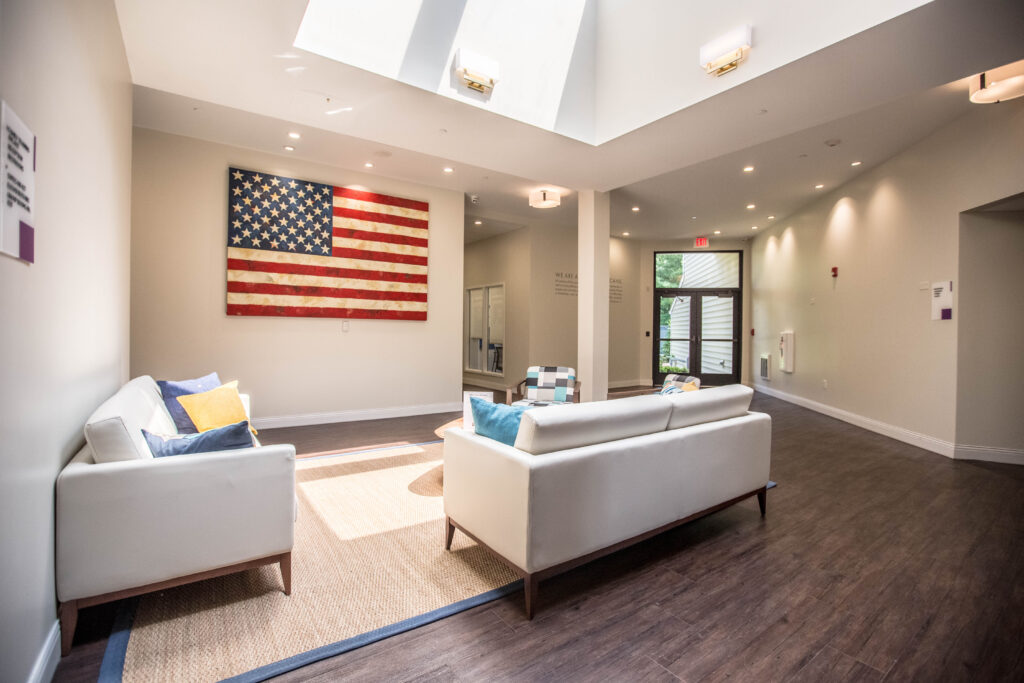
State of the Art Facilities
Our Maryland rehab facilities provide safe spaces to promote long-term healing from drug or alcohol addiction

Dignified living spaces
Meticulously maintained areas that provide comfort and
respect.

Dedicated treatment venues:
Thoughtfully designed areas for individual and group counseling sessions, meditation, and recreation.

Resources to streamline safe detox and ongoing health monitoring.
Dignified living spaces:
Meticulously maintained areas that provide comfort and
respect.

Dedicated treatment venues:
Thoughtfully designed areas for individual and group
counseling sessions, meditation, and recreation.
Clinical capabilities:
Resources to streamline safe detox and ongoing health
monitoring.
Success Stories & Testimonials
The effectiveness of the RCA approach is supported by the experiences of those who have engaged in treatment. We understand that recovery is different for everyone, and we deliver customized, science-backed treatment plans tailored to individual needs.
Click here to see many inspiring recovery stories from our alums. These accounts represent just a small number of the 79,500+ people we’ve helped on their addiction recovery journeys, as we continue moving toward our goal of helping one million people get sober and stay that way.
RCA in the Media
RCA has been widely acknowledged for an innovative approach to treatment and excellent
outcomes:

Ranked in Newsweek’s 2025 America’s Best Addiction Treatment Centers

National media coverage frequently highlights our practical approaches.

Commended for our outreach programs and community initiatives.
Frequently Asked Questions
What Can I Take With Me to Treatment?
If you’re considering residential rehab at RCA, here’s a basic packing list you can customize tosuit your needs:
- Clothing: Pack enough comfy clothing for 10 days. Make sure to include sleepwear
and exercise apparel. We have laundry facilities on site. - Personal care items: Ensure that all toiletries are alcohol-free and in their original
packaging. Electric razors are permitted. - Medications: All prescription drugs in original pharmacy containers must be labeled.
Medical professionals evaluate medications during admission. - ID and insurance: Photo ID, insurance cards, and healthcare documentation.
- Contact information: Phone numbers and addresses of contacts.
Do not bring these items to RCA:
- Perfume or mouthwash that contains alcohol.
- Unapproved opioid medications.
- Weapons.
- Expensive jewelry or lots of cash.
- Cameras or devices with internet connectivity.
You will receive a detailed packing list during the admissions process.
How Long Does Treatment Last?
Treatment duration hinges on personal and medical needs, treatment goals, and recommendations from clinical staff. Timelines are general and vary from person to person:
- Detoxification: From five to 10 days, depending on withdrawal severity and the substance.
- Inpatient rehab: Between seven and 21 days, with longer durations possible, based on clinical necessity and insurance approval.
- PHP: From two to four weeks, with therapy sessions five days each week.
- IOP: Generally, six to eight weeks, with three to five weekly therapy sessions.
Our patients work with addiction specialists and medical professionals to determine the
optimal treatment lengths for your circumstances and recovery goals. Plans can be tweaked
as needed throughout the process and are individualized based on clinical and medical
needs.
What Is Inpatient Drug Rehab?
Inpatient, including detox and residential, rehab is a structured and immersive program to treat addiction that includes:
- Initial assessment
- 24-hour care
- Medical detox
- Continuous clinical and emotional care
- Evidence-based and holistic practices
- Setting it free of triggers and distractions
- Supportive peer community
Inpatient drug rehab is the most intensive form of addiction treatment on ASAM’s continuum of care.
Is Maryland a Good State for Treatment?
Maryland rehabs offer many benefits for people seeking addiction treatment, including:
- Varied treatment options.
- Multiple research institutions.
- Customized healthcare policies.
- Supportive recovery community.
- First-class addiction specialists.
These aspects make Maryland an excellent location for anyone seeking effective treatment for alcohol, drug, or prescription medication addiction.
Where to Go for Addiction Treatment
If you require help tackling any addiction, consider these elements:
- Healthcare providers: Your doctor may perform screenings or refer you to a specialist. They may also help with medication-assisted treatment (MAT).
- ER departments: Hospital emergency rooms can address acute needs, helping people connect with suitable treatment resources.
- Maryland substance use helpline: Call 866-210-1303 to get referrals to drug and alcohol rehabs or confidential information about addiction and recovery.
- Insurance providers: Your health insurer can help you find in-network treatment providers.
- Direct admissions: Many drug and alcohol rehabs in Maryland, including RCA, offer 24/7 admissions. The best rehabs all provide comprehensive evaluations to determine the right level of care for your needs.
- Community organizations: Peer-based support groups are helpful in directing individuals to the right treatment options.
There is no single pathway to addiction recovery. The best level of care depends on personal
factors, addiction, withdrawal intensity, co-occurring conditions, and insurance coverage.
Does Insurance Cover the Costs of Treatment in Maryland?
Maryland Medicaid provides coverage for addiction treatment at all levels of intensity for eligible individuals. Medicare offers coverage for inpatient and outpatient programs with deductibles and co-payments.
Insurance from the Maryland Health Insurance Marketplace includes addiction treatment as a core health benefit. RCA collaborates with major health insurance carriers to provide insurance verification services before admission. Financial counselors will help explain payment options, out-of-pocket expenses, and assistance programs for Maryland residents who require treatment for substance use disorders.
Taking the First Step Toward Recovery
If you require help with evidence-based addiction treatment in Maryland, contact RCA today.
Choosing the Right Level of Care
TL;DR: Treatment pathways range from fully immersive 24/7 clinical environments to flexible, part-time schedules. Inpatient Residential offers the highest level of stabilization and safety. PHP (Partial Hospitalization) provides full-day clinical structure while allowing you to sleep at home. IOP (Intensive Outpatient) balances structured therapy with daily work or family life, and standard Outpatient serves as a flexible maintenance step for long-term recovery.
| Care Feature | Inpatient Residential | PHP (Partial Hospitalization) | IOP (Intensive Outpatient) | Outpatient & Telehealth |
|---|---|---|---|---|
| Clinical Intensity |
|
|
|
|
| Average Duration |
|
|
|
|
| Cost & Insurance |
|
|
|
|
| Primary Outcomes |
|
|
|
|
Sources
[1] ASAM – About the ASAM criteria
[2] NIH – Overview, essential concepts, and definitions in detoxification
[3] ScienceDirect – A systematic review and meta-analysis of the efficacy of the long-term treatment and support of substance use disorders
[4 ]NCDAS – Drug Abuse Statistics
[5] NCDAS – Alcohol Abuse Statistics
[6] NIH—Cognitive behavioral therapy for substance use disorders