
Why helping an alcoholic family member matters
While your family member is suffering through alcohol addiction, you are likely suffering as well. You may feel helpless and frustrated as you watch them continue to harm themselves. Most of all, you probably feel the weight of the responsibility that comes with caring for someone struggling with addiction to alcohol.
You, your family member, and everyone else who is affected by their disorder has probably lost a sense of normalcy, peace, and trust. If you’re longing for the day when you can again experience restored family relationships and a peaceful home environment, it is important to not lose hope. Instead, focus on how much your support matters, take action to get the person the help they need, and stay involved throughout their treatment, assisting them as well as engaging in your own recovery.
The right kind of support is important to consider when trying to be there for your loved one. While approaches to helping loved ones get care may differ, there is one approach that is never helpful: ignoring the problem or fundamentally assisting the patient to continue in the addiction.
Addiction is a disease that affects the body and mind and although it may feel right (or even feel supportive) to provide your loved one with extra money to pay bills or to cover for their work or social failures (like calling in sick for them), those are not solutions that will treat the disease or lead to lasting change. In fact, those types of support will allow your loved one to prolong alcohol dependence. Protecting and providing for your loved one is about getting them help, not about covering up the problem.
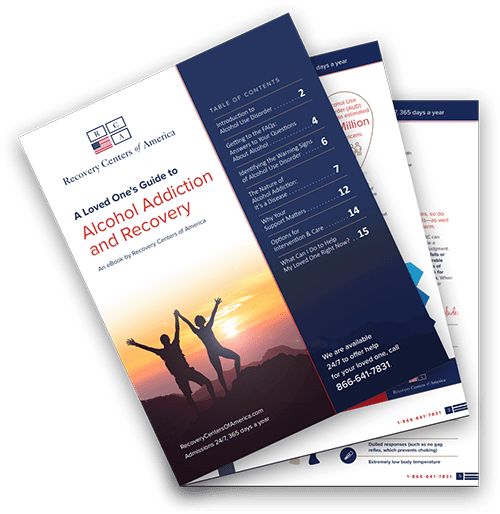
Does your loved one need addiction treatment?
We’re here 24/7.
Options for intervention & care
Diverse options for inpatient and outpatient treatment exist and should allow your loved one to get help when, where, and how they need it.
What are your family member’s options?
- Professional intervention. An intervention isn’t about confrontation – it’s about finding a full family solution. It’s heart-breaking to watch addiction consume a loved one, and there are a lot of factors that go into the decision to pursue treatment. A professional interventionist can work with you pull together a support system of people who can deliver a clear-cut plan to your loved one.
- detoxification. detoxification is the process of medically stabilizing patients while drugs and alcohol leave their system. An initial medical evaluation will determine whether this is a step that your loved one will need. If so, a medically safe withdrawal will be facilitated for them while helping to ease the discomfort often associated with withdrawal symptoms. Detox alone is never considered a full course of treatment, but it may be a necessary first step before additional care can be delivered.
- Residential or inpatient services. Many patients require intensive, structured support in the initial stages of recovery, such as inpatient services. During this time, your loved one will be provided with a variety of treatments including individual and group therapies, seminars, workshops, and various recovery meetings. In addition, you and your loved one should be able to participate in family programming to ensure that you can stay connected, involved, and educated throughout the whole process.
- Day Treatment or Partial Hospitalization: Partial hospitalization is an option is for patients who do not require a residential stay to successfully begin recovery but still require high levels of support and treatment. Your loved one can live at home while receiving 25 hours of on-campus treatment per week.
- Intensive outpatient Programs: Intensive outpatient programs allow patients who have established initial recovery to go back to their everyday lives while continuing to receive extended ongoing support and treatment by attending individual and group sessions, typically three days a week for approximately 3-5 hours a day.
- Traditional outpatient Programs: Traditional outpatient programs allow patients to continue to get professional support while engaging in every aspect of their everyday lives. Typically, this entails one individual session and one group session per week. Patients often continue in traditional outpatient therapy for their full first year of recovery.
What can I do to help my loved one right now?
- 24/7 Call Recovery Centers of America any time for a free assessment or to learn more about our treatment options.
- We are available 24/7 to offer help for your loved one, so call 877-520-9659 today.
- Remember that alcohol use disorders are treatable and you have the power to take action. There is hope for your loved one and with proper assessment and treatment, recovery is within reach.