
South Carolina
Drug & Alcohol Rehab in South Carolina: A Complete Guide to Recovery


-
 Written by: Alexandra Talarico
 - Clinically Reviewed by: Pete Vernig
- Compliance Reviewed by: Marianne Birmingham



RCA South Carolina Quick Facts:
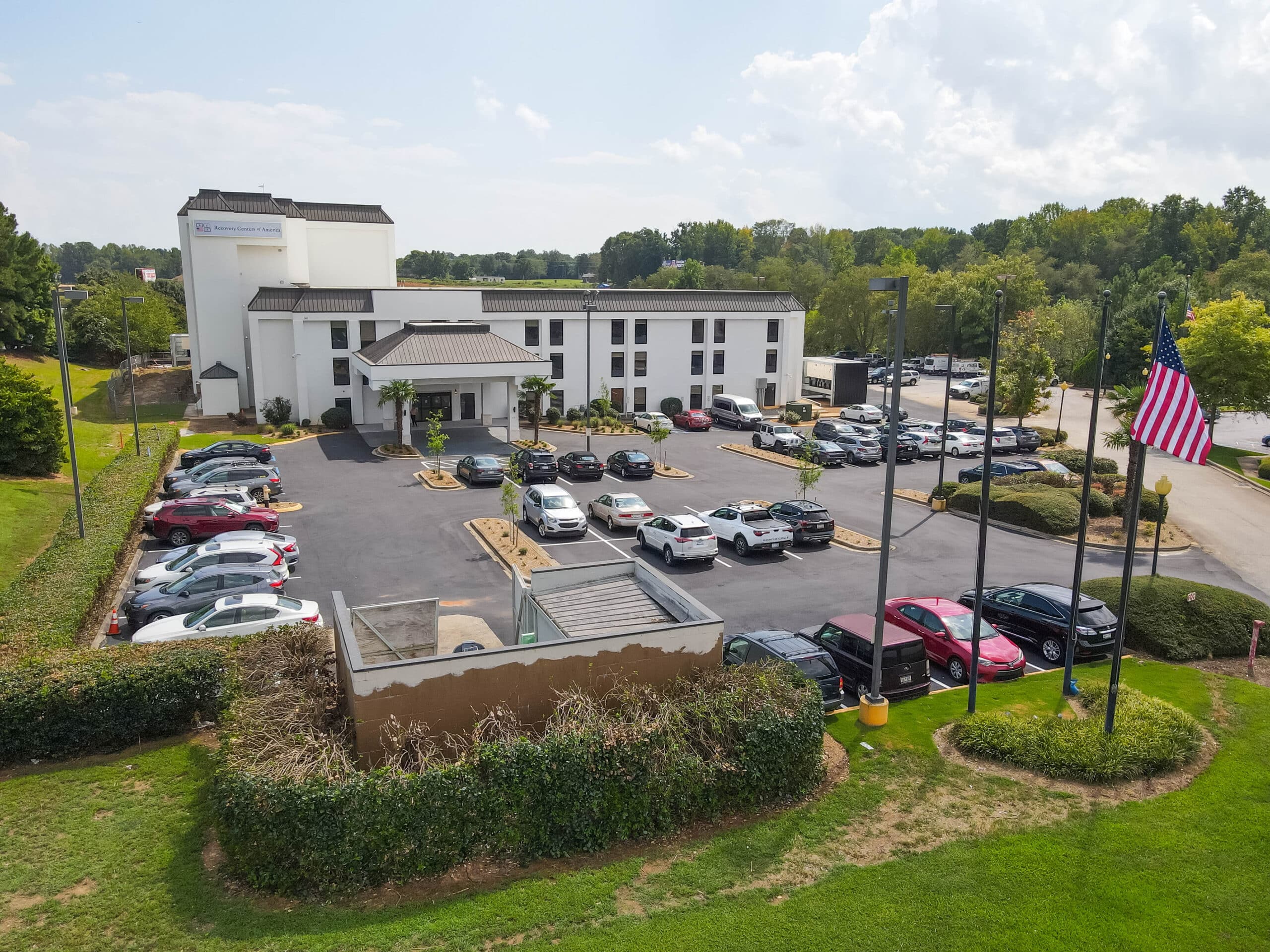
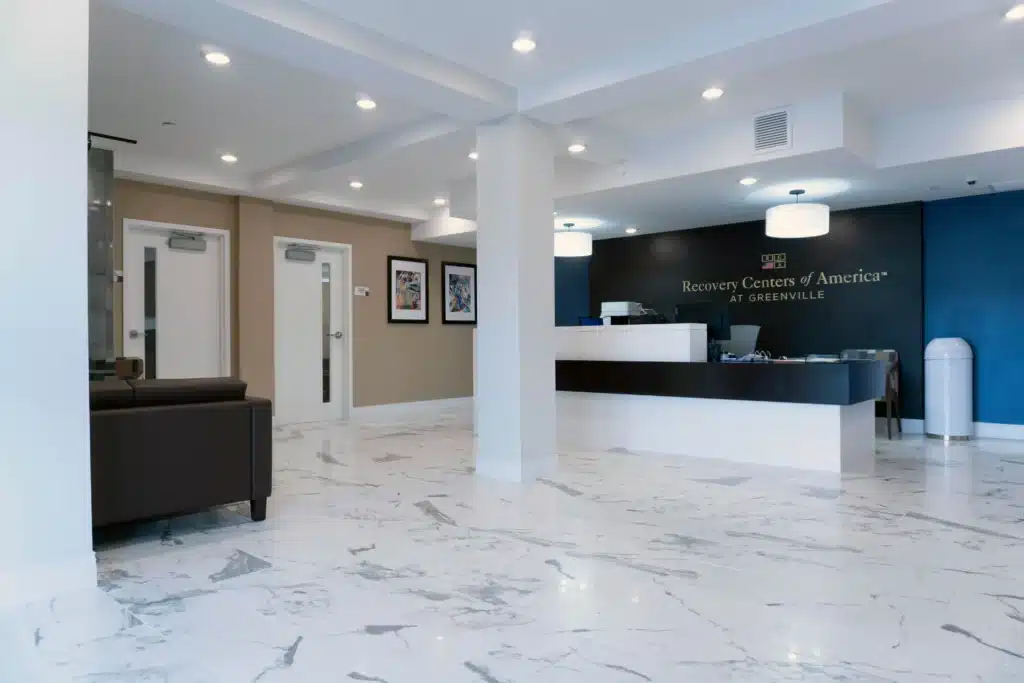
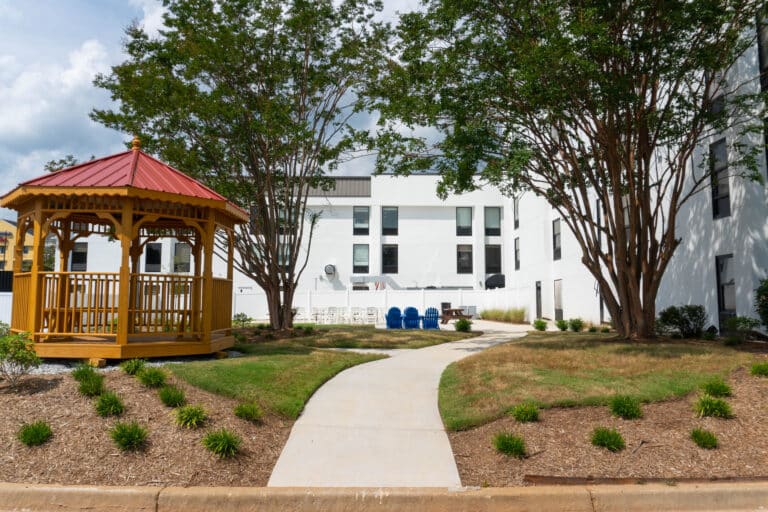
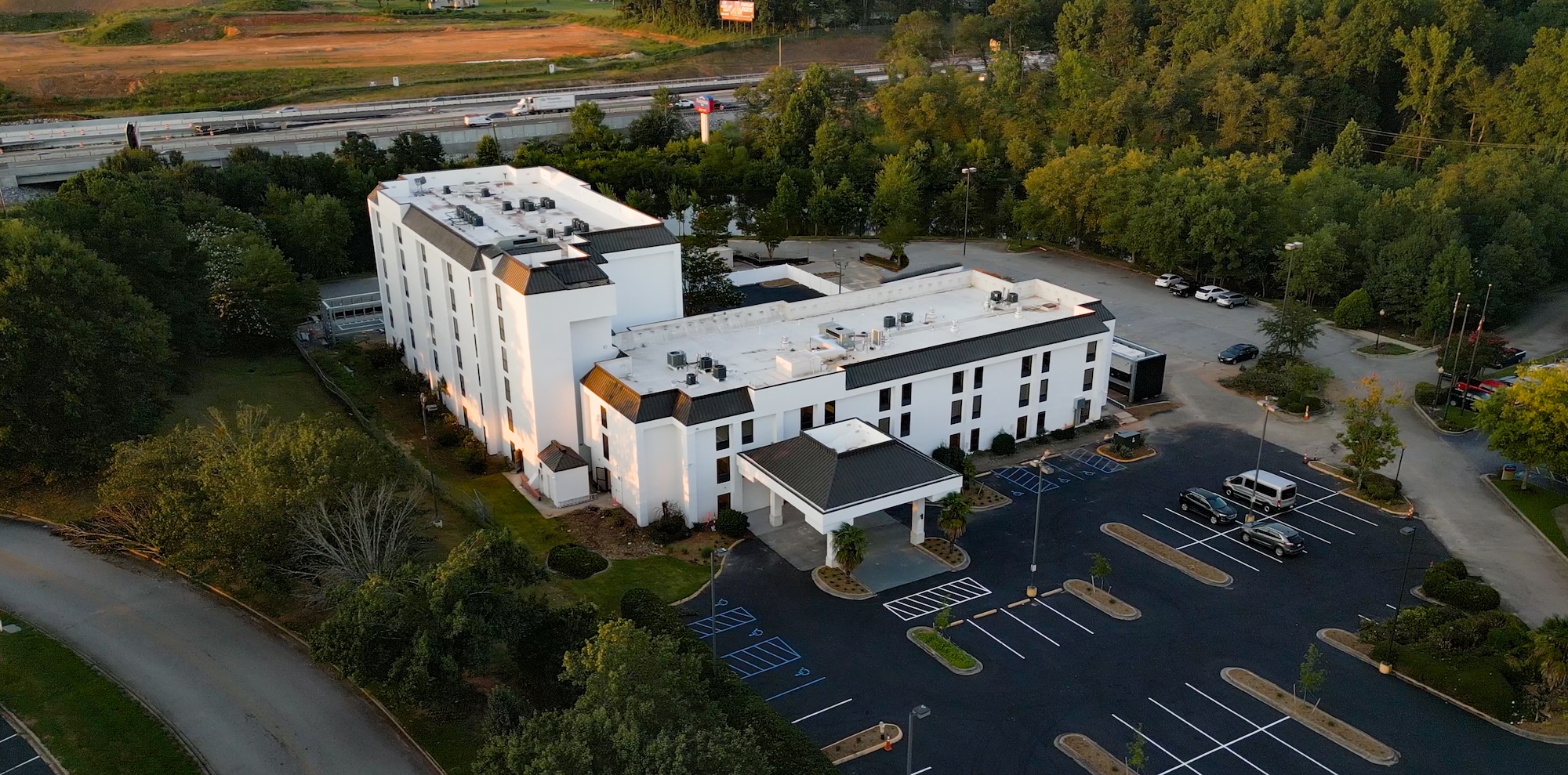
Recovery Centers of America at Greenville provides comprehensive addiction treatment in South Carolina. This Joint Commission-accredited facility offers medical detoxification, residential treatment, partial hospitalization, intensive outpatient programs, and sober living. Located in the heart of South Carolina’s Upstate, the Greenville center supports individuals across the Palmetto State and beyond with evidence-based treatment delivered in a calm, supportive setting designed for healing.
Seeking addiction treatment is one of the bravest decisions you can make, and it’s normal to have questions or uncertainty about what comes next. South Carolina offers evidence-based treatment options designed to support recovery at different stages and levels of need. This page provides clear, practical information to help you understand available care and decide what support may be right for you or someone you love.
The Reality of Addiction in South Carolina
A Growing Crisis Demands Effective Solutions
South Carolina has witnessed a troubling rise in substance-related deaths over the past decade [1]. Opioid overdoses have claimed thousands of lives statewide, and alcohol-related fatalities continue to devastate families across every county. Rural communities face challenges accessing care, while urban centers struggle with capacity.
These numbers represent real people: parents, siblings, friends, and colleagues. People who needed help and couldn’t find it or found it too late.
Statistics don’t tell the whole story, though. For every tragic loss, there are countless success stories. People who found treatment, embraced recovery, and rebuilt their lives. The same transformation is available to you.
Your Treatment Options: Inpatient vs. Outpatient Care
Choosing the right level of care [2] is one of the most important decisions in early recovery. Here’s a clear comparison to help you understand what each approach offers.

Comparing Inpatient and Outpatient Treatment
| Attribute | Inpatient (Residential) Treatment | Outpatient Treatment |
|---|---|---|
| Living Situation | You live on-site at the treatment facility 24/7 | You live at home or in our sober living |
| Duration | Typically lasts up to 30 days, varies person to person | Varies person to person. Typically PHP lasts 2 to 4 weeks and IOP lasts from 6 to 12 weeks |
| Time Commitment | Full-time immersion in treatment programming | Part-time: 3 to 6 hours daily (PHP/Sober Living/IOP) |
| Structure Level | Highly structured daily schedule with supervised activities | Flexible scheduling around work, school, or family |
| Medical Supervision | 24/7 medical staff on-site | Medical support during scheduled appointments |
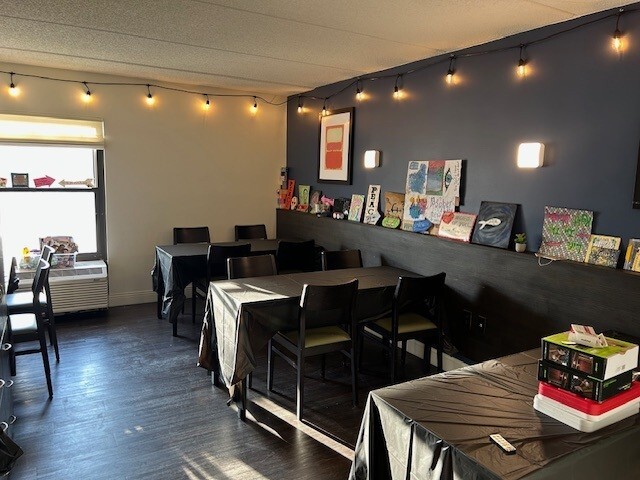
| Environment | Safe, structured, routine environment with comfortable living amenities including an entire floor dedicated to wellness | Live at home, working, attending school. Real-world environment with exposure to potential triggers |
| Insurance Coverage | Covered by most major insurance plans | Covered by most major insurance plans |
The right choice depends on your specific circumstances, clinical needs, and recovery goals. A thorough assessment helps determine where you should begin. Call 1.800.RECOVERY today and Recovery Centers of America’s 24/7 treatment advisors will guide you.
Locations
Our South Carolina Addiction Treatment Center Locations
Greenville, SC
47 Fisherman Ln,
Greenville, SC 29615
Treatment Offerings
- Medication Assisted Treatment (MAT), includes Methadone, Suboxone, and VIVITROL® Injection for Opiates & Alcohol
- Medically-Monitored Detoxification
- Residential Inpatient Treatment
Greenville, SC
47 Fisherman Ln,
Greenville, SC 29615
Treatment Offerings
- Medication Assisted Treatment (MAT), includes Methadone, Suboxone, and VIVITROL® Injection for Opiates & Alcohol
- Outpatient Treatment both In-Person and Virtual
- PHP, IOP, and Sober Living
RCA at Greenville: Your Guide to Recovery
At Recovery Centers of America at Greenville in South Carolina, we’ve built a treatment program around one core belief: you have the strength to recover. Our job is to give you the tools, support, and environment to make it happen.
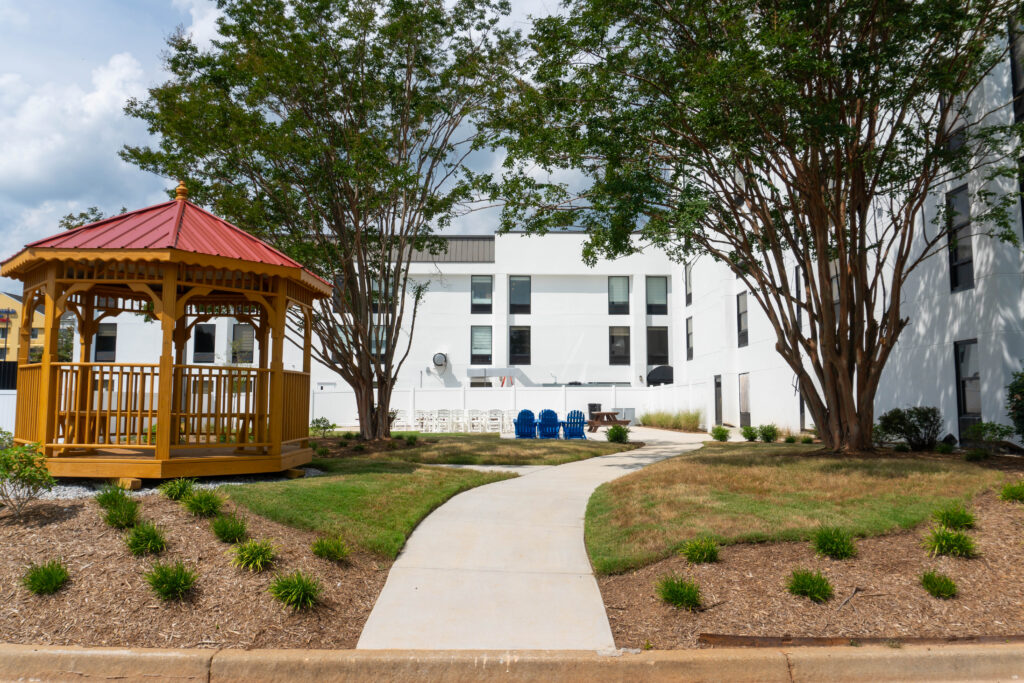
Medical Detoxification Services
Detox often marks the essential first phase of treatment for most people with physical dependence on drugs or alcohol [3].
At RCA at Greenville, medical detox includes:
- Around-the-clock monitoring by physicians and nurses trained in addiction medicine
- Medication protocols that minimize withdrawal discomfort and prevent dangerous complications
- Group counseling for shared support and understanding
- Nutritional support to help your body begin healing
- Compassionate care that treats you with dignity throughout the process
Attempting detox without medical supervision can be genuinely dangerous, particularly for alcohol or benzodiazepines. Our medical team ensures your safety while making the process as comfortable as possible.

Residential Treatment Programs
Our residential program creates an immersive healing environment many people need to break free from addiction’s grip.
RCA at Greenville residential treatment features:
- Semi-private accommodations in a comfortable, home-like setting
- Structured daily programming balancing therapy, education, wellness, and rest
- Group therapy sessions that build connection and mutual support
- Individual counseling with licensed addiction specialists
- Family programming that helps repair relationships damaged by addiction
- An entire wellness floor dedicated to fitness activities, mindfulness practices, and creative expression
The upstate Greenville location offers a peaceful backdrop for recovery work, removed from the environments and associations tied to your substance use.

Partial Hospitalization Program (PHP)
PHP delivers intensive treatment while allowing you to return home each evening. This level of care works well as a step-down from residential treatment or as a starting point for those with strong recovery support systems.
RCA at Greenville PHP includes:
- 5 days of programming weekly
- 5 to 6 hours of structured treatment daily
- Individual and group therapy sessions
- Psychiatric services and medication management
- Life skills development and relapse prevention training

Intensive Outpatient Program (IOP)
IOP provides robust therapeutic support while accommodating work, school, and family responsibilities.
RCA at Greenville IOP features:
- 3 to 5 days of programming weekly
- 3 to 4 hours of treatment per session
- Evidence-based individual and group therapies
- Flexible morning and evening scheduling options
- Continuing care planning and community resource connection

Sober Living
RCA’s Sober Living provides a safe and structured place to live while participating in outpatient addiction treatment, helping individuals stay focused on recovery when home or social environments make it harder to succeed. Residents actively engage in PHP or IOP care, peer support, recovery-focused activities, and community connections to help build independence, accountability, and real-world skills that will support lasting recovery beyond treatment.

Telehealth Options
Virtual treatment expands access for South Carolinians facing geographic, transportation, or scheduling barriers. RCA’s telehealth services deliver many of the same therapeutic interventions through secure video platforms, making evidence-based care available regardless of location.

Our Treatment Philosophy
There’s no single path to recovery. At Recovery Centers of America, treatment is tailored to your needs, recognizing that your experiences, circumstances, and reasons for seeking help are your own.
Personalized Treatment Pathways
01
Foundations of Recovery
For those new to treatment, this pathway builds core recovery skills from the ground up. You’ll learn about addiction as a brain disease, develop healthy coping strategies, and establish the foundation for lasting change.
02
Fresh Start
If you’ve been through treatment before, this pathway acknowledges your experience while helping you identify what went wrong and build stronger strategies for success this time.
03
Balance
For people managing both addiction and mental health conditions like depression, anxiety, PTSD, or bipolar disorder, this integrated approach treats both conditions simultaneously, because addressing one while ignoring the other rarely produces lasting results.
01 Foundations of Recovery
For those new to treatment, this pathway builds core recovery skills from the ground up. You’ll learn about addiction as a brain disease, develop healthy coping strategies, and establish the foundation for lasting change.
02 Fresh Start
If you’ve been through treatment before, this pathway acknowledges your experience while helping you identify what went wrong and build stronger strategies for success this time.
03 Balance
For people managing both addiction and mental health conditions like depression, anxiety, PTSD, or bipolar disorder, this integrated approach treats both conditions simultaneously, because addressing one while ignoring the other rarely produces lasting results.

Evidence-Based Therapies
01CBT (cognitive behavioral therapy)
This approach helps you identify the thoughts and beliefs that drive addictive behaviors [4]. You’ll learn to recognize cognitive distortions, challenge unhelpful thinking patterns, and develop healthier responses to triggers and cravings.
02 DBT (dialectical behavior therapy)
DBT teaches practical skills in four areas: mindfulness (staying grounded in the present), distress tolerance (surviving crises without substances), emotional regulation (managing feelings without being overwhelmed), and interpersonal effectiveness (communicating needs and maintaining relationships).
03 Motivational Interviewing
This collaborative approach helps you explore and resolve ambivalence about change. Rather than pressuring or confronting, your therapist guides you toward discovering your own compelling reasons for recovery.
04 Trauma-Informed Care
Many people with addiction carry histories of trauma, such as childhood abuse, violence, accidents, or loss. Our trauma-informed approach recognizes these connections and creates safe conditions for healing without re- traumatization.


Medication-Assisted Treatment
When clinically appropriate, RCA engages FDA-approved medications for opioid and alcohol use disorders to dramatically improve treatment outcomes when combined with therapy.

Buprenorphine
- This partial opioid agonist reduces cravings and prevents withdrawal without producing euphoria. Available as daily tablets or films, or as extended-release monthly injections.
Naltrexone
- This opioid antagonist blocks the effects of opioids completely. Available as a daily pill or monthly injection (Vivitrol). Requires complete detoxification before starting.
Buprenorphine
- This partial opioid agonist reduces cravings and prevents withdrawal without producing euphoria. Available as daily tablets or films, or as extended-release monthly injections.
Naltrexone
- This opioid antagonist blocks the effects of opioids completely. Available as a daily pill or monthly injection (Vivitrol). Requires complete detoxification before starting.

Naltrexone:
- Reduces cravings and blocks the rewarding effects of alcohol, making it easier to maintain abstinence.
Acamprosate:
- Helps normalize brain chemistry disrupted by chronic alcohol use, reducing protracted withdrawal symptoms.
Disulfiram
- Creates an unpleasant physical reaction when combined with alcohol, serving as a powerful deterrent for highly motivated individuals.
Naltrexone:
- Reduces cravings and blocks the rewarding effects of alcohol, making it easier to maintain abstinence.
Acamprosate:
- Helps normalize brain chemistry disrupted by chronic alcohol use, reducing protracted withdrawal symptoms.
Disulfiram
- Creates an unpleasant physical reaction when combined with alcohol, serving as a powerful deterrent for highly motivated individuals.
These medications do not substitute one addiction for another. Rather, they’re evidence- based tools that give your brain the support it needs while you build new patterns of living.
180+ 5-STAR GOOGLE REVIEWS
What Our Patients Say
What Our Patients Say

This facility does a fantastic job of supporting transitional outpatient care. I’ve heard their inpatient program is stellar as well. The process groups ran by Ms. Vee are particularly well-ran and her ability to support an empathetic space for shared vulnerability while modeling boundaries is vital for healing and growth for patients. I’m thoroughly impressed by the work that RCA is doing for people who are so often overlooked in our community.
- SHANNA
My experience at RCA was absolutely lovely. I enjoyed being a part of their program. Their staff and medical team were extremely helpful and kind. They were all concerned about your needs, and they were always there if you needed a shoulder to cry on. I think it is a great recovery center, and I recommend anyone come here if they are struggling.
- EMILY
This place was my heaven on earth. Can't imagine starting my recovery at any other facility. The staff made me feel like family and I never felt judged by anyone. The food tastes like it's prepared by a gourmet chef. I would recommend them to anyone seeking treatment without reservation.
- DEREK
This place saved my life. The staff is out of this world. In the worst moments of my addiction they were there, walking me through detox. The kitchen staff is also fabulous. The food is great. I would totally recommend this facility to anyone struggling with addiction! A HUGE thank you to all the staff at RCA!
- KAT
This facility does a fantastic job of supporting transitional outpatient care. I’ve heard their inpatient program is stellar as well. The process groups ran by Ms. Vee are particularly well-ran and her ability to support an empathetic space for shared vulnerability while modeling boundaries is vital for healing and growth for patients. I’m thoroughly impressed by the work that RCA is doing for people who are so often overlooked in our community.
- SHANNA
“My experience at RCA was absolutely lovely. I enjoyed being a part of there program. Their staff and medical team was extremely helpful and kind. They were all concerning about your needs and we're always there if you needed a shoulder to cry on. I think it is a great recovery center and recommend any one to come here if they are struggling.”
- EMILY
“This place was my heaven on earth. Can't imagine starting my recovery at any other facility. The staff made me feel like family and I never felt judged by anyone. The food tastes like it's prepared by a gourmet chef. I would recommend them to anyone seeking treatment without reservation.”
- DEREK
“This place saved my life. The staff is out of this world. In the worst moments of my addiction they were there, walking me through detox. The kitchen staff is also fabulous. The food is great. I would totally recommend this facility to anyone struggling with addiction! A HUGE thank you to all the staff at RCA!”
- KAT
Family Involvement
Addiction impacts the entire family. Our family programming helps loved ones:
- Understand addiction as a medical condition rather than a moral failing
- Recognize enabling behaviors and establish healthy boundaries
- Process their own pain, anger, and grief related to your substance use
- Develop communication skills that support recovery rather than triggering relapse
- Become active partners in your ongoing healing
When families engage in education and support alongside their loved ones, outcomes improve significantly for everyone involved.

What Recovery Makes Possible
Close your eyes for a moment and imagine your life one year from today if you act now.
You wake up clearheaded, without the fog that used to follow you through every morning. Your body feels different. It feels stronger, healthier, more alive. Sleep comes easier and refreshes you.
The relationships you feared were permanently damaged are healing. You’ve shown up consistently, made amends where possible, and demonstrated that you’ve changed. Trust is being rebuilt, conversation by conversation, day by day.
You have real tools for handling stress, disappointment, and difficult emotions. When cravings surface (and they will, especially early on), you know what to do. You have phone numbers to call, meetings to attend, skills to use. You have a plan.
Maybe you’ve returned to work you find meaningful or discovered a new direction entirely. Perhaps you’ve reconnected with interests and passions.
You’re part of a community. People who understand what you’ve been through because they’ve walked the same road. You give back by sharing your experience with others just starting their journey.
This isn’t fantasy. It’s what recovery looks like for thousands of people who once sat exactly where you’re sitting now. It can be your reality too.
State and Local Resources
- South Carolina Department of Alcohol and Other Drug Abuse Services (DAODAS) – Oversees prevention, intervention, and treatment services County alcohol and drug abuse authorities can connect residents with local resources.
- 211 South Carolina – Dial 211 for confidential referrals to treatment providers, support groups, and social services.
Frequently Asked Questions
What does the admissions process involve?
Admissions begins with a confidential phone call to our 24/7 admissions team. We’ll gather basic information about your situation, verify your insurance benefits, and conduct a preliminary assessment to recommend the appropriate level of care. Many people complete admission and begin treatment the same day they call.
Will my insurance cover treatment at RCA?
Most major insurance plans provide coverage for addiction treatment. RCA is in network with most major insurance providers and offers complimentary verification to help you understand your benefits before admission. Our team will explain your coverage, including any deductibles or copays, so there are no surprises.
How long will treatment take?
Treatment duration varies based on individual needs. Medical detox typically lasts 3 to 10 days. Residential treatment typically lasts up to 30 days depending on clinical recommendations. Outpatient programs may continue for several weeks to months. Your care team will recommend a timeline and adjust as needed based on your progress.
Can family members visit during residential treatment?
Yes. Family involvement is encouraged and beneficial for recovery, but a signed ROI is required. Specific visitation schedules and guidelines will be provided during admission. Family members can also participate in family education sessions and educational programming.
What happens after I complete treatment?
Continuing care planning begins early in treatment. Before discharge, you’ll have a concrete aftercare plan including outpatient therapy appointments, support group meetings, sober living arrangements if needed, and strategies for maintaining recovery. RCA’s alumni program provides ongoing connection and support.
Do you treat co-occurring mental health conditions?
Yes. Our Balance pathway provides integrated treatment for addiction and co-occurring mental health conditions including depression, anxiety, PTSD, bipolar disorder, and others. Psychiatric evaluation and medication management are available as part of comprehensive care.
Is my treatment confidential?
Federal law (42 CFR Part 2) provides strong confidentiality protections for addiction treatment records. Your information cannot be shared without your written consent except in very limited circumstances. We take your privacy seriously.
What if I’ve been to treatment before and relapsed?
Previous treatment experience doesn’t disqualify you from future success. Our Fresh Start pathway is explicitly designed for relapse prevention, and people who have been through treatment before, helping you identify what contributed to relapse and build stronger recovery skills. Many people require multiple treatment episodes before achieving lasting sobriety. This is the nature of addiction as a chronic condition.
Taking the First Step Today
Recovery Centers of America at Greenville is ready to support you today. Our admissions team answers calls day and night, every day of the year.
You don’t have to have everything figured out. You don’t have to hit rock bottom. You just need to be willing to try something different.
Call RCA today at 1.800.RECOVERY. The life you want is waiting for you.