
- A Comprehensive Guide
Drug & Alcohol Rehab in Devon, Pennsylvania
Residents of the Philadelphia Main Line, dependent on alcohol, prescription drugs, or illicit substances have multiple pathways toward healing and recovery. Throughout the Keystone State, therapeutic facilities offer scientifically validated treatment protocols, personalized recovery roadmaps, and nurturing communities that streamline sustainable transitions from addiction to long-term wellness.
This comprehensive overview explores Philadelphia’s rehabilitation options, from structured residential programs to adaptable outpatient services, addressing both substance dependencies and concurrent psychological conditions. Discover how to connect with compassionate, effective care customized to address your specific recovery needs.
-
 Written by: Alexandra Talarico
 -
 Clinically Reviewed by: Pete Vernig
 -
 Compliance Reviewed by: Marianne Birmingham

Now Offering Primary Mental Health Care
Residential Treatment Programs in Pennsylvania
Comprehensive inpatient rehab is the most structured recovery approach available [1]. This therapeutic model delivers continuous clinical oversight and emotional assistance within carefully designed therapeutic surroundings. Residential care proves especially valuable for individuals experiencing severe substance dependencies, those managing co-existing psychiatric diagnoses, or anyone requiring medically supervised detoxification processes.
Fundamental Components of Residential Care
While Philadelphia residential facilities each have distinctive characteristics, most incorporate these essential therapeutic elements:
Holistic assessment

Treatment specialists perform detailed evaluations examining psychological functioning, physical well-being, substance use histories, and life circumstances to develop personalized treatment frameworks. These assessments determine whether medical detoxification should precede therapeutic intervention.
Clinically monitored withdrawal

Throughout supervised detoxification, medical professionals track withdrawal progression while providing therapeutic support to reduce discomfort and manage symptoms, creating safer transitions for individuals physically dependent on substances [2].
Proven therapeutic modalities

Devon treatment facilities provide personalized counseling and structured group interventions addressing psychological aspects of dependency. Programs typically employ various motivational techniques alongside psychotherapies such as CBT (cognitive behavioral therapy) and DBT (dialectical behavior therapy).
Pharmacological supports

Medication-assisted recovery combines approved pharmacological interventions with psychological therapies for alcohol and opioid dependencies. These medications help reduce withdrawal severity, manage cravings, and address concurrent conditions.
Integrative healing approaches

Premier Devon facilities enhance evidence-based treatments with complementary modalities supporting comprehensive wellness. These include meditation practices, tension-reduction techniques, expressive arts therapies, and dietary guidance.
Family system healing

Acknowledging addiction’s impact throughout family networks, treatment incorporates family members in recovery processes, improving communication dynamics, addressing conflicts, and facilitating healthier family functioning after treatment completion.
Devon’s residential environments create protected, trigger-free spaces where individuals address substance use disorders and concurrent mental health concerns while establishing foundations for long-term recovery.
Outpatient Treatment Services in Devon, Pennsylvania
Devon’s outpatient addiction services deliver accessible, affordable recovery options with variable intensity levels, enabling individuals to fulfill daily obligations while engaging in personalized treatment aligned with existing responsibilities.
For those initiating recovery in Devon, Pennsylvania, outpatient alternatives include these structured frameworks:

PHPs (partial hospitalization programs)
As the most comprehensive outpatient option, PHPs generally provide:
- Daily clinical sessions (5 days weekly).
- Extended treatment periods (4 to 6 hours daily).
- Complete clinical supervision without overnight stays.
- Therapeutic interventions paralleling residential care.

IOP (intensive outpatient program)
Functioning effectively as either primary intervention or transitional care following more intensive treatment, Pennsylvania IOPs typically include:
- Regular weekly therapy engagement (3 to 5 days).
- Meaningful daily treatment duration (4 to 6 hours per session).
- Integrated group and individual therapeutic approaches.
- Comprehensive relapse prevention and coping skill development.

Virtual addiction treatment services
Virtual addiction treatment expanded considerably throughout Devon following the 2020 pandemic. These digital therapeutic options typically provide:
- Remote clinical access and recovery assistance.
- Flexible scheduling accommodating individual needs.
- Solutions addressing transportation limitations.
- Results comparable to traditional approaches for appropriate candidates
Benefits of Progressive Care Transitions
Research consistently demonstrates that extended treatment engagement correlates with improved long-term outcomes [3]. The care continuum guides individuals from higher-intensity interventions toward progressively independent recovery management, establishing durable foundations for sustained wellness.
Progressive care models offer several advantages:
- Structured step-down process: Methodical transitions through decreasing intensity levels allow implementation of recovery strategies with gradually reduced support, building independence and confidence.
- Consistent therapeutic relationships: Ongoing structured treatment provides continued professional guidance and accountability during vulnerable early recovery phases.
- Responsive treatment modification: Care intensity adjusts according to evolving recovery needs and goals, with support levels increasing during challenging periods.
- Sequential capability development: Each treatment phase reinforces skills established in previous settings, helping individuals master essential tools to maintain long-term recovery.
While not universally required, most people benefit from graduated treatment approaches providing appropriate support during transitions from active addiction to established recovery. Initial clinical evaluations determine ideal treatment pathways based on individual
circumstances.
Local Resources and Community Support
Effective recovery continues beyond the formal conclusion of treatment. Devon offers diverse community-based support, helping individuals consolidate therapeutic gains and connect with resources, streamlining successful transitions to independent recovery management.
Peer Support Groups

Multiple peer support groups throughout Devon offer encouragement, guidance, and connection with others sharing personal recovery experiences:
Recovery Community Organizations

Pennsylvania hosts active recovery community organizations offering:
- Substance-free social activities.
- Peer recovery coaching services.
- Recovery advocacy initiatives.
- Assistance in accessing housing, education, and employment resources.
Support Services

Additional recovery supports throughout Devon include:
- Professional recovery coaching.
- Transitional recovery housing.
- Vocational rehabilitation services.
- Healthcare system navigation assistance.
Substance Abuse: Pennsylvania Drug Abuse Statistics
Pennsylvania faces an unprecedented public health emergency related to opioid substance use disorder [4]. In 2021, the state documented 5,168 overdose-related fatalities, translating to approximately 14 lives lost each day. Without addressing significant treatment accessibility gaps, epidemiological projections indicate this mortality rate will likely continue its upward trajectory.
Extended opioid exposure presents numerous physiological and psychological health risks:
- Neurological impacts, including clinical depression and brain structure alterations.
- Hepatic complications and compromised liver function.
- Cardiovascular system deterioration.
- Bloodborne pathogen transmission (particularly hepatitis C) through shared injection equipment.
- HIV acquisition risk through parenteral exposure.
- Cognitive function impairment.
- Respiratory depression leads to a potentially fatal overdose.
Research into acquisition patterns reveals trends in how prescription opioids circulate within communities. These medications frequently transition from legitimate medical use to unauthorized consumption through informal social networks.
Approximately 70% of individuals misusing prescription medications report obtaining them through family members or acquaintances. For adolescents specifically, household medicine storage areas are the primary access point for these substances.
Why Choose RCA?
If you’re considering recovery initiation in Pennsylvania while experiencing uncertainty about the first steps, numerous compelling reasons exist to begin treatment with RCA.
Our Approach
RCA integrates scientifically validated interventions with holistic treatments, promoting comprehensive healing from even severe substance use disorders.
Specialized Recovery Pathways
RCA provides three distinct treatment pathways addressing different recovery stages:
01
Foundations of Recovery
Those who have never previously engaged in addiction treatment can learn about the neurobiological basis of addiction, explore the concepts of meaningful recovery, and set the stage for ongoing sober living. This pathway touches on the most common concerns of those participating in treatment for the first time.
02
Fresh Start
This approach is ideal for those who have already attended rehab. It consolidates the skills, coping mechanisms, and knowledge learned and focuses on effective relapse prevention and management strategies.
03
Balance
This is a specialized pathway that incorporates integrated dual diagnosis treatment for those with co-occurring mental health disorders. Research shows that treating both conditions at the same time delivers better outcomes than addressing addiction and mental health issues separately.
01 Foundations of Recovery
Those who have never previously engaged in addiction treatment can learn about the neurobiological basis of addiction, explore the concepts of meaningful recovery, and set the stage for ongoing sober living. This pathway touches on the most common concerns of those participating in treatment for the first time.
02 Fresh Start
This approach is ideal for those who have already attended rehab. It consolidates the skills, coping mechanisms, and knowledge learned and focuses on effective relapse prevention and management strategies.
03 Balance
This is a specialized pathway that incorporates integrated dual diagnosis treatment for those with co-occurring mental health disorders. Research shows that treating both conditions at the same time delivers better outcomes than addressing addiction and mental health issues separately.

Evidence-Based Treatments
RCA delivers customized treatment plans blending science-based therapies with complementary holistic methods.
01 Cognitive Behavioral Therapy (CBT)
CBT addresses addictions and co-occurring mental health conditions by transforming maladaptive thought patterns and behaviors.
- Foundational components: Analysis of automatic thought processes, strategic behavioral activation techniques, and development of sustainable coping mechanisms.
- Research support: Extensive clinical studies confirm CBT’s effectiveness across various substance dependencies.
- Implementation strategy: CBT principles are integrated throughout individual counseling and group therapy sessions.
- Recovery benefits: Builds core skills supporting sustained recovery maintenance.
02 Dialectical Behavior Therapy (DBT)
DBT uniquely balances acceptance-based practices with change-oriented strategies.
- Foundational components: Mindfulness cultivation, distress tolerance skill building, emotional regulation enhancement, interpersonal effectiveness development.
- Clinical applications: Particularly valuable for individuals with trauma histories and emotional dysregulation challenges.
- Implementation strategy: Coordinated individual therapy sessions complemented by specialized skills training groups.
- Recovery benefits: Enhanced emotional management capacity and reduced impulsive behavioral patterns.
03 Trauma-Informed Treatment
Many substance use disorders have roots in traumatic experiences, requiring specialized interventions including:
- Assessment protocols: Trauma-sensitive evaluation methodologies.
- Therapeutic approaches: Eye movement desensitization and reprocessing, Seeking Safety protocol, and additional evidence-based trauma-specific modalities.
- Treatment environment: Therapeutic settings are designed to maximize psychological safety.
- Integrated methodology: Concurrent addressing of both trauma impacts and substance use patterns.
04 Motivational Interviewing
This collaborative approach helps individuals resolve ambivalence toward positive behavioral change.
- Foundational components: Empathic therapeutic engagement, development of awareness regarding behavioral discrepancies, resistance reduction techniques, and self-efficacy enhancement.
- Clinical applications: Time-limited interventions compatible with concurrent treatment modalities.
- Effectiveness profile: Especially valuable during early recovery phases, enhancing treatment engagement and retention.
- Methodological approach: Collaborative rather than confrontational therapeutic stance.
05 Family Education and Coaching
Family involvement significantly enhances recovery outcomes through:
- Educational components: Helping families understand the neurobiological foundations of substance abuse, shifting from judgment to informed medical perspectives.
- Communication enhancement: Structured exercises develop healthier communication patterns.
- Boundary development: Establishing appropriate relational boundaries that protect family wellbeing while supporting recovery.
- Relationship healing: Teaching restorative practices addressing longstanding relational patterns affected by substance use.


Medication-Assisted Treatment in Pennsylvania
MAT (medication-assisted treatment) combines FDA-approved medications with behavioral therapies to manage alcohol and opioid use disorders effectively.

Methadone
- A long-acting agonist that reduces withdrawal symptom severity and craving intensity.
- Administered through daily dispensing at specialized clinics with progressive take-home privileges.
- Dispensed via federally regulated treatment programs.
- Particularly beneficial for those with severe, long-term opioid dependency.
Buprenorphine
- Partial opioid agonist that reduces withdrawal symptoms and cravings.
- Prescribed in office-based settings, improving the accessibility of treatment.
- Partial agonist that creates ceiling effects and reduces the risk of overdose.
- Available as a sublingual formulation or an extended-release injectable.
Naltrexone
- Works as an antagonist that blocks the euphoric effects of opioids.
- Non-addictive and has zero potential for abuse.
- An extended-release injectable that improves treatment adherence.
- The person needs to undergo detoxification before initiation.
- Ideal for motivated people committed to abstinence-based recovery.
Methadone
- A long-acting agonist that reduces withdrawal symptom severity and craving intensity
- Administered through daily dispensing at specialized clinics with progressive take-home privileges.
- Dispensed via federally regulated treatment programs.
- Particularly beneficial for those with severe, long-term opioid dependency.
Buprenorphine
- Partial opioid agonist that reduces withdrawal symptoms and cravings.
- Prescribed in office-based settings, improving the accessibility of treatment.
- Partial agonist that creates ceiling effects and reduces the risk of overdose.
- Available as a sublingual formulation or an extended-release injectable.
Naltrexone
- Works as an antagonist that blocks the euphoric effects of opioids.
- Non-addictive and has zero potential for abuse.
- An extended-release injectable that improves treatment adherence.
- The person needs to undergo detoxification before initiation.
- Ideal for motivated people committed to abstinence-based recovery.

Acamprosate:
- Reduces the symptoms of post-acute withdrawal and alcohol cravings.
- Helps normalize neurochemical disruptions from prolonged alcohol use.
- Typically well-tolerated with few side effects.
- Most effective if initiated after the person achieves abstinence from alcohol.
- Administered 3 times daily
- Safest option for those with significant liver disease.
Naltrexone:
- Reduces cravings and diminishes consumption-related reward responses.
- Available as a daily oral medication or a monthly injectable formulation.
- Can be initiated while individuals are still actively consuming alcohol.
- Particularly effective when combined with behavioral therapies.
- Preferred treatment option for those with concurrent alcohol and opioid use disorders.
Disulfiram
- Creates adverse physical reactions when combined with alcohol.
- Serves as a deterrent to alcohol consumption.
- Requires significant motivation and consistent medication adherence.
- Maximum effectiveness is achieved through supervised administration.
Acamprosate:
- Reduces the symptoms of post-acute withdrawal and alcohol cravings.
- Helps normalize neurochemical disruptions from prolonged alcohol use.
- Typically well-tolerated with few side effects.
- Most effective if initiated after the person achieves abstinence from alcohol.
- Administered 3 times daily.
- Safest option for those with significant liver disease.
Naltrexone:
- Reduces cravings and diminishes consumption-related reward responses.
- Available as a daily oral medication or a monthly injectable formulation.
- Can be initiated while individuals are still actively consuming alcohol.
- Particularly effective when combined with behavioral therapies.
- Preferred treatment option for those with concurrent alcohol and opioid use disorders.
Disulfiram
- Creates adverse physical reactions when combined with alcohol.
- Serves as a deterrent to alcohol consumption.
- Requires significant motivation and consistent medication adherence.
- Maximum effectiveness is achieved through supervised administration.
Integrated Psychosocial Approach
Practitioners understand that pharmaceutical interventions are just one element of successful recovery within Pennsylvania’s healthcare landscape. Effective treatment encompasses:
- Detailed assessment protocol: Conducting thorough evaluations to determine appropriate medication-assisted treatment candidacy through evidence-based screening tools.
- Ongoing clinical oversight: Implementing structured follow-up protocols to evaluate treatment efficacy and monitor potential adverse reactions.
- Therapeutic synergy: Employing integrated behavioral and pharmacological strategies addressing both physiological dependencies and underlying psychological factors.
- Community resource integration: Establishing connections with local support systems, enhancing long-term recovery sustainability.
- Recovery education: Providing clear information about medication mechanisms within the broader context of healing and wellness.

Experienced Staff
Our multidisciplinary professionals bring targeted expertise to each client interaction:
- Healthcare specialists: Certified addiction medicine physicians and specialized nurses and nurse practitioners managing medical protocols and pharmacological interventions.
- Therapeutic practitioners: Master level counselors with advanced certification in substance use disorders and co-occurring conditions, facilitating evidence-based therapeutic modalities.
- Recovery advocates: Staff members with lived experience providing authentic guidance and motivation throughout the treatment journey.
- Continuity specialists: Professionals dedicated to seamless transitions between levels of care and ongoing recovery maintenance planning.
- Complementary wellness practitioners: Specialists providing holistic approaches addressing physical wellbeing, nutritional health, mindfulness practices, and creative expression therapies.
This collaborative approach addresses all aspects of substance use disorders to promote whole-body healing.

State-of-the-Art Facilities
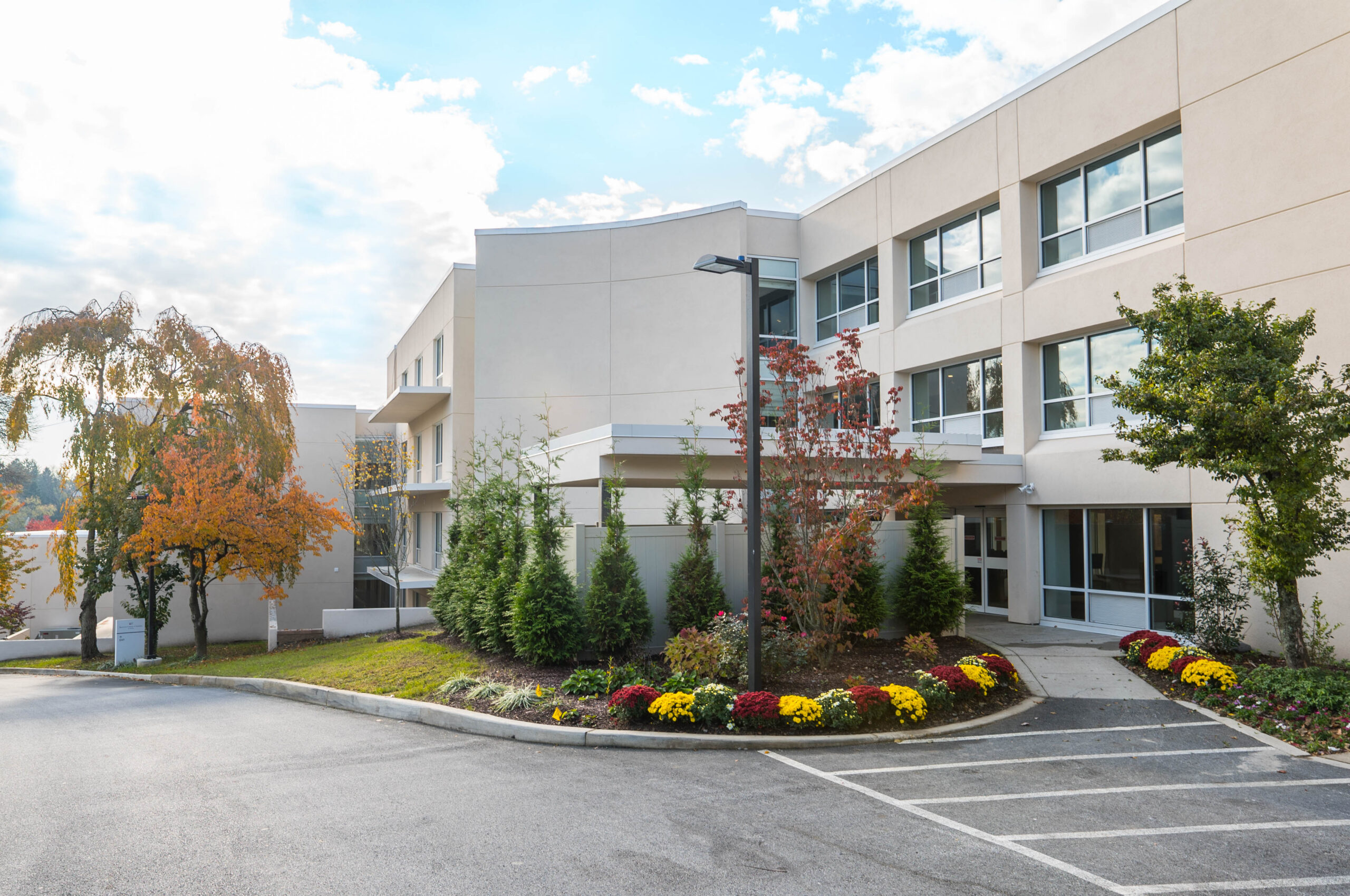
Our Devon, Pennsylvania, treatment facility creates restorative settings supporting sustainable recovery:

Dignified accommodations promoting comfort and emotional security. Amenities include a fitness center, on-site dietician, pet support services and visits, and spirituality services.

Carefully designed environments for individual therapy, group interventions, contemplative practices, and physical wellness activities

Comprehensive resources supporting medically-supervised detoxification and ongoing physiological monitoring.

Advanced systems enhancing treatment coordination, communication protocols, and educational resource access.
Dignified accommodations promoting comfort and emotional security. Amenities include a fitness center, on-site dietician, pet support services and visits, and spirituality services.

Carefully designed environments for individual therapy, group interventions, contemplative practices, and physical wellness activities.
Comprehensive resources supporting medically-supervised detoxification and ongoing physiological monitoring.
Advanced systems enhancing treatment coordination, communication protocols, and educational resource access.
Recovery Living
At RCA at Devon, we offer a supportive transitional housing program designed for individuals moving from inpatient treatment to Partial Hospitalization (PHP). This multi-week option bridges the gap between inpatient care and independent living, combining the structure of a secure home-like environment with the comprehensive support of our clinical day treatment.
While participating in our PHP Day Program, patients stay in our dedicated Devon housing unit—ensuring stability, community, and a smoother path to long-term recovery.

Success Stories and Testimonials
The effectiveness of our therapeutic methodology is demonstrated through documented patient experiences. We understand that recovery manifests uniquely for each individual and provides personalized, evidence-informed treatment plans that address specific clinical needs.
Visit our website to explore authentic recovery narratives from program graduates. These accounts are a portion of the more than 79,500 individuals supported throughout their recovery journeys as we work toward helping one million people achieve lasting sobriety.
RCA in the Media
Our treatment approach has received significant acknowledgment from healthcare authorities:

Clinical excellence
Eight facilities recognized among Newsweek’s 2024 America’s Best Addiction Treatment Centers.

Public health contribution

Community impact
Acknowledged for significant contributions addressing substance use disorders throughout the region.

Preventative initiatives
Recognized for community education programs and early intervention strategies.
Frequently Asked Questions
What Can I Take with Me to Rehab?
If you are considering inpatient treatment at RCA, here is a suggested packing list:
- Clothing: Pack enough comfortable attire for about 10 days, including sleepwear and exercise gear. You can access laundry facilities at our facility.
- Personal hygiene items: Ensure that toiletries are alcohol-free and remain in their original packaging. Electric razors are allowed, but straight razors are prohibited for safety reasons.
- Prescribed medications: All prescription drugs must be in original containers with visible labels. Medical staff evaluate all medications during the admissions process.
- Identification and insurance documentation: Photo ID, healthcare information, and insurance cards.
- Contact information: Addresses and phone numbers for approved contacts.
Items not permitted at RCA centers include:
- Perfumes or mouthwashes containing alcohol.
- Unauthorized controlled substances/opioids.
- Weapons.
- Excessive amounts of cash or valuable jewelry.
- Cameras or devices with internet connectivity.
You’ll get packing guidance before the admissions process.
What is Medically Monitored Detox?
Medically monitored detoxification is a clinical process that helps individuals safely withdraw from drugs or alcohol. Board-certified physicians and nurses provide 24/7 medical supervision at our Devon facility. They utilize evidence-based medications to minimize physical withdrawal symptoms, manage intense cravings, and prevent dangerous medical complications, ensuring a stable transition into residential rehabilitation
What Does Inpatient Residential Treatment Involve?
Inpatient residential treatment provides highly structured, immersive care within a secure, substance-free environment. Patients live full-time at our facility while participating in daily clinical therapies, including individual counseling, group therapy, CBT, and DBT. This level of care completely isolates individuals from real-world environmental triggers and is ideal for severe dependencies or dual-diagnosis stabilization.
How Do Outpatient Recovery Programs Work?
Outpatient programs offer structured clinical substance use therapy delivered through part-time day or evening schedules. This model encompasses Partial Hospitalization Programs (PHP) and Intensive Outpatient Programs (IOP). It allows patients to reside at home or in sober living while maintaining employment, school, or family commitments, serving as a critical step-down phase from residential care.
What Is Virtual Telehealth Treatment?
Virtual telehealth treatment delivers evidence-based recovery counseling and medical check-ins 100% remotely. Utilizing secure, secure, and HIPAA-compliant video conferencing platforms, patients can participate in real-time individual therapy and group counseling sessions from anywhere in Pennsylvania. Telehealth provides maximum scheduling flexibility and geographic accessibility without requiring a physical commute.
How Long Does Treatment Last?
Treatment duration hinges on personal and medical needs, treatment goals, and recommendations from clinical staff. Timelines are general and vary from person to person:
- Detoxification: From five to 10 days, depending on withdrawal severity and the substance.
- Inpatient rehab: Between seven and 21 days, with longer durations possible, based on clinical necessity and insurance approval.
- PHP: From two to four weeks, with therapy sessions five days each week.
- IOP: Generally, six to eight weeks, with three to five weekly therapy sessions.
Our patients work with addiction specialists and medical professionals to determine the optimal treatment lengths for your circumstances and recovery goals. Plans can be tweaked as needed throughout the process and are individualized based on clinical and medical needs.
What Is Inpatient Drug Rehab?
.Inpatient rehab is the most structured and immersive form of addiction treatment. It usually includes:
- Comprehensive evaluation.
- 24/7 clinical and emotional supervision.
- Medically managed detox services.
- Ongoing monitoring and support.
- Evidence-based treatment blended with holistic therapies.
- An environment free of triggers or distractions.
- Supportive community of peers engaged in recovery.
Is Pennsylvania a Good State for Treatment?
Devon, Pennsylvania, offers many benefits for individuals looking to kickstart their recovery from drug or alcohol addiction, including:
- Different treatment modalities.
- Many great research institutions.
- Progressive and effective healthcare policies.
- Solid recovery community.
- Access to top specialists.
Where to Go for Addiction Treatment?
When looking for help unpacking addiction, consider the following resources:
- Physicians: Your primary healthcare provider can conduct screenings, give referrals, or manage the initiation of medication-assisted treatment.
- Emergency departments: ERs help address acute treatment needs and connect individuals with the right treatment resources.
- Pennsylvania Addiction Services Helpline: Call 1-800-662-4357 for confidential referrals and addiction information.
- Insurance providers: Your health insurer can help you find in-network treatment providers.
- Direct facility contact: Many Pennsylvania treatment centers, including RCA, offer 24-hour admissions with evaluations to determine appropriate levels of care.
- Community organizations: Peer support groups may guide people toward appropriate treatment resources.
There is no single pathway to addiction recovery. Choosing the right level of care depends on personal factors, patterns of substance abuse, the severity of withdrawal, co-occurring mental health disorders, and health insurance coverage.
Does Insurance Cover the Costs of Treatment in Devon, Pennsylvania?
Pennsylvania has insurance parity laws obligating health insurance carriers to offer adequate coverage for addiction treatment. Most private plans offer the same level of treatment for addiction as physical health problems, although the specifics of coverage vary by provider and plan.
Pennsylvania Medicaid provides comprehensive coverage for addiction treatment at all intensity levels for eligible individuals. Medicare covers at least part of the inpatient and outpatient treatment costs, with co-payments and deductibles.
Insurance via the Pennsylvania Health Insurance Marketplace must include addiction treatment as a core health benefit. RCA is pleased to work with most major insurers and offers verification before admission.
Taking the First Step Toward Recovery
For evidence-based addiction therapy in Devon, Pennsylvania, contact RCA today.
Sources
[1] ASAM – About the ASAM criteria
[2] NIH – Overview, essential concepts, and definitions in detoxification
[3] ScienceDirect – A systematic review and meta-analysis of the efficacy of the long-term treatment and support of substance use disorders
[4] SAMHSA – National Survey on Drug Use and Health
[5] NIH – Cognitive behavioral therapy for substance use disorders
To request an annual report, please send an annual report request to compliance@recoverycoa.com
| Inpatient Residential Treatment | Outpatient & Telehealth Programs | |
|---|---|---|
| Clinical Intensity |
|
|
| Program Duration |
|
|
| Cost & Insurance |
|
|
| Primary Outcomes |
|
|