
- A Comprehensive Guide
Drug & Alcohol Rehab in South Jersey
For South Jersey residents struggling with substance use disorders, often calledaddictions to substances like alcohol, prescription medications, or illicit drugs, there are numerous recovery pathways. Treatment centers across the Garden State provide evidence–based therapeutic approaches, customized recovery plans, and supportive communities designed to facilitate the transition from addiction to sustainable recovery.
This page examines the rehabilitation landscape in South Jersey, covering everything from intensive inpatient programs to flexible outpatient options, addressing both severe substance use disorders and co–occurring mental health conditions. Read on to discover how to access compassionate, effective treatment tailored to your specific addiction challenges.
Inpatient or Residential Treatment in South Jersey
Residential rehabilitation is the most comprehensive and structured approach to addiction recovery [1]. This intensive treatment modality features around-the-clock clinical supervision and emotional support within a safe and monitored therapeutic environment. Residential programs are particularly beneficial for individuals with severe substance use disorders, those with dual diagnoses—addictions with mental health conditions-- or anyone requiring medically supervised withdrawal management.
Core Elements of Residential Rehab
While each South Jersey residential program has distinct characteristics, most follow a foundational therapeutic framework.
Comprehensive evaluation

Clinicians conduct thorough assessments of psychological wellness, physical health status, substance use patterns, and personal circumstances to create individualized treatment strategies. This evaluation determines whether medical detoxification should precede formal treatment.
Supervised detoxification
During professionally monitored detox, healthcare providers monitorwithdrawal progression and administer therapeutic interventions to minimize discomfort and manage symptoms, creating a safer, more comfortable transition for those physically dependent on addictive substances.
Research-validated interventions
South Jersey rehab facilities offer individual counseling and group–based therapeutic modalities addressing addiction’s psychological dimensions. Approaches typically include motivational enhancement techniques and cognitive–behavioral methodologies, such as CBT and DBT.
Medication-supported recovery
MAT (medication–assisted treatment) combines FDA–sanctioned pharmacological interventions with psychotherapeutic approaches for treating alcohol and opioid dependence. These medications effectively reduce withdrawal intensity, diminish cravings, and address co–occurring conditions.
Complementary wellness practices

Quality residential facilities in South Jersey complement evidence–based approaches with integrative healing modalities, promoting comprehensive wellness. These include mindfulness, stress-reduction techniques, creative outlets, and nutritional guidance.
Family-centered healing

Recognizing addiction’s impact on family systems, treatment incorporates family members in the recovery process, enhancing communication patterns, resolving conflicts, and facilitating smoother reintegration into family dynamics after residential treatment concludes.
South Jersey’s residential treatment environments create safe, trigger-free spaces where individuals can address substance use disorders and co-occurring mental health concerns, establishing solid foundations for sustained recovery.
Outpatient Rehab Programs in South Jersey
South Jersey’s outpatient addiction treatment services offer accessible, cost-effective recovery options with varying intensity levels, allowing individuals to maintain daily responsibilities while pursuing personalized treatment plans around existing commitments. For those beginning their recovery journey in South Jersey, outpatient options include several structured approaches:

Partial Care Services
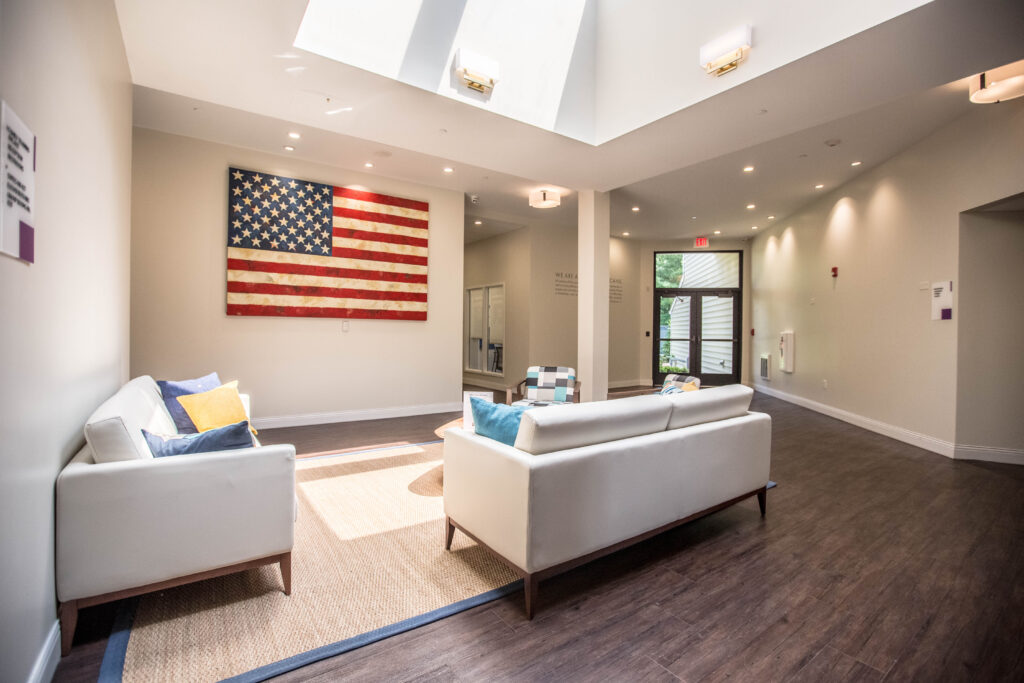
As the most intensive outpatient option, partial care servicestypically feature:
- Daily therapeutic sessions (5 days weekly).
- Extended daily treatment periods (4 to 6 hours per session).
- Comprehensive clinical support without overnight requirements.
- Treatment approaches are comparable to residential programs.
Intensive Outpatient (IOP)
Functioning effectively as either primary treatment or step–down care from more intensive programs, IOPs in New Jersey generally include:
- Frequent therapeutic engagement (threeto fivedaysper week).
- Substantial treatment duration (fourto sixhours per session).
- Combined group–based and individualized counseling approaches.
- Robust relapse prevention strategies and coping mechanism development.
Outpatient programs
Standard outpatient services provide foundational support for substance use disorders through:
- Less frequent sessions oneto threeper week).
- Briefer treatment engagements (oneto twohours per session).
- Balanced individual counseling and group therapeutic experiences.
- Ongoing monitoring supports continued abstinencefrom drugs and alcohol.

Virtual addiction treatment services
Telehealth addiction services expanded significantly throughout South Jersey following the 2020 pandemic. These digital treatment options typically offer:
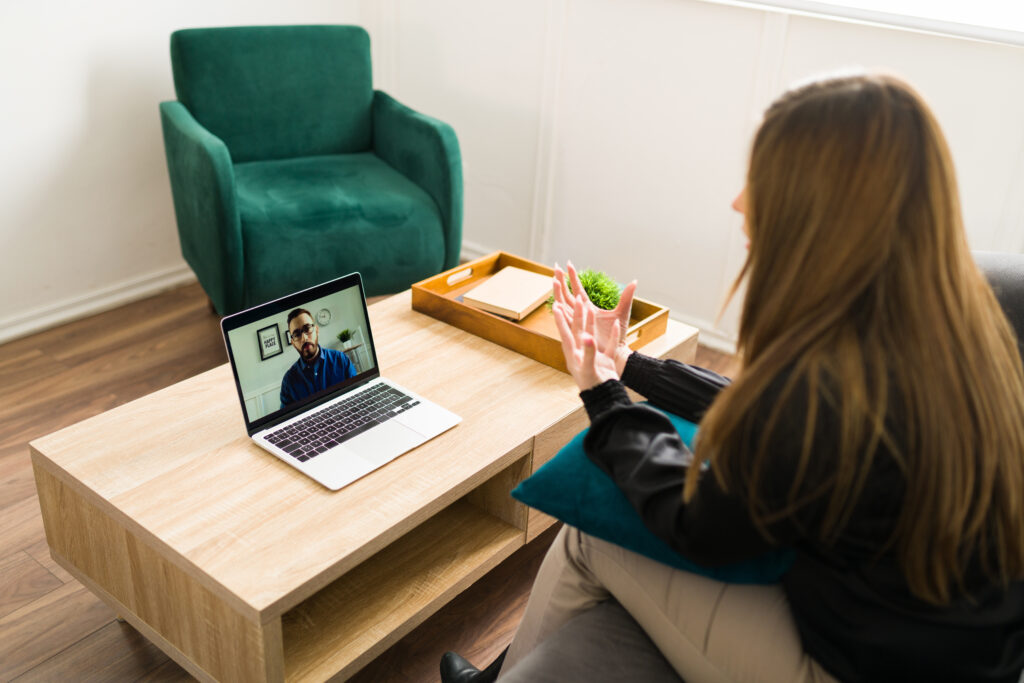
- Remote attendance at counseling sessions and recovery support.
- Scheduling flexibility, accommodating individual needs.
- Solutions for those facing transportation challenges.
- Outcomes comparable to traditional in–person approaches for appropriate candidates.
Is the Full Continuum of Care Necessary?
Clinical research consistently demonstrates that extended treatment engagement correlates with improved recovery outcomes [3]. The care continuum transitions individuals from higher–intensity interventions like residential or intensive outpatient programs toward less structured outpatient services, establishing robust foundations for sustained recovery from substance dependence.
Engaging with comprehensive care continuums offerseveral advantages:
- Graduated transition process: Methodical progression through decreasing intensity levels enables individuals to implement recovery strategies with gradually reduced support, promoting independence and self–efficacy.
- Sustained therapeutic engagement: Continuing structured treatment provides professional oversight and accountability during the vulnerable phases of early recovery.
- Individualized treatment adjustments: Care intensity can be calibrated according to evolving recovery needs and objectives, with support levels increasing when challenges arise.
- Progressive skill development: Each treatment phase builds upon competencies developed in previous settings, allowing individuals to master essential tools for maintaining long–term sobriety.
While not universally necessary, most individuals benefit from graduated treatment approaches providing appropriate support during the transition from active addiction to established recovery. Initial comprehensive assessments determine optimal treatment pathways based on individual circumstances.
Local Resources and Community Support
Sustainable recovery extends beyond normal treatment. South Jersey offers diverse community-based support systems helping individuals reinforce skills developed during structured interventions and connect with resources, facilitating smooth transitions to sober living.
Peer-Based Support Groups

Numerous peer support organizations throughout South Jersey provide encouragement, guidance, and connection with others sharing personal recovery experiences:
Recovery Community Organizations

New Jersey hosts vibrant recovery community organizations providing:
- Substance-free recreational activities
- Recovery coaching services
- Recovery advocacy initiatives
- Assistance with housing, education, and employment opportunities
Support Services

Additional recovery support services throughout South Jersey include:
- Professional recovery coaching
- Recovery-focused legal assistance
- Transitional recovery housing
- Vocational rehabilitation services
- Healthcare assistance
Substance Abuse: New Jersey Statistics
According to the Substance Abuse and Mental Health Services Administration (SAMHSA) data from the 2022–2023 National Survey on Drug Use and Health, approximately 22.5%of New Jersey residents aged 12 or older reported using any illicit drug in the past month. This includes the misuse of prescription psychotherapeutic drugs or the use of marijuana (including vaping), cocaine (including crack), heroin, hallucinogens, inhalants, or methamphetamine.[2]
In comparison, the national average for illicit drug use in the past month among individuals aged 12 or older was 24.9%in 2023.
Access to treatment remains a pressing issue. Over three–quarters of individuals needing clinical intervention for substance use disorder were unable to obtain professional care. Among the barriers to treatment, lack of information about available resources prevented approximately 1 million U.S. adults from accessing necessary clinical support.
New Jersey’s substance use helplines are central in addressing the treatment accessibility gap. These support resources provide objective guidance and enable connections between individuals seeking help and appropriate treatment facilities throughout the state.
Why Choose RCA?
If you’re contemplating beginning recovery in New Jersey but feeling uncertain about the first steps, many compelling reasons exist for initiating treatment with RCA.
Our Approach
RCA treatment integrates scientifically validated interventions with holistic practices, promoting comprehensive healing from substance dependence.
Specialized Recovery Pathways
RCA offers three distinct treatment tracks addressing various recovery stages:
01
Foundations of Recovery
Ideal for individuals new to addiction treatment, this pathway provides essential education, introduces fundamental recovery concepts, and establishes sober living foundations. The program addresses common concerns and uncertainties people experience when beginning recovery journeys.
02
Fresh Start
Developed for those with previous treatment experience, this approach builds upon existing knowledge, enhancing coping mechanisms and relapse prevention strategies learned during earlier recovery attempts.
03
Balance
This specialized pathway incorporates dual diagnosis treatment, addressing co–occurring mental health conditions. Research consistently demonstrates that integrated approaches produce superior outcomes compared to addressing each condition separately.
01 Foundations of Recovery
Ideal for individuals new to addiction treatment, this pathway provides essential education, introduces fundamental recovery concepts, and establishes sober living foundations. The program addresses common concerns and uncertainties people experience when beginning recovery journeys.
02 Fresh Start
Developed for those with previous treatment experience, this approach builds upon existing knowledge, enhancing coping mechanisms and relapse prevention strategies learned during earlier recovery attempts.
03 Balance
This specialized pathway incorporates dual diagnosis treatment, addressing co–occurring mental health conditions. Research consistently demonstrates that integrated approaches produce superior outcomes compared to addressing each
condition separately.

Trauma-Informed Treatment
Many substancesuse disorders originate in traumatic experiences requiring specialized interventions, including:
- Evaluation approaches: Trauma–sensitive assessment protocols.
- Treatment environment: Therapeutic spaces are designed for psychological safety.
- Integrated methodology: Concurrent addressing of trauma impacts,and substance use patterns for optimal outcomes.

Evidence-Based Treatments
RCA employs personalized combinations of science–backed therapies complemented by holistic approaches.
01 CBT (cognitive behavioral therapy)
Cognitive behavioral therapy effectively addresses both substancesuse disorders and co–occurring mental health conditions by helping individuals identify and transform negative thought patterns and behaviors.
- Key components: Analysis of automatic thought processes, behavioral activation strategies, and development of effective coping mechanisms.
- Therapeutic efficacy: Robust research demonstrates CBT’s effectiveness in treating various substance dependencies [5].
- Implementation method: CBT principles applied in both individual sessions and group therapeutic contexts.
- Recovery benefits: Development of essential skills supporting long–term addiction recovery.
02 DBT (dialectical behavior therapy)
Dialectical behavior therapy combines acceptance–oriented practices with change–focused strategies.
- Key components: Mindfulness cultivation, distress tolerance development, emotional regulation enhancement, and interpersonal effectiveness building.
- Therapeutic efficacy: Particularly valuable for individuals with trauma histories and emotional regulation difficulties.
- Implementation method: Combined individual therapy and skills development groups.
- Recovery benefits: Improved emotional management capacities and reduced impulsive behavioral patterns.
03 Motivational Interviewing
This motivational enhancement approach helps individuals resolve ambivalence toward behavioral change.
- Key components: Empathic engagement, discrepancy development, resistance reduction, and self–efficacy enhancement.
- Clinical application: Time–limited interventions compatible with concurrent treatment approaches.
- Therapeutic efficacy: Especially beneficial during early recovery phases, typically enhancing treatment engagement and retention.
- Methodological approach: Collaborative rather than confrontational therapeutic stance.
04 Family Education and Coaching
Involving family members in addiction treatment streamlines recovery through several mechanisms:
- Educational components: Teaching families about addiction’s neurobiological foundations shifts the understanding from judgment–based perspectives to informed medical frameworks.
- Communication enhancement: Interactive exercises develop healthier communication patterns, replacing triggering interactions with supportive dialogue.
- Boundary establishment: Helping families establish and maintain appropriate boundaries creates relationship frameworks protecting family wellbeing while supporting recovery.
- Restorative practices: Teaching healing protocols addresses longstanding patterns and wounds resulting from substance use impacts.
Families engaging collaboratively in these processes become recovery allies rather than unintentional obstacles.


Medication-Assisted Treatment in South Jersey
Medication–assisted treatment combines FDA–approved medications with behavioral therapies addressing alcohol and opioid use disorders.

Buprenorphine
- Partial opioid agonist that reduces withdrawal symptoms and cravings.
- Available through office-based prescribing, enhancing treatment accessibility.
- Lower overdose risk than full agonists.
- Available as daily films, tablets or extended-release injectable formulations for weekly or monthly dosing.
Naltrexone (Vivitrol)
- Functions as an opioid antagonist, blocking euphoric effects.
- Non-addictive with zero abuse potential.
- Monthly extended-release injectable formulation (Vivitrol) enhances treatment adherence.
- Requires complete detoxification before initiation.
- Particularly suitable for motivated individuals committed to abstinence-based recovery.
Buprenorphine
- Partial opioid agonist that reduces withdrawal symptoms and cravings.
- Available through office-based prescribing, enhancing treatment accessibility.
- Lower overdose risk than full agonists
- Available as daily films, tablets or extended-release injectable formulations for weekly or monthly dosing.
Naltrexone (Vivitrol)
- Functions as an opioid antagonist, blocking euphoric effects.
- Non-addictive with zero abuse potential.
- Monthly extended-release injectable formulation (Vivitrol) enhances treatment adherence.
- Requires complete detoxification before initiation.
- Particularly suitable for motivated individuals committed to abstinence-based recovery.

Acamprosate
- Reduces post-acute withdrawal symptoms and alcohol cravings.
- Normalizes neurochemical disruptions resulting from prolonged alcohol use.
- Generally well-tolerated with minimal side effects.
- Optimal effectiveness when initiated after achieving abstinence.
- Requires a consistent three-times-daily dosing schedule.
- Safest option for those with significant liver disease.
Naltrexone:
- Reduces alcohol cravings and diminishes consumption-related reward responses.
- Available as a daily oral medication or a monthly injectable formulation.
- It can be initiated while still actively consuming alcohol.
- Particularly effective when combined with behavioral therapies, such as CBT and DBT.
- Preferred treatment option for those with concurrent alcohol and opioid use disorders.
Disulfiram
- Creates adverse physiological reactions when combined with alcohol consumption.
- Acts as a deterrent to alcohol use.
- Requires significant motivation and consistent medication adherence.
- Maximum effectiveness is achieved with supervised administration.
Acamprosate
- Reduces post-acute withdrawal symptoms and alcohol cravings.
- Normalizes neurochemical disruptions resulting from prolonged alcohol use.
- Generally well-tolerated with minimal side effects.
- Optimal effectiveness when initiated after achieving abstinence.
- Requires a consistent three-times-daily dosing schedule.
- Safest option for those with significant liver disease.
Naltrexone:
- Reduces alcohol cravings and diminishes consumption-related reward responses.
- Available as a daily oral medication or a monthly injectable formulation.
- It can be initiated while still actively consuming alcohol.
- Particularly effective when combined with behavioral therapies, such as CBT and DBT.
- Preferred treatment option for those with concurrent alcohol and opioid use disorders.
Disulfiram
- Creates adverse physiological reactions when combined with alcohol consumption.
- Acts as a deterrent to alcohol use.
- Requires significant motivation and consistent medication adherence.
- Maximum effectiveness is achieved with supervised administration.
Integrated Psychosocial Approach
South Jersey healthcare providers recognize that medications alone cannot ensure sustained recovery. Comprehensive approaches include:
- Thorough evaluation: Identifying appropriate MAT candidates through a comprehensive initial assessment.
- Continuous monitoring: Evaluating medication efficacy and addressing adverse effects through regular follow–up.
- Therapeutic integration: Combining behavioral interventions with pharmacological approaches, addressing both physical dependence and psychological factors driving substance use.
- Support network development: Facilitating connections to community resources and services.
- Patient education: Explaining medication mechanisms within broader recovery frameworks.

Experienced Staff
RCA’s multidisciplinary teams bring specialized expertise and compassionate understanding to all client interactions:
- Medical professionals: Physicians, nurse practitioners,and nursing staff oversee detoxification protocols and medication management.
- Clinical specialists: Advanced–degree counselors specializing in addictive disorders and co–occurring conditions, facilitating individual and group counselingsessions.
- Peer recovery specialists: Certified staff often bring personal recovery experience to their professional roles.
- Care coordination team: Dedicated professionals enabling transition planning, community resource connections, and ongoing recovery support.
- Integrative practitioners: Specialists providecomplementary approaches addressing physical wellness, nutrition, mindfulness practices, and expressive therapies.
Our comprehensive team addresses psychological, biological, and social dimensions of substance use disorders.

State-of-the-Art Facilities
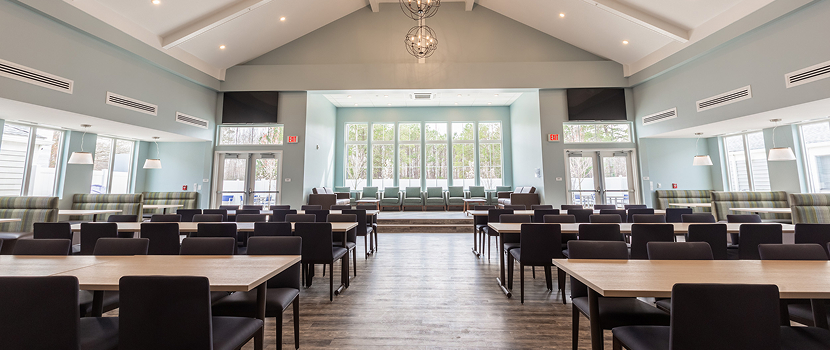
RCA’s Lighthouse, South Jersey treatment center provideshealing environments enabling long–term recovery:

Comfortable residential spaces
Well–appointed accommodations promoting dignity and comfort.Amenities include a fitness center, basketball court, ping pong tables, yoga spaces, a library.

Purpose–designed therapeutic areas
Thoughtfully created spaces for individual counseling, group therapy, meditation, and recreational activities.

Medical capabilities
Resources supporting safe detoxification and ongoing health monitoring.
Comfortable residential spaces
Well–appointed accommodations promoting dignity and comfort.Amenities include a fitness center, basketball court, ping pong tables, yoga spaces, a library.

Purpose–designed therapeutic areas
Thoughtfully created spaces for individual counseling, group therapy, meditation, and recreational activities.
Medical capabilities
Resources supporting safe detoxification and ongoing health monitoring.
Specialty Programs:
- WorkFlex: RCA at Lighthouse breaks down barriers by offering WorkFlex, a specialty program designed to keep patients connected to work during inpatient and residential treatment. We empower our patients to stay focused on recovery while having the ability to spend up to three hours a day maintaining virtual work obligations. All participants must be pre-approved before arrival at our center.
- Gambling Track: This specialty service addresses the dual challenges of SUD and Gambling Disorder through a comprehensive and holistic approach to treatment.

Success Stories and Testimonials
RCA’s therapeutic approach is effective, as demonstrated by countless client experiences. We recognize recovery’s unique nature for each individual and deliver customized, evidence- based treatment plans addressing specific needs.
Go here to view inspiring alum recovery narratives. These stories represent just a fraction of the 77,000+ individuals we’ve supported throughout their recovery journeys as we progress toward helping one million people achieve and maintain sobriety.
RCA in the Media
RCA has received widespread recognition for innovative treatment approaches and exceptional outcomes:

Eight facilities ranked among Newsweek’s 2025 America’s Best Addiction Centers.

Frequent national media coverage highlights effective treatment methodologies.

Acknowledged for significant contributions addressing the ongoing opioid epidemic throughout the United States.

Recognized for community outreach initiatives and prevention programs.
Frequently Asked Questions
What Can I Bring to Treatment?
When preparing for residential treatment at RCA, consider this customizable packing list:
- Clothing: Pack comfortable attire for 10 days, including sleepwear and exercise clothing. Laundryfacilities availableonsite.
- Personal hygiene items: Ensure all toiletries are alcohol–free and in original packaging. Electric razors are permitted.
- Prescribed medications: All prescription medications must not be expired and remain in original pharmacy containers with visible labels. Medical staff will evaluate medications during admission.
- Identification and insurance documentation: Photo identification, insurance cards, and relevant healthcare information.
- Contact information: Phone numbers and addresses for approved contacts.
Items prohibited at RCA facilities include:
- Alcohol–containing products like perfumes or mouthwash.
- Unauthorized controlled substances
- Any weapons.
- Valuable jewelry or excessive cash.
- Cameras or internet–capable devices.
You’ll receive comprehensive packing guidance during the admissions process.
How Long Does Treatment Last?
Treatment duration hinges on personal and medical needs, treatment goals, and recommendations from clinical staff. Timelines are general and vary from person to person:
- Detoxification: From five to 10 days, depending on withdrawal severity and the substance.
- Inpatient rehab: Between seven and 21 days, with longer durations possible, based on clinical necessity and insurance approval.
- PHP: From two to four weeks, with therapy sessions five days each week.
- IOP: Generally, six to eight weeks, with three to five weekly therapy sessions.
Our patients work with addiction specialists and medical professionals to determine the optimal treatment lengths for your circumstances and recovery goals. Plans can be tweaked as needed throughout the process and are individualized based on clinical and medical needs.
What Is Inpatient Drug Rehab?
Inpatientrehabilitation—including detox and residential—provides structured, immersive addiction treatment including:
- Comprehensive initial assessment.
- 24–hour professional supervision.
- Medically managed detoxification.
- Continuous clinical monitoring and emotional support.
- Evidence–based therapies are complemented by holistic approaches.
- Trigger–free environment.
- Supportive peer community.
This approach is the most intensive intervention on ASAM’s treatment continuum.
Is New Jersey a Good State for Treatment?
New Jersey offers many advantages for individuals seeking addiction treatment:
- Diverse treatment modalities.
- Proximity to leading research institutions.
- Progressive healthcare policies.
- Robust recovery community infrastructure.
- Access to addiction medicine specialists.
These factors make New Jersey an excellent location for those seeking effective treatment for alcohol, drug, or prescription medication dependencies.
Where to Go for Addiction Treatment?
When seeking addiction treatment assistance, consider these resources:
- Primary care providers: Your physician can conduct screenings, provide referrals, or potentially manage medication-assisted treatment.
- Emergency departments: Hospital ERs address acute needs and connect individuals with appropriate treatment resources.
- New Jersey Addiction Services Helpline: Call 1-844-276-2777 for confidential treatment referrals and information about addiction.
- Insurance providers: Your health insurance carrier can identify in-network treatment options.
- Direct facility contacts: Many New Jersey treatment centers, including RCA, offer 24/7 admissions services with comprehensive evaluations to determine the appropriate care level.
- Community organizations: Peer support groups often guide suitable treatment resources.
Recovery journeys follow multiple pathways. Optimal care levels depend on individual factors, substance use patterns, withdrawal potential, co-occurring conditions, and insurance coverage.
Does Insurance Cover the Costs of Treatment in New Jersey?
New Jersey maintains strong insurance parity legislation requiring carriers to provide effective addiction treatment coverage. Most private health plans cover addiction treatment comparably to physical health conditions, though specific coverage varies by plan and provider.
New Jersey Medicaid offers eligible individuals comprehensive addiction treatment coverage across all intensity levels. Medicare provides both inpatient and outpatient program coverage with applicable deductibles and co–payments.
Insurance obtained through the New Jersey Health Insurance Marketplace includes addiction treatment as an essential health benefit. RCA works with major insurance carriers, providing verification services before admission. Financial counselors explain payment options, out–of– pocket expenses, and assistance programs available to New Jersey residents seeking substance use disorder treatment.
Taking the First Step Toward Recovery
For evidence–based addiction treatment in South Jersey,contact RCA today.
Sources