
Pennsylvania
Drug & Alcohol Rehab in Pennsylvania: Your Path to Lasting Recovery


-
 Written by: Alexandra Talarico
 - Clinically Reviewed by: Pete Vernig
- Compliance Reviewed by: Marianne Birmingham



Quick Facts About RCA in Pennsylvania:
Recovery Centers of America operates two accredited treatment facilities in Pennsylvania: RCA at Devon (suburban Philadelphia) and RCA at Monroeville (Greater Pittsburgh). Both locations offer medical detox, residential treatment, and outpatient services. RCA facilities are accredited by The Joint Commission, CARF ASAM certified, and accept most major insurance plans. Together, these centers have helped thousands of Pennsylvanians begin their recovery journey.

Understanding What You’re Facing
It’s important to know this: addiction isn’t a moral failure. Substance use disorders affect how the brain works, which is why stopping on your own can feel so frustrating or unsuccessful. This is a medical condition, and effective, evidence-based treatment helps address it.
At Recovery Centers of America, our role is to help you understand your options and guide you toward care that fits your needs. If you’re ready to explore what recovery could look like, or simply want to talk through your next step, help is available.
Locations
Our Pennsylvania Addiction Treatment Center Locations
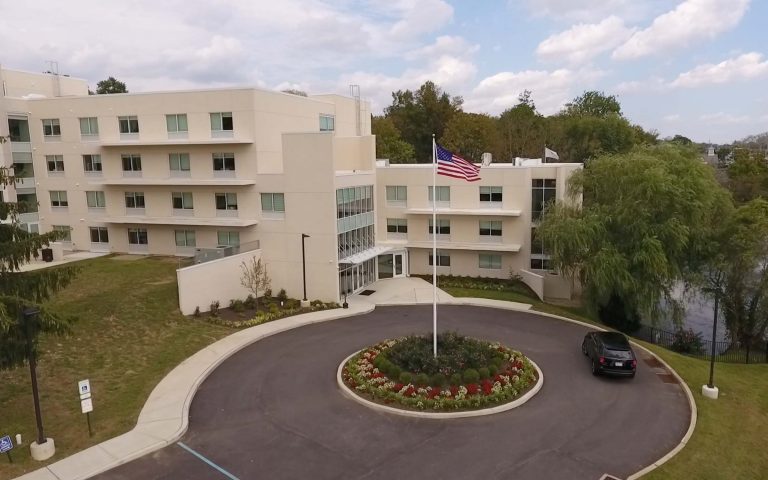
Devon, PA
235 W Lancaster Ave,
Devon, PA 19333
Treatment Offerings
- Medically-monitored detox
- Residential inpatient treatment
- Family Education and Coaching
- Medication-Assisted Treatment (MAT)
- Evidence-based treatment
- 12-step programming
- Dual diagnosis treatment
- Relapse prevention
- Addiction Intervention Services
- Primary Mental Health Treatment
Devon, PA
235 W Lancaster Ave,
Devon, PA 19333
Treatment Offerings
- Partial hospitalization program (PHP)
- Intensive outpatient program (IOP)
- Sober Living
- Family Education and Coaching
- Medication-Assisted Treatment (MAT)
- Evidence-based treatment
- 12-step programming
- Dual diagnosis treatment
- Relapse prevention
- Psychiatric Evaluation
- Addiction Intervention Services
- Virtual, in-person, and hybrid formats available
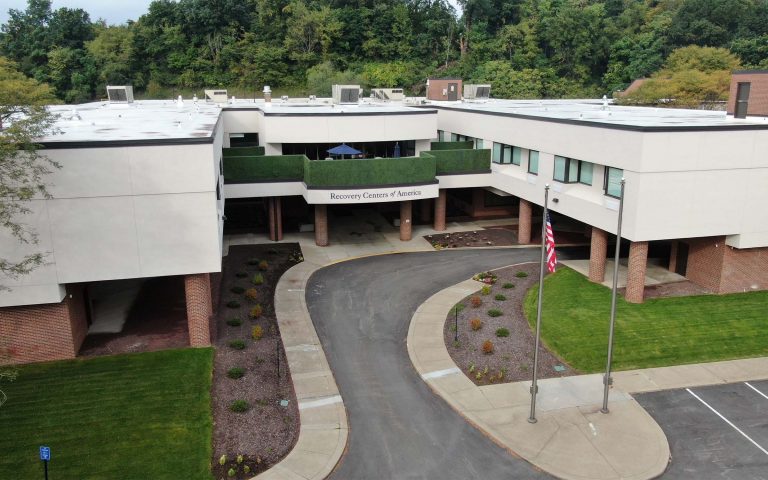
Monroeville, PA
2380 McGinley Rd,
Monroeville, PA 15146
Treatment Offerings
- Medically-monitored detox
- Residential inpatient treatment
- Family Education and Coaching
- Medication-Assisted Treatment (MAT)
- Evidence-based treatment
- 12-step programming
- Dual diagnosis treatment
- Relapse prevention
- Addiction Intervention Services
Monroeville, PA
2380 McGinley Rd,
Monroeville, PA 15146
Treatment Offerings
- Partial hospitalization program (PHP)
- Intensive outpatient program (IOP)
- General outpatient program (GOP)
- Sober Living
- Family Education and Coaching
- Medication-Assisted Treatment (MAT)
- Evidence-based treatment
- 12-step programming
- Dual diagnosis treatment
- Relapse prevention
- Psychiatric Evaluation
- Addiction Intervention Services
- Virtual, in-person, and hybrid formats available
RCA in Pennsylvania: Two Facilities, One Mission
Recovery Centers of America serves Pennsylvania through two distinct treatment centers, each designed to meet you where you are on your recovery journey.
Devon vs. Monroeville: Comparing Your Options
Both facilities deliver the same evidence-based treatment philosophy. Your choice often depends on geography, specific program availability, or personal preference.
Understanding Your Treatment Options
Addiction treatment isn’t one-size-fits-all. The right level of care depends on the severity of your substance use, your physical and mental health needs, your home environment, and your personal circumstances. Here’s what each level offers.

Medical Detox: Oftentimes The First Step
Before meaningful therapy can begin, your body needs to clear itself of addictive substances. Medical detox provides supervised withdrawal management in a safe, monitored environment [1].
What happens during detox:
- Medical professionals monitor your vital signs around the clock
- Medications ease withdrawal symptoms and reduce discomfort
- Clinical staff address complications as they arise
- Nutrition and hydration support your body’s healing process
Detox typically lasts 3 to 10 days, depending on the substance and the severity of physical dependence. Alcohol and benzodiazepine withdrawal can be medically dangerous without proper supervision. Attempting to quit these substances cold turkey at home can carry real risks.

Residential Treatment: Immersive Healing
Residential rehab provides a safe, structured environment where individuals live on site and receive care throughout the day. By stepping away from everyday stressors and triggers, people can focus fully on recovery while participating in a consistent schedule of therapy, clinical support, and skill-building activities.

This level of care [2] works well for people who:
- Are experiencing more severe or long-standing substance use challenges
- Need distance from their current environment to support recovery
- Have co-occurring mental health conditions that require more intensive clinical care
- Have not found success with outpatient or less intensive treatment
- Do not have a stable or substance-free place to live
A typical day in residential treatment includes individual therapy, group counseling, educational sessions, wellness activities, and time for reflection. The therapeutic community you build with peers in treatment often becomes a powerful source of support and accountability.

Partial Hospitalization Program (PHP)
PHP bridges the gap between residential care and traditional outpatient treatment. You attend programming 5 or more days per week for 4 to 6 hours daily but return home or to a sober living environment each evening.
This level suits people who:
- Have completed residential treatment and need continued intensive support
- Have strong recovery support at home
- Need comprehensive care but can’t commit to full-time residential treatment
- Are medically stable but require structured daily programming

Residential Treatment Programs in Pennsylvania
Comprehensive inpatient rehab is the most structured recovery approach available [1]. This therapeutic model delivers continuous clinical oversight and emotional assistance within carefully designed therapeutic surroundings. Residential care proves especially valuable for individuals experiencing severe substance dependencies, those managing co-existing psychiatric diagnoses, or anyone requiring medically supervised detoxification processes.
Fundamental Components of Residential Care
While Philadelphia residential facilities each have distinctive characteristics, most incorporate these essential therapeutic elements:
Holistic assessment

Treatment specialists perform detailed evaluations examining psychological functioning, physical well-being, substance use histories, and life circumstances to develop personalized treatment frameworks. These assessments determine whether medical detoxification should precede therapeutic intervention.
Clinically monitored withdrawal
Throughout supervised detoxification, medical professionals track withdrawal progression while providing therapeutic support to reduce discomfort and manage symptoms, creating safer transitions for individuals physically dependent on substances [2].
Proven therapeutic modalities
Devon treatment facilities provide personalized counseling and structured group interventions addressing psychological aspects of dependency. Programs typically employ various motivational techniques alongside psychotherapies such as CBT (cognitive behavioral therapy) and DBT (dialectical behavior therapy).
Pharmacological supports

Medication-assisted recovery combines approved pharmacological interventions with psychological therapies for alcohol and opioid dependencies. These medications help reduce withdrawal severity, manage cravings, and address concurrent conditions.
Integrative healing approaches

Premier Devon facilities enhance evidence-based treatments with complementary modalities supporting comprehensive wellness. These include meditation practices, tension-reduction techniques, expressive arts therapies, and dietary guidance.
Family system healing

Acknowledging addiction’s impact throughout family networks, treatment incorporates family members in recovery processes, improving communication dynamics, addressing conflicts, and facilitating healthier family functioning after treatment completion.
Devon’s residential environments create protected, trigger-free spaces where individuals address substance use disorders and concurrent mental health concerns while establishing foundations for long-term recovery.
Outpatient Treatment Services in Devon, Pennsylvania
Devon’s outpatient addiction services deliver accessible, affordable recovery options with variable intensity levels, enabling individuals to fulfill daily obligations while engaging in personalized treatment aligned with existing responsibilities. For those initiating recovery in Devon, Pennsylvania, outpatient alternatives include these structured frameworks:

PHPs (partial hospitalization programs)
As the most comprehensive outpatient option, PHPs generally provide:
- Daily clinical sessions (5 days weekly).
- Extended treatment periods (4 to 6 hours daily).
- Complete clinical supervision without overnight stays.
- Therapeutic interventions paralleling residential care.

IOPs (intensive outpatient programs)
Functioning effectively as either primary intervention or transitional care following more intensive treatment, Pennsylvania IOPs typically include:
- Regular weekly therapy engagement (3 to 5 days).
- Meaningful daily treatment duration (4 to 6 hours per session).
- Integrated group and individual therapeutic approaches.
- Comprehensive relapse prevention and coping skill development.

Virtual addiction treatment services
Virtual addiction treatment expanded considerably throughout Devon following the 2020 pandemic. These digital therapeutic options typically provide:
- Remote clinical access and recovery assistance.
- Flexible scheduling accommodating individual needs.
- Solutions addressing transportation limitations.
- Results comparable to traditional approaches for appropriate candidates.
Intensive Outpatient Program (IOP)
IOP provides robust therapeutic support while allowing you to maintain work, school, or family responsibilities. Programming typically runs 3 to 5 days per week for 3 to 4 hours per session.
You’ll engage in:
- Group therapy with peers in similar stages of recovery
- Skill-building workshops on relapse prevention and coping strategies
- Individual counseling sessions
- Family education and coaching
Many people step down to IOP after completing residential treatment or PHP. Others enter IOP directly when their addiction is milder, or their circumstances don’t permit more intensive care.

Sober Living
RCA’s Sober Living provides a safe and structured place to live while participating in outpatient addiction treatment, helping individuals stay focused on recovery when home or social environments make it harder to succeed. Residents actively engage in PHP or IOP care, peer support, recovery-focused activities, and community connections to help build independence, accountability, and real-world skills that will support lasting recovery beyond treatment.

General Outpatient Treatment
Standard outpatient programs offer ongoing support through 1 to 3 weekly sessions lasting 1 to 2 hours each. This level helps you maintain momentum in recovery while integrating the skills you’ve learned into everyday life.

Virtual Treatment Options
Telehealth has expanded access to addiction treatment across Pennsylvania. Virtual programming delivers many of the same therapeutic interventions through secure video platforms, making IOP treatment accessible for people with transportation challenges, demanding schedules, or those in rural areas with limited local options.

Why the Full Continuum Matters
Research consistently shows that longer engagement with treatment produces better outcomes [3]. Addiction didn’t develop overnight, and lasting recovery doesn’t either.
The continuum of care creates a graduated pathway that:
- Builds confidence progressively. As you move from more intensive to less intensive care, you practice recovery skills with appropriate levels of Each successful transition strengthens your belief in your ability to stay sober.
- Maintains accountability during vulnerable periods. The first months of recovery carry the highest relapse risk. Ongoing professional support helps you overcome challenges before they escalate into full-blown relapse.
- Adapts to your changing needs. Recovery isn’t If you hit a rough patch, your care team can increase support intensity. If you’re thriving, you can step down to less intensive programming.
- Reinforces learning across settings. Skills introduced in residential treatment get practiced in PHP, refined in IOP, and mastered in outpatient Repetition and application cement these tools into lasting habits.

Local Resources and Community Support
Effective recovery continues beyond the formal conclusion of treatment. Devon offers diverse community-based support, helping individuals consolidate therapeutic gains and connect with resources, streamlining successful transitions to independent recovery management.
Peer-Based Support Groups

Multiple peer support groups throughout Devon offer encouragement, guidance, and connection with others sharing personal recovery experiences:
- 12-step communities: Alcoholics Anonymous and Narcotics Anonymous maintain extensive meeting networks across Pennsylvania, supporting recovery from various substance dependencies.
- SMART Recovery: This science-based, secular support framework focuses on self-empowerment through cognitive-behavioral principles.
- Family healing networks: Al-Anon, Nar-Anon, and Learn to Cope deliver essential resources for families affected by loved ones’ substance use.
Recovery Community Organizations

Pennsylvania hosts active recovery community organizations offering:
- Substance-free social activities.
- Peer recovery coaching services.
- Recovery advocacy initiatives.
- Assistance in accessing housing, education, and employment resources.
Support Services

Additional recovery supports throughout Devon include:
- Professional recovery coaching.
- Transitional recovery housing.
- Vocational rehabilitation services.
- Healthcare system navigation assistance.
Substance Abuse: Pennsylvania Drug Abuse Statistics
Pennsylvania faces an unprecedented public health emergency related to opioid substance use disorder [4]. In 2021, the state documented 5,168 overdose-related fatalities, translating to approximately 14 lives lost each day. Without addressing significant treatment accessibility gaps, epidemiological projections indicate this mortality rate will likely continue its upward trajectory.
Extended opioid exposure presents numerous physiological and psychological health risks:
- Neurological impacts, including clinical depression and brain structure alterations.
- Hepatic complications and compromised liver function.
- Cardiovascular system deterioration.
- Bloodborne pathogen transmission (particularly hepatitis C) through shared injection equipment.
- HIV acquisition risk through parenteral exposure.
- Cognitive function impairment.
- Respiratory depression leads to a potentially fatal overdose.
Research into acquisition patterns reveals trends in how prescription opioids circulate within communities. These medications frequently transition from legitimate medical use to unauthorized consumption through informal social networks.
Approximately 70% of individuals misusing prescription medications report obtaining them through family members or acquaintances. For adolescents specifically, household medicine storage areas are the primary access point for these substances.
Our Approach to Your Recovery
At Recovery Centers of America, treatment isn’t one-size-fits-all. Your recovery is deeply personal; you have your own history, your own triggers, your own circumstances. You are unique and your treatment plan should reflect that.
Three Pathways to Meet You Where You Are
RCA provides three distinct treatment pathways addressing different recovery stages:
01
Foundations of Recovery
If this is your first time in treatment, you might feel uncertain about what lies ahead. This pathway introduces core recovery concepts, builds foundational skills, and addresses the questions and fears that come with beginning this journey.
02
Fresh Start
Previous treatment attempts aren’t failures. Rather, they’re learning experiences. This pathway helps you identify what contributed to relapse and develop stronger strategies for sustained recovery this time.
03
Balance
When addiction coexists with depression, anxiety, trauma, or other mental health conditions, treating one without the other rarely works. This integrated pathway addresses both simultaneously for lasting results.
01 Foundations of Recovery
If this is your first time in treatment, you might feel uncertain about what lies ahead. This pathway introduces core recovery concepts, builds foundational skills, and addresses the questions and fears that come with beginning this journey.
02 Fresh Start
Previous treatment attempts aren’t failures. Rather, they’re learning experiences. This pathway helps you identify what contributed to relapse and develop stronger strategies for sustained recovery this time.
03 Balance
When addiction coexists with depression, anxiety, trauma, or other mental health conditions, treating one without the other rarely works. This integrated pathway addresses both simultaneously for lasting results.

Evidence-Based Therapies That Work
01 Cognitive Behavioral Therapy (CBT)
CBT helps you recognize the thought patterns that drive substance use and replace them with healthier alternatives [4]. You’ll learn to identify triggers, challenge distorted thinking, and develop practical coping strategies.
02 Dialectical Behavior Therapy (DBT)
DBT helps you learn to balance acceptance and change. You’ll build skills in four key areas: mindfulness (staying present), distress tolerance (surviving crises without substances), emotional regulation (managing intense feelings), and interpersonal effectiveness (dealing with relationships confidently).
03 Motivational Interviewing (MI)
This collaborative approach helps you resolve ambivalence about change. Rather than lecturing or confronting, your therapist guides you toward discovering your own reasons for recovery.
04 Trauma-Informed Care
Many people struggling with addiction carry unresolved trauma. Our approach recognizes this connection and creates safe spaces for healing without re-traumatization.
05 Medication-Assisted Treatment (MAT)
For opioid and alcohol use disorders, FDA-approved medications can significantly improve your chances of successful recovery.
For Opioid Use Disorder:
- Buprenorphine reduces cravings and withdrawal symptoms without producing the high associated with full opioid agonists. Available as daily films or tablets, or as weekly and monthly injections.
- Naltrexone (Vivitrol) blocks opioid receptors so that if you use opioids, you won’t feel their Available as a monthly injection that removes the daily decision- making from the equation.
For Alcohol Use Disorder:
- Naltrexone reduces cravings and diminishes the pleasurable effects of alcohol, making it easier to maintain abstinence or reduce consumption.
- Acamprosate helps stabilize brain chemistry disrupted by chronic alcohol use, reducing post-acute withdrawal symptoms.
- Disulfiram creates an unpleasant reaction if you drink alcohol, serving as a powerful deterrent for people highly motivated to remain abstinent.
Medication is a tool, not a crutch. Combined with therapy and support, MAT significantly improves outcomes for many people.
06 Family Involvement
Addiction affects everyone who loves you. Family education and coaching help your loved ones understand addiction as a medical condition, develop healthy communication patterns, establish appropriate boundaries, and become effective allies in your recovery.


Medication-Assisted Treatment in Pennsylvania
MAT (medication-assisted treatment) combines FDA-approved medications with behavioral therapies to manage alcohol and opioid use disorders effectively.

Methadone
- A long-acting agonist that reduces withdrawal symptom severity and craving intensity.
- Administered through daily dispensing at specialized clinics with progressive take-home privileges.
- Dispensed via federally regulated treatment programs.
- Particularly beneficial for those with severe, long-term opioid dependency.
Buprenorphine
- Partial opioid agonist that reduces withdrawal symptoms and cravings.
- Prescribed in office-based settings, improving the accessibility of treatment.
- Partial agonist that creates ceiling effects and reduces the risk of overdose.
- Available as a sublingual formulation or an extended-release injectable.
Naltrexone
- Works as an antagonist that blocks the euphoric effects of opioids.
- Non-addictive and has zero potential for abuse.
- An extended-release injectable that improves treatment adherence.
- The person needs to undergo detoxification before initiation.
- Ideal for motivated people committed to abstinence-based recovery.
Methadone
- A long-acting agonist that reduces withdrawal symptom severity and craving intensity.
- Administered through daily dispensing at specialized clinics with progressive take-home privileges.
- Dispensed via federally regulated treatment programs.
- Particularly beneficial for those with severe, long-term opioid dependency.
Buprenorphine
- Partial opioid agonist that reduces withdrawal symptoms and cravings.
- Prescribed in office-based settings, improving the accessibility of treatment.
- Partial agonist that creates ceiling effects and reduces the risk of overdose.
- Available as a sublingual formulation or an extended-release injectable.
Naltrexone
- Works as an antagonist that blocks the euphoric effects of opioids.
- Non-addictive and has zero potential for abuse.
- An extended-release injectable that improves treatment adherence.
- The person needs to undergo detoxification before initiation.
- Ideal for motivated people committed to abstinence-based recovery.

Acamprosate:
- Reduces the symptoms of post-acute withdrawal and alcohol cravings.
- Helps normalize neurochemical disruptions from prolonged alcohol use.
- Typically well-tolerated with few side effects.
- Most effective if initiated after the person achieves abstinence from alcohol.
- Administered 3 times daily.
- Safest option for those with significant liver disease.
Naltrexone:
- Reduces cravings and diminishes consumption-related reward responses.
- Available as a daily oral medication or a monthly injectable formulation.
- Can be initiated while individuals are still actively consuming alcohol.
- Particularly effective when combined with behavioral therapies.
- Preferred treatment option for those with concurrent alcohol and opioid use disorders.
Disulfiram
- Creates adverse physical reactions when combined with alcohol.
- Serves as a deterrent to alcohol consumption.
- Requires significant motivation and consistent medication adherence.
- Maximum effectiveness is achieved through supervised administration.
Acamprosate:
- Reduces the symptoms of post-acute withdrawal and alcohol cravings.
- Helps normalize neurochemical disruptions from prolonged alcohol use.
- Typically well-tolerated with few side effects.
- Most effective if initiated after the person achieves abstinence from alcohol.
- Administered 3 times daily.
- Safest option for those with significant liver disease.
Naltrexone:
- Reduces cravings and diminishes consumption-related reward responses.
- Available as a daily oral medication or a monthly injectable formulation.
- Can be initiated while individuals are still actively consuming alcohol.
- Particularly effective when combined with behavioral therapies.
- Preferred treatment option for those with concurrent alcohol and opioid use disorders.
Disulfiram
- Creates adverse physical reactions when combined with alcohol.
- Serves as a deterrent to alcohol consumption.
- Requires significant motivation and consistent medication adherence.
- Maximum effectiveness is achieved through supervised administration.
What Happens If You Don’t Act?
You already know what continuing down this path looks like. More broken relationships. More severe consequences at work or school. More damage to your health. More days lost to the fog of substance use.
Addiction is progressive. Without intervention, it usually gets worse, not better. The costs compound: financial ruin, legal troubles, irreversible health damage, overdose risk.
But here’s what you might not fully see: the opportunity cost. Every day spent in active addiction is a day you’re not building the life you actually want. You’re not showing up fully for the people who need you. You’re not pursuing the goals that matter to you. You’re not becoming who you’re capable of being.
The difficulty of recovery is temporary. The pain of staying stuck is ongoing.

What Success Looks Like
Imagine waking up clear-headed, with energy and purpose. Your relationships are healing, because you’ve shown up consistently, day after day, and rebuilt trust through action.
You have tools now. When stress hits or cravings surface, you know what to do. You’ve practiced these skills so many times they’ve become second nature.
You’ve built a community of people who understand what you’ve been through because they’ve been there too. You’re not alone anymore.
Recovery doesn’t mean your life becomes perfect. It means you’re equipped to handle life’s challenges without substances.
This transformation is possible for you. We’ve seen it happen thousands of times.

State-of-the-Art Facilities
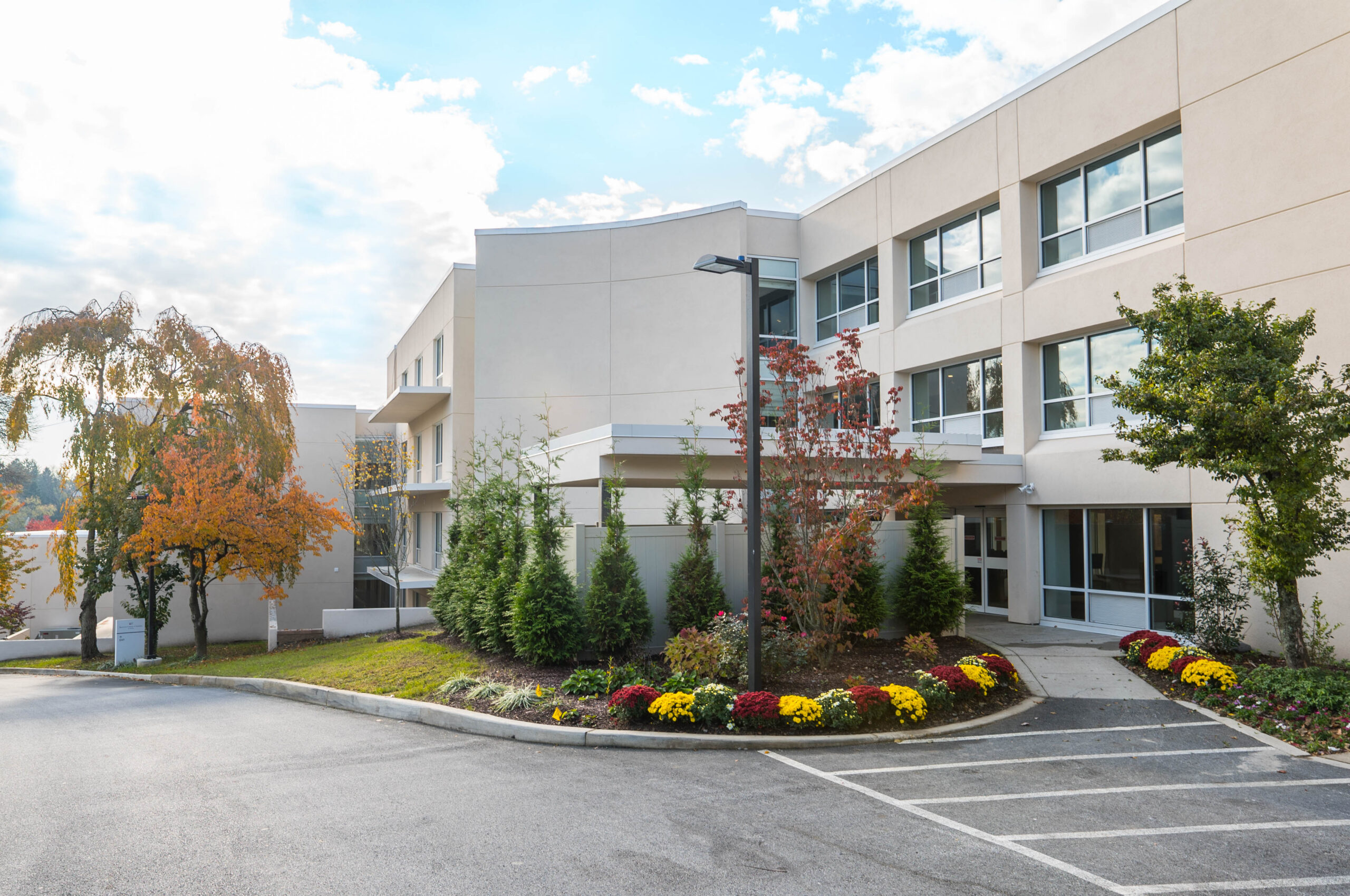
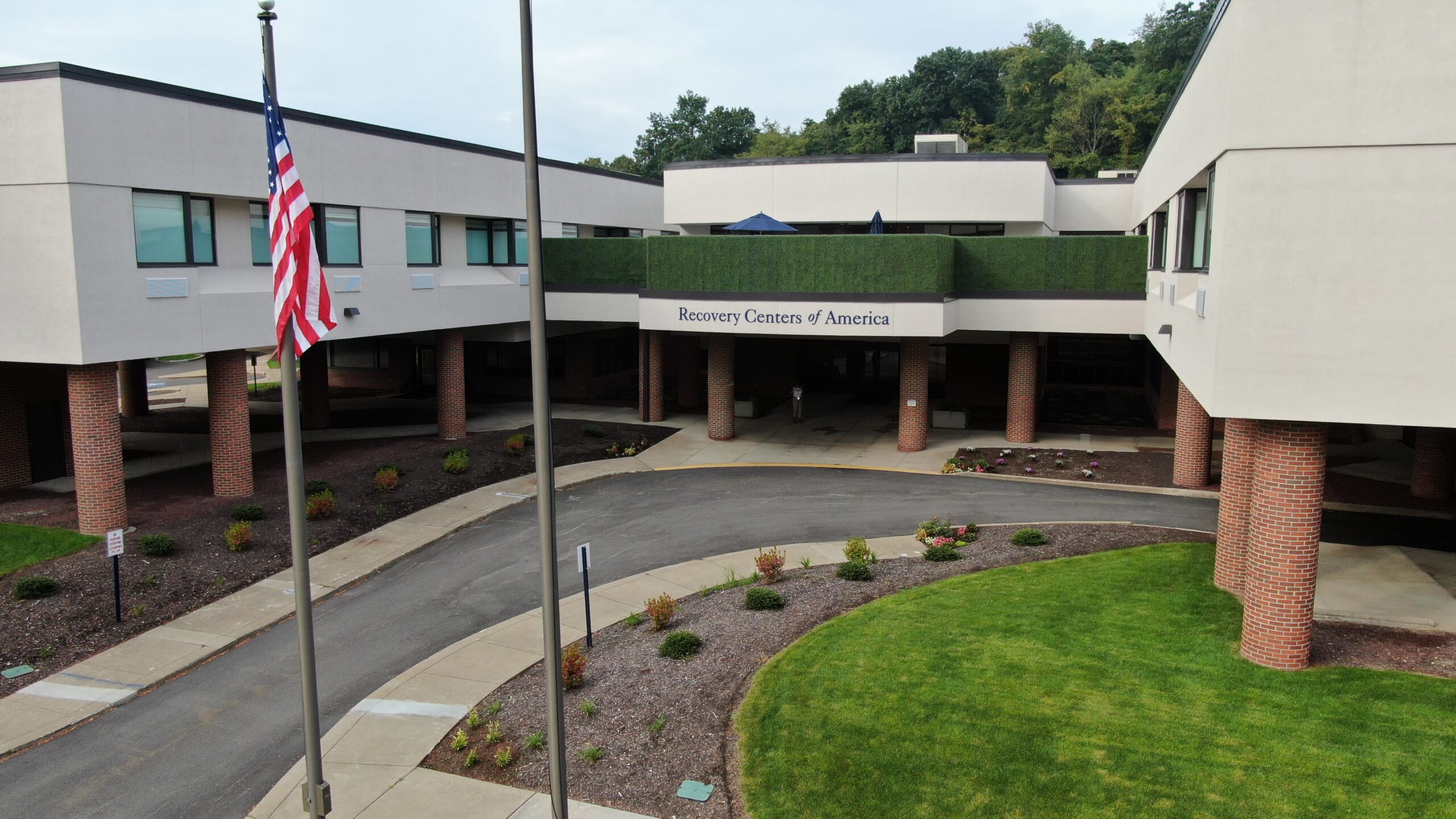
Our Devon, Pennsylvania, treatment facility creates restorative settings supporting sustainable recovery:

Dignified accommodations promoting comfort and emotional security. Amenities include a fitness center, on-site dietician, pet support services and visits, and spirituality services.

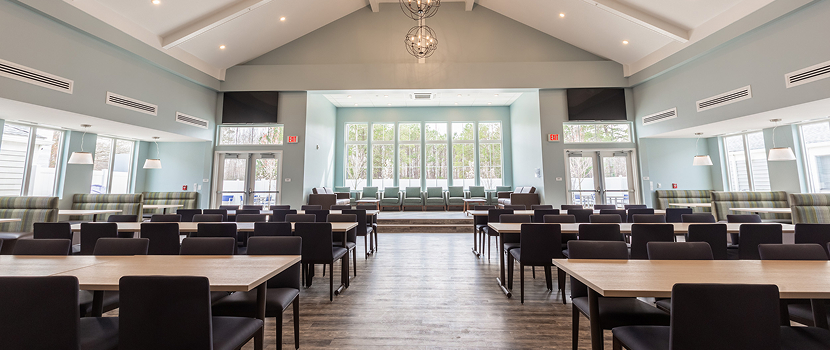
Carefully designed environments for individual therapy, group interventions, contemplative practices, and physical wellness activities.

Comprehensive resources supporting medically-supervised detoxification and ongoing physiological monitoring.

Advanced systems enhancing treatment coordination, communication protocols, and educational resource access.
Restorative living spaces
Dignified accommodations promoting comfort and emotional security. Amenities include a fitness center, on-site dietician, pet support services and visits, and spirituality services.

Specialized treatment areas
Carefully designed environments for individual therapy, group interventions, contemplative practices, and physical wellness activities.
Clinical infrastructure
Comprehensive resources supporting medically-supervised detoxification and ongoing physiological monitoring.
Digital integration
Advanced systems enhancing treatment coordination, communication protocols, and educational resource access.
Pennsylvania Resources Beyond Treatment
Long-term recovery goes far beyond formal treatment. Pennsylvania offers robust community support for people at every stage of the recovery journey.
Peer Support Groups
- 12-Step Programs – AAand NA meetings take place daily across Pennsylvania, from urban Philadelphia and Pittsburgh to small towns throughout the state.
- SMART Recovery – This science-based alternative emphasizes self-empowerment and cognitive-behavioral techniques.
- Refuge Recovery / Recovery Dharma – These programs integrate Buddhist principles and meditation practices into recovery.
- Gender-Specific Groups – Women for Sobriety and Men for Sobriety address unique challenges in safe, supportive environments.
- Family Support – Al-Anon, Nar-Anon, and Learn to Cope help families heal alongside their loved ones.
400+ 5-STAR GOOGLE REVIEWS
What Our Patients Say

Going to RCA was the best decision I made. I am so grateful for this place. What makes this place so special is the people who work here. I see them show up everyday. They are selfless and continuously check up on you. Whether you are inpatient, or alumni, they are always there for you. It really is a beautiful thing. I’ve developed strong relationships in sobriety because of RCA. I will be forever grateful carrying the message the gift of sobriety brings.
- KC
RCA at Devon changed my life. The support I received here helped me build a foundation I didn’t think was possible. Joey, the alumni coordinator, deserves special recognition because he has been a huge part of my recovery journey. He stays connected, provides resources, and shows real compassion for everyone who comes through the program . I’m truly grateful for this place and everything it has done for me.
- KRISTIN
RCA has been unbelievable for my recovery. The staff truly cares, the support is real, and the community feels like family. Alumni meetings with Joey are a huge highlight — he brings energy, honesty, and guidance every time. I’m grateful for everything this place has done for me.
- JUSTIN
RCA was an excellent experience for me. That staff is incredible. It completely changed my life. Everyone is so encouraging and genuinely cares about you. I highly recommend this place! Huge life changer!!
- VICTORIA
Substance Use in Pennsylvania: The Scope of the Problem
Pennsylvania has been hit hard by the addiction crisis. The state consistently ranks among the highest in opioid overdose deaths, and alcohol use disorder affects hundreds of thousands of residents [5].
But here’s what those statistics don’t capture: recovery is happening all around you. People who seemed beyond hope have found their way back. Treatment works when people can access it.
The gap between those who need treatment and those who receive it remains too wide. If you’re considering taking this step, you’re already ahead of most. Don’t let hesitation keep you from moving forward.

Success Stories & Testimonials
The effectiveness of our therapeutic methodology is demonstrated through documented patient experiences. We understand that recovery manifests uniquely for each individual and provides personalized, evidence-informed treatment plans that address specific clinical needs.
Visit our website to explore authentic recovery narratives from program graduates. These accounts are a portion of the more than 79,500 individuals supported throughout their recovery journeys as we work toward helping one million people achieve lasting sobriety.
RCA in the Media
Our treatment approach has received significant acknowledgment from healthcare authorities:

Clinical excellence
Eight facilities recognized among Newsweek’s 2024 America’s Best Addiction Treatment Centers.

Public health contribution
Featured in national media for innovative treatment methodologies.

Community impact
Acknowledged for significant contributions addressing substance use disorders throughout the region.

Preventative initiatives
Recognized for community education programs and early intervention strategies.
Frequently Asked Questions
Does insurance cover addiction treatment in Pennsylvania?
Yes. Pennsylvania has strong insurance parity laws requiring coverage for substance use disorder treatment comparable to coverage for physical health conditions. Most private insurance plans, Pennsylvania Medicaid, and Medicare cover addiction treatment. RCA accepts over 75 major insurance providers and offers free verification to help you understand your benefits before admission.
How do I know which level of care I need?
A comprehensive assessment determines the appropriate level of care based on factors including severity of addiction, withdrawal risk, mental health status, home environment stability, and treatment history. RCA’s admissions team can conduct this assessment over the phone and recommend the right starting point for your situation.
Can I keep my phone during residential treatment?
Policies vary by facility and stage of treatment. Generally, early treatment involves limited phone access to help you focus fully on recovery. As you progress, phone privileges increase. Specific guidelines will be explained during admission.
What if I have a job or family responsibilities?
Outpatient treatment levels (PHP, IOP, and GOP) allow you to continue working or caring for family while receiving treatment. Many employers are required by law to provide leave for addiction treatment. FMLA may protect your job during residential treatment. Our admissions team can help you with these considerations.
Do you treat co-occurring mental health conditions?
Yes. Dual diagnosis treatment addresses addiction and mental health conditions simultaneously, which research shows produces better outcomes than treating each separately. Our clinical teams include psychiatrists and therapists specialized in co-occurring disorders.
What medications are used during detox?
Specific medications depend on the substance of dependence and individual medical factors. Options may include medications to ease withdrawal symptoms, reduce cravings, manage anxiety, address insomnia, and treat nausea. Our medical team tailors medication protocols to each person’s needs.
Is virtual treatment as effective as in-person care?
Research suggests that virtual treatment produces comparable outcomes to in-person care for many people, particularly at the outpatient level. Virtual options work well for people with transportation barriers, scheduling constraints, or those in areas with limited local services. It may not be appropriate for people requiring medical detox or intensive stabilization.
How long does treatment last?
Treatment duration varies based on individual needs. Medical detox typically takes 5 to 10 days. Residential treatment often ranges from 14 to 30+ days. PHP usually lasts 2 to 4 weeks. IOP typically runs 6 to 8 weeks. Your treatment team will recommend a timeline based on your progress and clinical needs, adjusting as necessary.
What should I bring to residential treatment?
Pack comfortable clothing for about 10 days (laundry facilities are available), toiletries in original packaging without alcohol content, prescription medications in pharmacy-labeled containers, photo ID, insurance cards, and contact information for important people. Leave valuables, weapons, and internet-enabled devices at home. You’ll receive a complete packing list during admissions.
How do I get started?
Call RCA’s admissions line anytime. We’re available 24/7. A trained specialist will answer your questions, verify your insurance benefits, and help determine the most appropriate level of care. Same-day admission is often available for those ready to begin immediately.
Taking the Next Step
You’ve read this far because something inside you knows change is possible. That instinct is right.
Recovery isn’t easy. Anyone who tells you otherwise is lying. But it’s absolutely achievable with the right support, the right tools, and the right environment.
At Recovery Centers of America, we’ve helped nearly 100,000 people begin their recovery journeys. We’ve seen people who thought they were hopeless reclaim their lives. We believe you can be one of them.
You don’t have to figure this out alone.
The best time to start recovery was yesterday. The second-best time is now. Call RCA today at 1.800.RECOVERY. Your new life is waiting.
Sources
- NIH—Overview, essential concepts, and definitions in detoxification
- ASAM—About the ASAM criteria
- ScienceDirect—A systematic review and meta-analysis of the efficacy of the long-termtreatment and support of substance use disorders
- NIH—Cognitive behavioral therapy for substance use disorders
- NCDAS – Drug Overdose Death Rates
To request an annual report, please send an annual report request to compliance@recoverycoa.com