

In January 2022, the state of New Jersey introduced a joint resolution designating October of each year as “First Responders Appreciation Month,” a salute to the contributions of law enforcement, firefighters, and emergency services personnel in safeguarding the security and well-being of the state.
But what about their well-being?
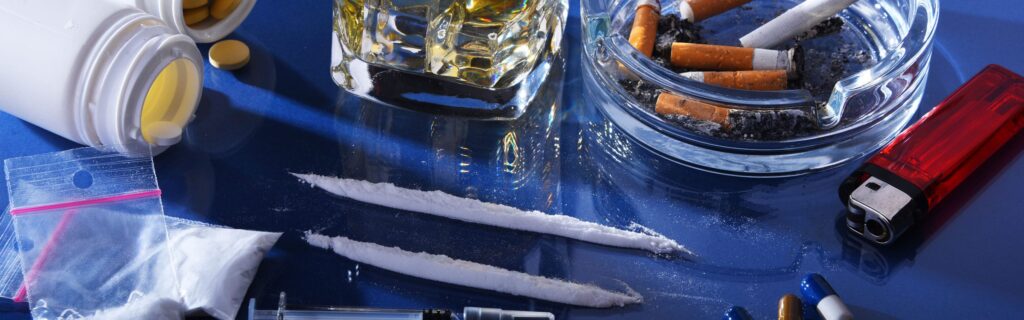
First responders work tirelessly to keep New Jerseyans safe, though often at high personal cost. Due to the nature of the career, many are at increased risk of experiencing behavioral health issues and struggling with mental illnesses such as PTSD, leading to drug and alcohol abuse.
For me, it’s a road I know well.
As a Marine veteran and retired Manasquan police officer, I had to come to terms with my own struggles with substance use disorder more than six years ago. I know personally that when you commit yourself to serving others, it’s tough to ask for help yourself.
Military personnel and first responders often exist in a world of trauma. Though many understand this when entering the career, that does not necessarily mean we are better prepared to deal with the realities we encounter daily.
Unfortunately, the common perception of Marines, police officers, firefighters, and other first responders is real. We don’t want to look weak. For me, though, finding real strength meant first responding to my own addiction.
And what I noticed when looking for treatment was that few addiction recovery centers in the U.S. offered services designed to address the profession-related obstacles responders faced, so that we could gain lasting recovery from drugs and alcohol.
Recognizing this unmet need, in 2021, Recovery Centers of America at Raritan Bay created a specialized evidence-based drug and alcohol addiction treatment program for New Jersey’s first responders and military service members (active and retired). The RESCU program, which stands for ‘Resilience Empowerment Safety Care for Uniformed Heroe‘, where I now proudly serve as a treatment advisor, was built in response to the difficulties that rescue workers encounter when their own lives are at risk.
Created in collaboration with law enforcement and firefighters from across the state, the program’s treatment, which is both outpatient and inpatient, includes private group therapy sessions, peer support groups, specific programming for first responder families, and individualized treatment led by a specially trained clinical team.
The need for RESCU, the only first responder inpatient facility in New Jersey, was particularly acute following the onset of the COVID-19 pandemic. As first responders confronted unprecedented pressure working on the front lines, their alcohol and drug use spiked. In some ways, the pandemic sounded a vital alarm, letting the world know that frontline workers of all types are both brave and dedicated, yet also human, like the rest of us. They must be celebrated and protected.
Since anonymity within the community is critical to focusing on treatment and recovery, we at RESCU are committed to privacy. Patients join a tight-knit community of fellow first responders and military service members and recover alongside individuals who share similar life and professional experiences.
The program addresses their unique issues: work-related traumatic events, drinking culture, mistrust of mental health professionals, and warrior ethos, among other subjects. The response to the program has been overwhelming. It is at capacity most of the time.
With the tremendous need in this country for mental health and substance use disorders services, our staff at RESCU is dedicated to helping those first responders and military personnel who are suffering achieve a fulfilling life of meaningful recovery from drugs and alcohol. Whether you’re an active or former law enforcement officer, firefighter, corrections officer, EMT/paramedic, or military member — if you or a first responder you know is struggling with addiction to drugs or alcohol, we can help.
I am a Marine veteran and a retired police officer, but I’m also in recovery. I firmly believe these valued men and women need a safe place, close to their families, to get the support and encouragement they need, ensuring the success of long-lasting recovery.
While we take time to honor and appreciate our first responders, let’s remember they need our help, too.
Brian Gillespie serves as a first responder program treatment advisor for RESCU, an addiction recovery program exclusively for military service members, both active and retired, at Recovery Centers of America at Raritan Bay.
“First responders need help overcoming drug and alcohol abuse, too”, NJ.com, “https://www.nj.com/opinion/2022/11/first-responders-need-help-overcoming-drug-and-alcohol-abuse-too-opinion.html”


