We have treated almost 100,000 patients on our mission to save one million lives.

Recovery Centers of America
RCA at Waldorf, Maryland

Drug and Alcohol Rehab in Waldorf, Maryland

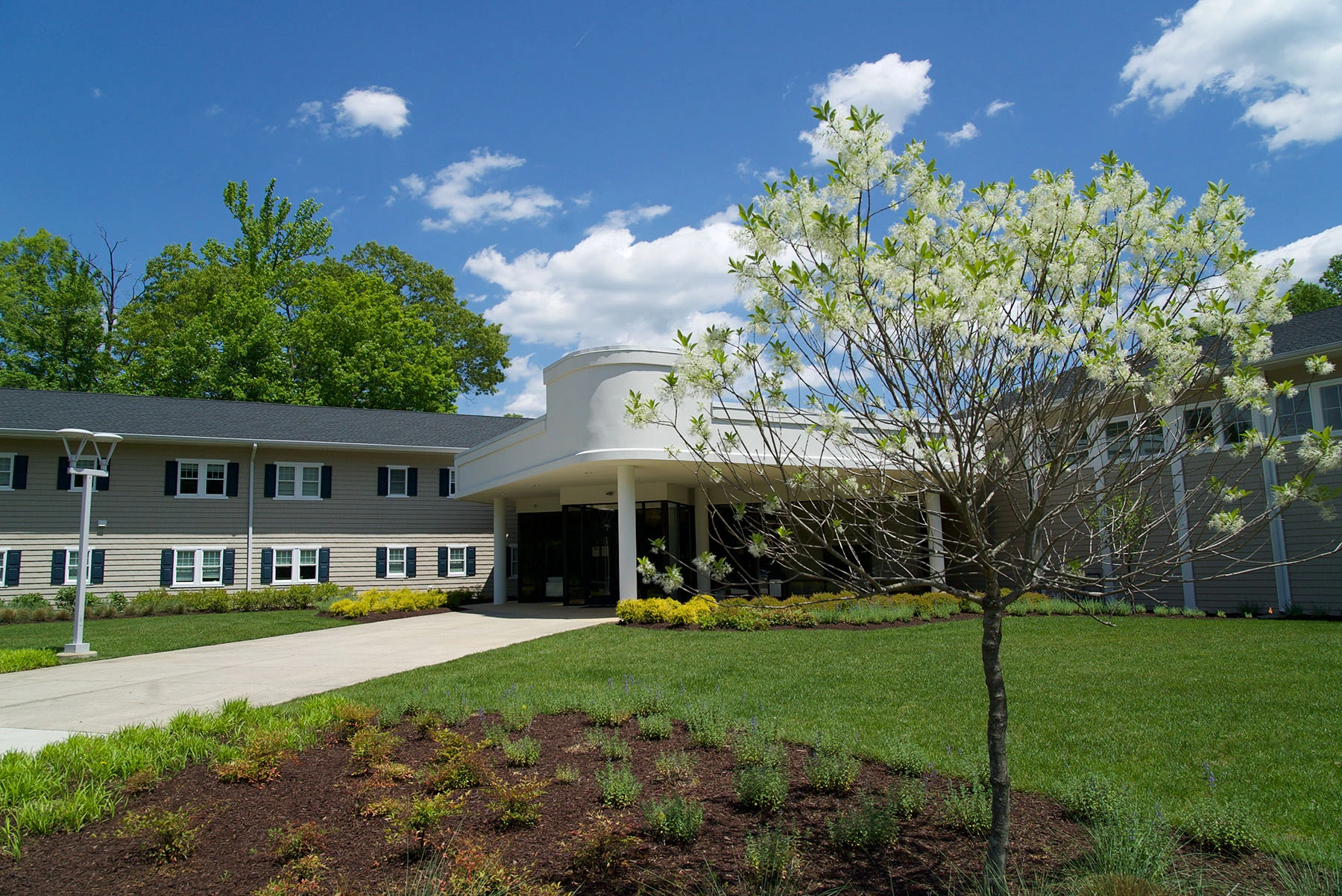
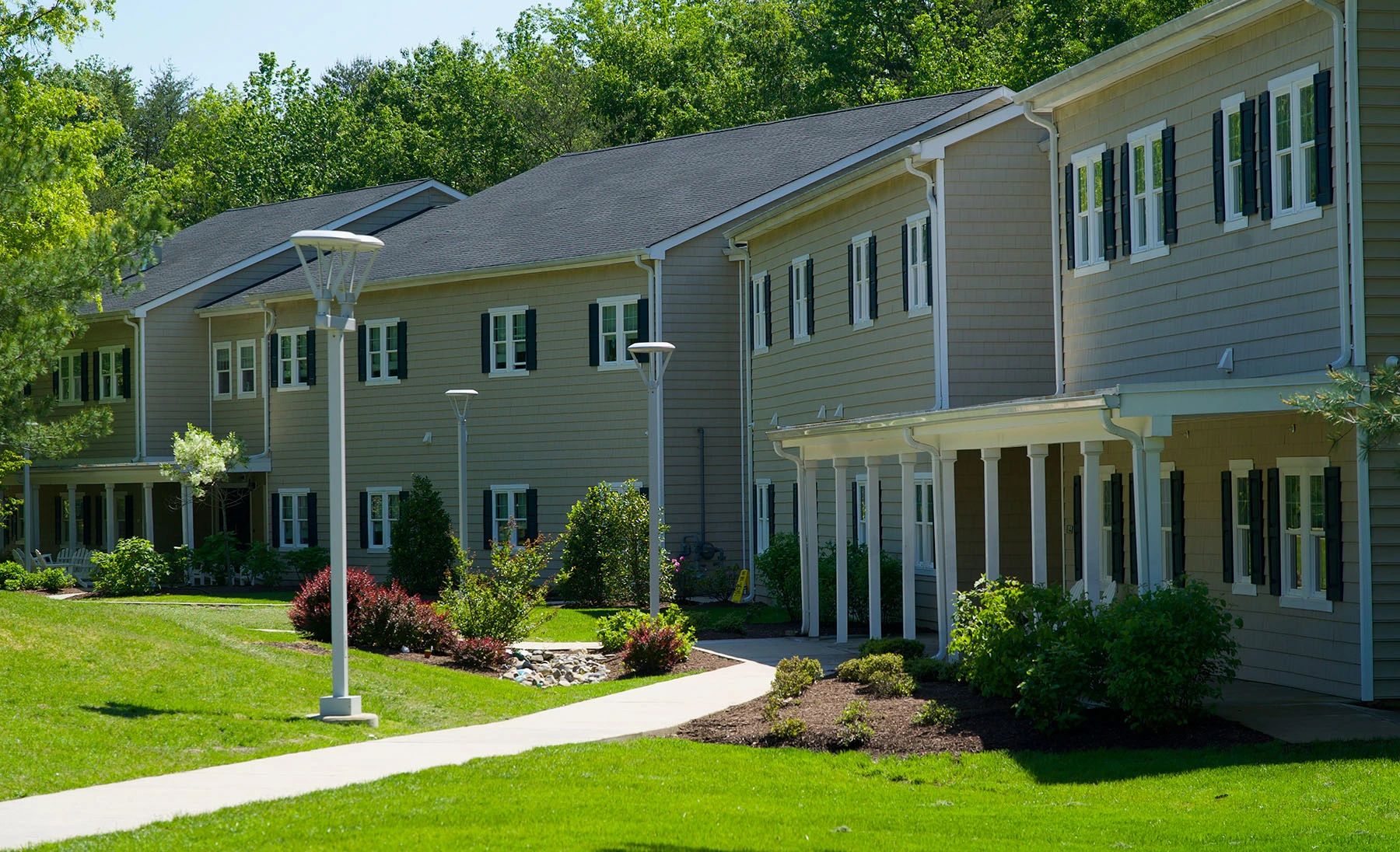
Recovery Centers of America (RCA) at Capital Region is a 140-bed campus, 30 miles outside Washington, DC, and 25 miles from Northern Virginia, within reach of Baltimore, Richmond, and Southern Maryland. The facility offers medical detox, inpatient rehab, PHP, IOP, dual diagnosis care, recovery living, and medication-assisted treatment, including methadone. In-network with 110+ insurance providers, including TRICARE. 24/7 admissions.

Your Comeback Starts Here

When drugs or alcohol have started to interfere with your health, relationships, work, or the life you want to live, knowing where to turn can feel overwhelming. You don’t have to figure it out alone. At RCA at Capital Region, you’ll find compassionate, evidence-based drug and alcohol treatment that meets you where you are and supports you for life.

Whether you need medical detox, residential treatment, outpatient care like a Partial Hospitalization Program (PHP) or Intensive Outpatient Program (IOP), or recovery living, we make sure to provide a full continuum of care so you can receive the right support as your needs change throughout your recovery journey. And because our care is patient-centered, you get case management and family support services to help address the practical and personal challenges that can come with addiction. Our alumni program keeps you connected to a strong community after treatment.

Inside our Facility in

Waldorf, MD

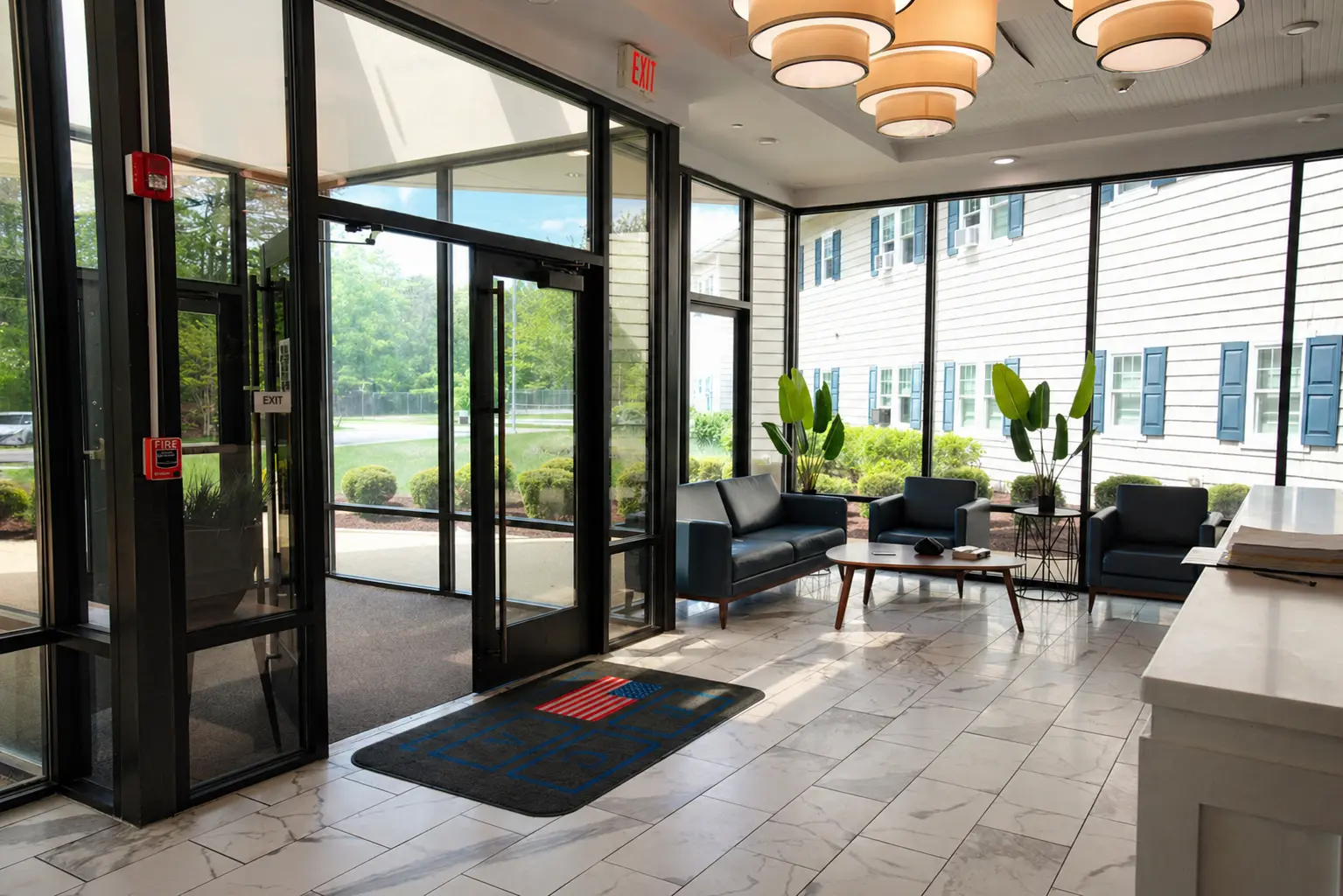
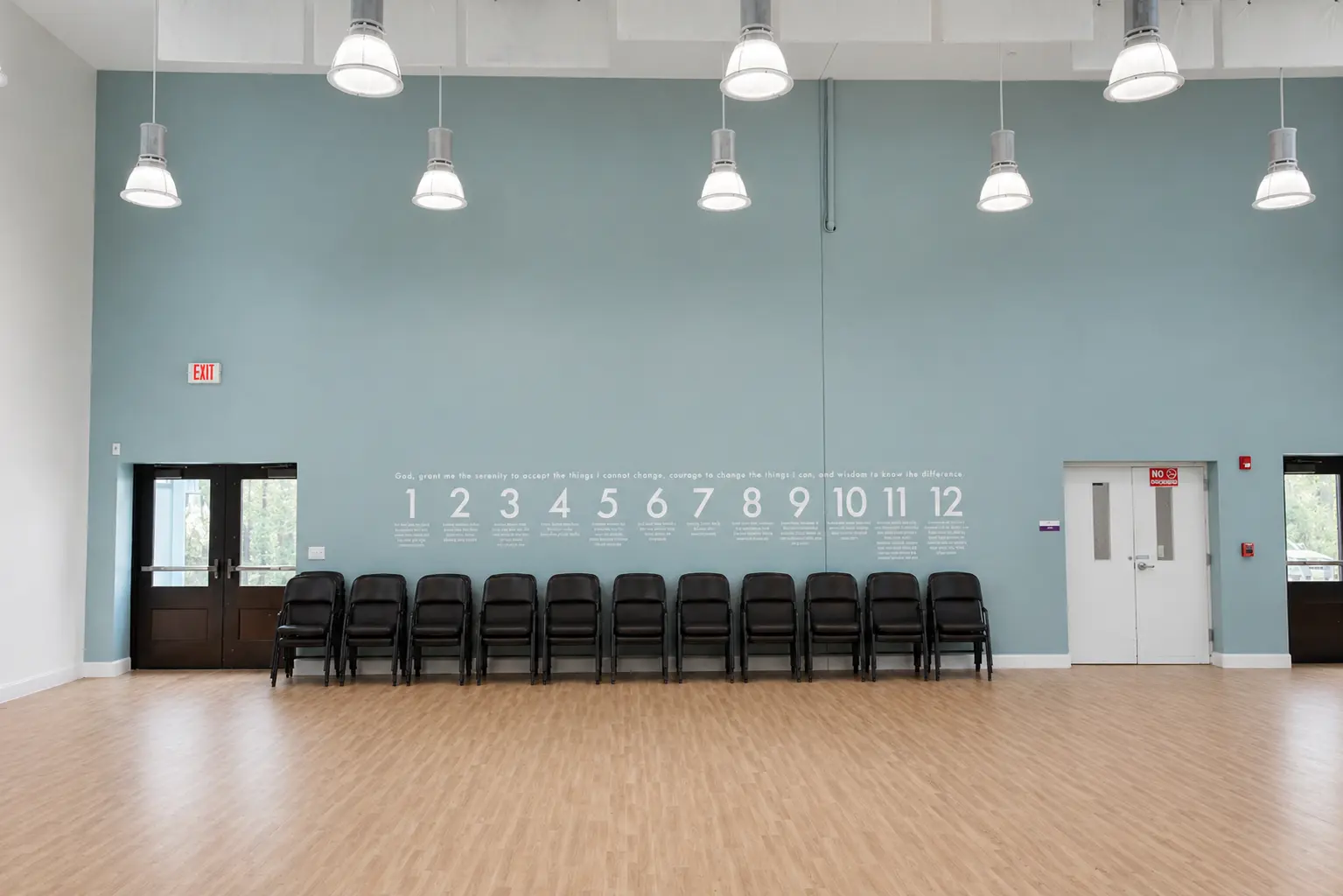
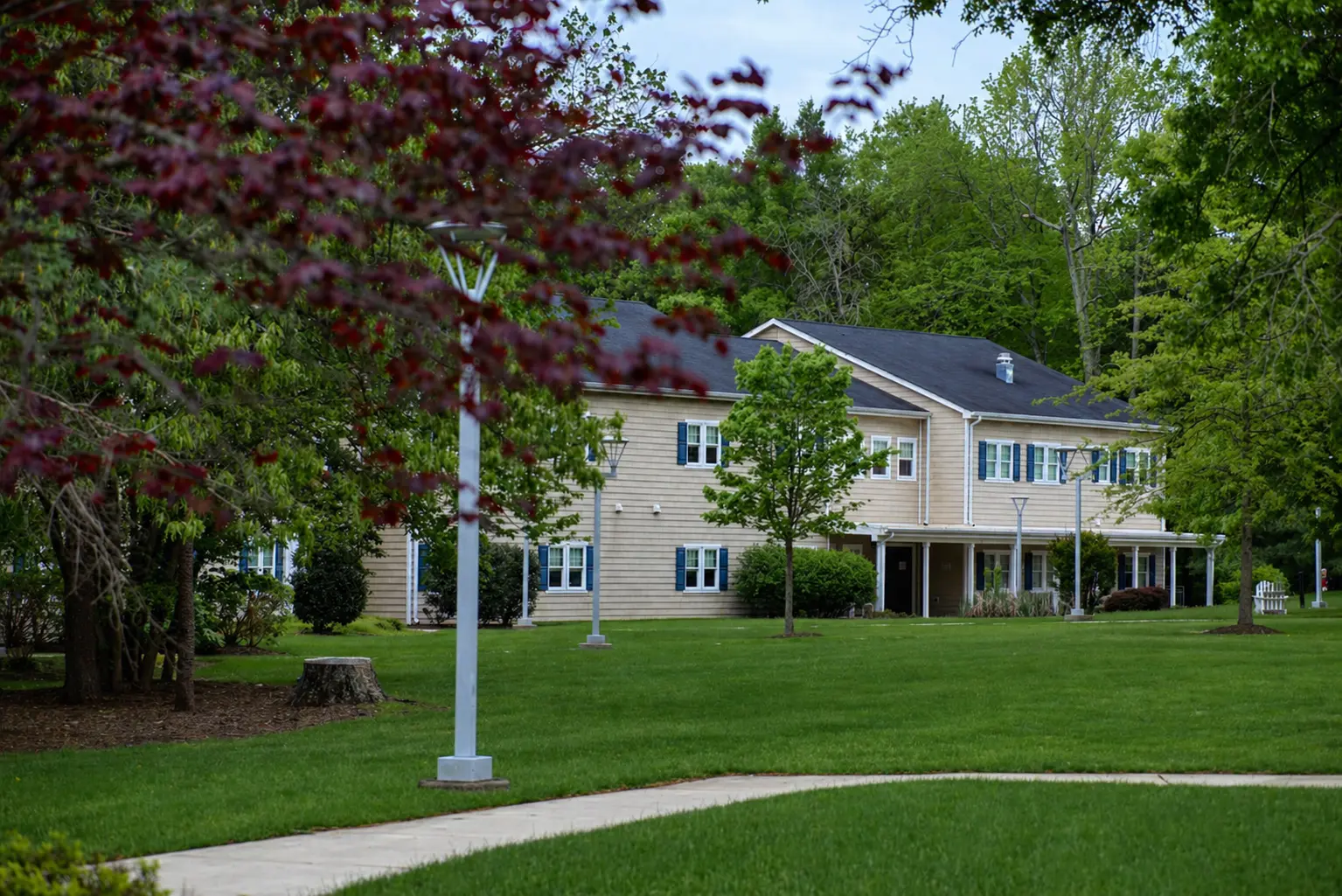
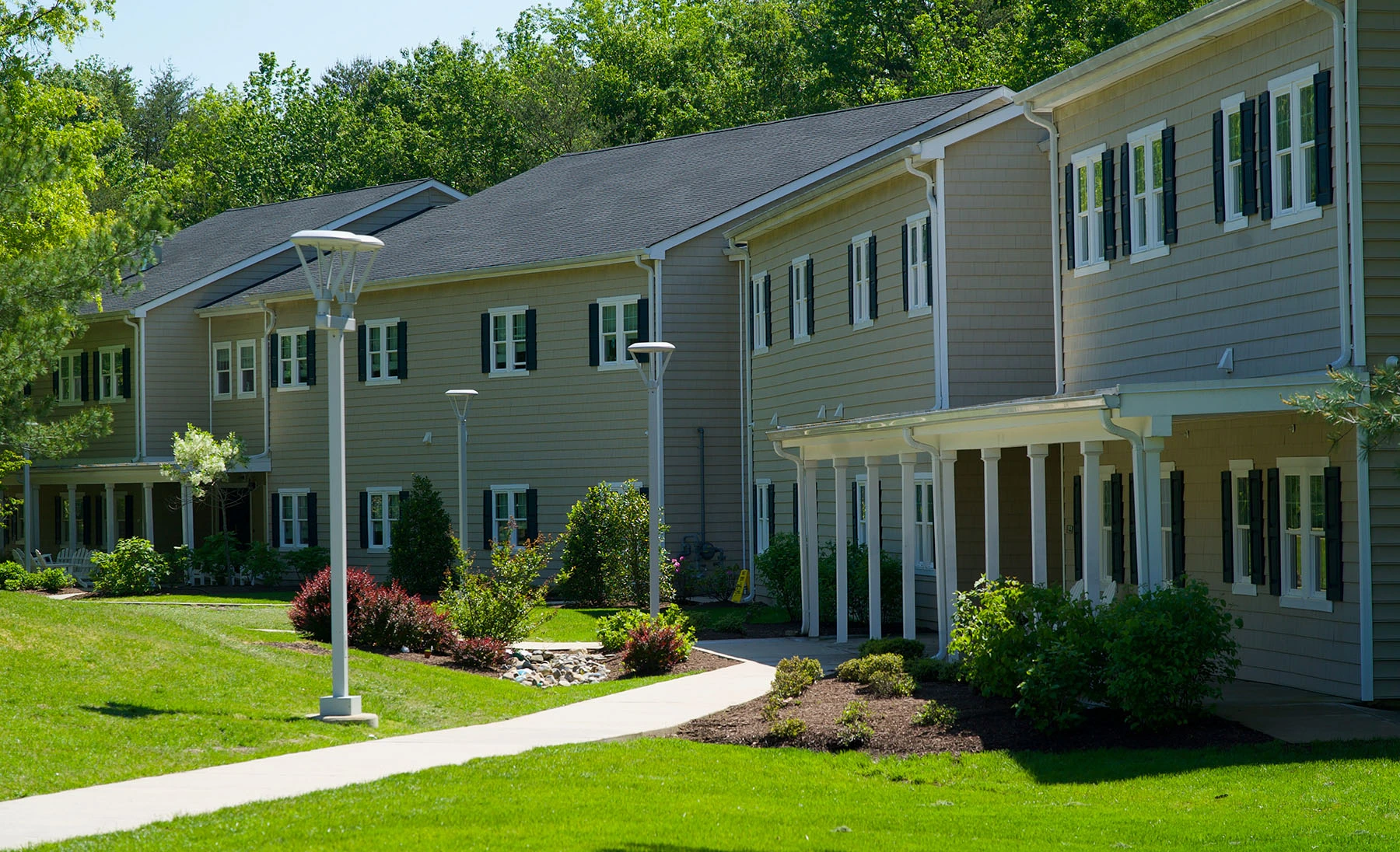
Our 140-bed campus is intentionally designed to feel welcoming from the moment you arrive, with a bright, open lobby, high ceilings, modern furnishings, and comfortable spaces to relax and recover. Take advantage of our on-site fitness center and laundry facilities, spend time in recreational areas, or enjoy music and creative expression with instruments including a piano and drum set. Private rooms may be requested, and once a week, Pets on Wheels brings a dog to visit patients for an extra dose of comfort and companionship.

Who Should
Consider Treatment?

RCA at Capital Region admits adults from across the country and is easily accessible to the DMV and Washington metropolitan area, from the District and Southern Maryland to Northern Virginia and the corridor down from Baltimore.

You may be a good fit if:

  • You are experiencing withdrawal symptoms or finding it difficult to stop using substances on your own
  • You want a professional assessment to determine the level of care that gives you the best chance of long-term recovery
  • You have completed treatment before but need a new approach to support lasting recovery
  • You are living with both a substance use disorder and a mental illness
  • You are looking for treatment tailored to your individual recovery needs
  • You are pregnant and seeking addiction treatment
  • You need a stable place to live while you are in outpatient treatment

How to Get Started

Reaching out is one of the hardest things to do. But our staff get it, because many of us have stood exactly where you’re standing now. That’s why we built a clear admissions process, with no pressure and no commitment attached.

Phase 1:
Assessment and Admission

Call 1.800.RECOVERY or complete the secure online form anytime, and on that call, we:

  • Review your substance use, your medical history, and where things stand right now
  • Identify the level of care that fits your needs
  • Check your insurance coverage and explain what, if anything, you’d owe out of pocket
  • Talk you through it all: the timing, what to expect, and what happens next
  • Guided, professional interventions are available for families

Same-day in-person admission* is available. We walk beside you through every step.

Phase 2:
Active Treatment Begins

Your personalized care draws on:

  • A treatment plan developed around your whole situation
  • Group and individual therapy grounded in evidence
  • MAT where it is medically appropriate
  • A case manager who coordinates your aftercare
  • Skill-building for relapse prevention and everyday life
  • Whole-person support beside the clinical treatment
  • Family involvement through programming and education

Phase 3:
Stepping Down with Continued Support

As you progress, we help you shift toward:

  • A lower level of care when it is warranted
  • Access to RCA’s alumni network and its events
  • Peer support that stays open to you
  • Family education available after you go home

*Transferring directly from a hospital, emergency department, or urgent care? Timing matters! FastTrack helps arrange inpatient admission without waiting for extra medical paperwork, so you can act quickly.

Recovery doesn’t end when treatment does. RCA stays in your corner for the long haul.  

Expert Addiction Treatment in Waldorf:

from Detox Through Long-Term Recovery

Recovery is not one-size-fits-all, and there is no wrong way to get help; therefore, you can start treatment with RCA at Capital Region through one of several levels of care. Whatever your path looks like, RCA provides a full continuum of care, from medical detox through lifelong recovery.

Specialty Addiction Treatment Programs

at RCA Capital Region

Medication-Assisted Treatment (MAT)

For Opioid Use Disorder:

  • Buprenorphine – Eases withdrawal symptoms and cravings without a euphoric effect. Available as Subutex and Suboxone film or tablets, and Sublocade as a monthly injection
  • Naltrexone – Blocks opioid receptors outright, so opioids taken afterward produce no effect. Oral tablets or injectable Vivitrol
  • Methadone – A full opioid agonist, given as one supervised daily dose that keeps cravings and withdrawal symptoms from taking hold
For Alcohol Use Disorder:
  • Naltrexone – Takes the edge off the reward that comes with drinking, so cravings lose their pull over time. Available orally or as a monthly injection
  • Acamprosate – Eases the brain back into balance after years of heavy drinking. Prescribed as Campral tablets
  • Disulfiram – Sold as Antabuse, works as a firm chemical stop, causing an unpleasant physical reaction if a patient drinks

Cravings and withdrawal can be eased through MAT, when clinically appropriate. Our on-site medical team evaluates and prescribes based on your health and history, and is revisited as you progress.

Workflex

RCA at Capital Region offers WorkFlex, a program that opens short, supervised windows with your phone and laptop during an inpatient stay, so that you can engage with work or school while in treatment.

We understand that familiar sources of comfort can matter during recovery, which is why emotional support animals may be accommodated on a case-by-case basis. RCA at Capital Region has “Pets on Wheels” every Friday, offering companionship and comfort.

If you’re pregnant and struggling with addiction or mental health, you’ll receive priority admission here so that you and your child have immediate access to life saving care.  

Virtual or Hybrid Treatment

Our IOP is delivered in different formats, depending on your needs. You can meet with us every day in person, fully virtually over a secure telehealth platform, or in a hybrid format—a mixture of both in-person and online.

Evidence-Based Therapies, and Clinical Services

RCA’s care model is built on cognitive behavioral therapy (CBT), dialectical behavior therapy (DBT), motivational interviewing (MI), and trauma-informed care, with daily groups and scheduled individual sessions, psychiatric support in the mix, and a dedicated case manager from Day 1. For patients who have dual diagnosis, we provide specialized, integrated care, catering to the 21.2 million people who reported co-occurring disorders in 2024.

Where You’ve Been Guides Your Path Forward

People can experience addiction in different ways, which is why at RCA at Capital Region, we consider your history, goals, previous treatment experiences (if any), and mental health needs to help determine the approach that best supports your journey.

Pathway 1 – Foundations of Recovery

For those new to treatment

A supportive approach for people experiencing addiction treatment for the first time, with an emphasis on education, understanding the disease of addiction, and building the coping skills needed for long-term recovery.

Pathway 2 – Fresh Start

For people who have attempted treatment before

Specialized support for people returning to treatment after a recurrence of substance use, with a focus on understanding previous experiences and identifying opportunities for a stronger recovery plan.

Pathway 3 – Balance

For individuals experiencing a co-occurring addiction and mental health condition

Integrated treatment for people experiencing both a substance use disorder and mental illness, with coordinated care addressing both.

Comparing Treatment, Services, and
Levels of Care

Choosing the right treatment program depends on individual needs and circumstances. The table below outlines RCA’s various treatment approaches, services, and levels of care. Our specialists are available 24/7 to help you determine the best level of care to meet your needs.  

Approach Description Best For Duration
Intervention Structured, professionally led conversation designed to help someone accept addiction treatment. This process brings together family members and loved ones to express concern in a supportive, non-judgmental environment People who are denying or minimizing their substance use, refusing treatment, or are struggling to seek help on their own Typically, between 1–2 hours. Planning and preparation with a certified intervention professional (CIP) may take several days to a few weeks prior
Medical Detox Safely ridding the body of substances with round-the-clock monitoring of vital signs by a specialized medical team Patients using substances regularly in large amounts for an extended period, increasing the amounts of substances, or those with intense cravings Varies per person but typically 3-7 days.
Inpatient Residential Rehabilitation 24/7 residential care with intensive therapy and medical supervision Individuals who need a higher level of support or a structured environment to focus fully on recovery, including those with co-occurring mental health conditions. Typically, up to 30 or more days
Partial Hospitalization (PHP)*Intensive, structured treatment during the day without overnight stays Those stepping down from inpatient treatment or those first starting their journey who need substantial support but with a stable living situation Daily sessions for 5 to 6 hours, 5 days a week, lasting several weeks
Intensive Outpatient (IOP)** Regular therapy sessions (in-person, virtual, and hybrid options available at RCA) allowing individuals to maintain daily responsibilities Those stepping down from inpatient treatment or those first starting their journey who need structured support with flexibility 3 to 4 sessions per week, each lasting a few hours, over several months
Virtual Intensive Outpatient Group therapy and individual counseling, from home via secure telehealth platform Those discharging from detox or residential programs and continuing treatment, or those interested in just beginning sobriety 3 to 4 sessions per week, each lasting a few hours, over several months
General Outpatient Programs (GOP) Less intensive therapy sessions, often weekly Individuals who have built a foundation in recovery and want continued support while returning to everyday life. Varies. Often weekly sessions over several months
Medication-Assisted Treatment (MAT) Combines medications with counseling and behavioral therapies Individuals with opioid or alcohol use disorders Varies. Can be long-term
Sober Living Patients live onsite in RCA recovery housing while participating in RCA outpatient programming Patients step down from RCA’s inpatient residential treatment to our outpatient programs in support of a smoother transition to independent living. Varies based on personalized treatment plans. Can be several weeks to months.

Blue-highlighted rows are offered at our Waldorf location.

Continuing Care,
Family, and Alumni Support

A dedicated RCA case manager handles your clinical, insurance, family, and discharge needs in one place, from your first day, so nothing slips through the cracks. Case management is one of seven core tenets that shape every RCA patient’s care.

Alumni programming, peer connections, and recovery events are available to our former patients and those who need connections to sober support. And because addiction affects the whole family unit, the people close to you can join family support groups, webinars, and events before, during, and after your stay.

Insurance and Payment

Recovery Centers of America is in-network with 110+ insurance providers, and we accept many insurance plans with out-of-network benefits. RCA at Capital Region accepts Tricare. Our team will run a free, confidential, no-obligation benefits check. Payment options beyond insurance, like our interest-free self-pay options, can be discussed on the same call.

Local Resources

Insurance, Benefits, and Employment Assistance

Medicaid Insurance

You may qualify for Medicaid through Maryland Health Connection. If you require healthcare coverage, your RCA case manager can help you apply/enroll at any time of year.

Having health insurance helps you access medical care, behavioral health services, medications, and ongoing recovery support after discharge. If you do not currently have health insurance, your RCA case manager can help you apply. This may include helping you determine if you qualify for coverage, completing applications, and connecting you with resources that can support your healthcare needs and recovery journey.

If you need help but are worried about taking time off work, your RCA case manager works with you and your employer to determine whether you are eligible for FMLA. The Family and Medical Leave Act (FMLA) is a federal law that may allow eligible employees to take time away from work for certain medical and family reasons while protecting their job. If you qualify, you may be able to take up to 12 weeks of protected leave.

Finding stable employment provides structure, financial stability, purpose, and opportunities for personal growth and is an important part of recovery. If you are unemployed, your RCA case manager can help connect you with community resources and vocational services that support job readiness and employment. This may include referrals to workforce development programs, career counseling, job training programs, resume-building assistance, interview preparation, and local employment agencies.

Help with Everyday Needs

Transportation

If you need a ride to your appointments, your RCA case manager provides you with transportation information and resources.

If you need housing while attending outpatient treatment, your RCA case manager helps you find the best housing option suited to your needs.

If you and your family are struggling to buy healthy food, your RCA case manager helps determine if you are eligible to apply for assistance and helps you apply for assistance through Maryland’s Supplemental Nutrition Assistance Program (SNAP).

If you live in Maryland, your RCA case manager can help you apply for benefits and services to help with things like energy and utility bills, food and cash, healthcare, pregnancy, children, disabilities, and family emergencies. To learn more and apply for benefits, click here:

If you have legal concerns such as court obligations, probation requirements, child custody matters, driver’s license issues, housing disputes, or other challenges, addressing these concerns can help reduce stress and support long-term recovery. Your RCA case manager can help identify and connect you with resources and legal aid services to assist you after discharge.

If you have a scheduled court date or are currently working with a probation officer, it is important to follow all court requirements and maintain regular communication with your probation officer as directed. Your RCA case manager can help coordinate these important appointments or touchpoints.If you prefer to reach out on your own, the State of Maryland Court Help Centers offer free legal help in civil cases for individuals who do not have a lawyer.

Maryland offers services such as helping low-income residents access food assistance, medical assistance, and temporary cash assistance. They also aid with paying heating bills and can help collect and distribute child support payments.

Recovery & Treatment Support

Medication-Assisted Treatment (MAT)

If you are prescribed MAT like suboxone, buprenorphine, methadone, Vivitrol, or another prescription, your RCA case manager ensures that you have a scheduled appointment prior to your discharge so that you continue to take your medications as prescribed.

As you take your next steps in recovery, having the right people beside you is an important part of your recovery plan. Whether you find strength in shared experiences, encouragement from peers, or the accountability of a community, your RCA case manager will help you find support groups that feel like the right fit for you. And because recovery often involves the people who care about you most, we can also connect your family with support groups that provide guidance, understanding, and hope.

SMART Recovery is a self-help program to manage addictive behaviors. SMART (Self-Management and Recovery Training) recovery is based on evidence-informed psychological approaches, including Cognitive Behavioral Therapy (CBT) and Rational Emotive Behavior Therapy (REBT). Your RCA case manager can help you find a location near you.

Together with your RCA case manager, you will create a plan to support your recovery after treatment. This often includes a step-down level of care. Your RCA case manager helps you schedule your first appointment before you are discharged. Possible next steps may include:

General Outpatient Program

Regular medical care can help identify and address health concerns early, improve your overall well-being, and ensure that you continue to receive the care you need after discharge. Your RCA can help schedule an appointment with your PCP before you leave RCA. If you do not currently have a PCP, your case manager can provide referrals and help connect you with a healthcare provider in your community.

Before you leave RCA, your case manager can help coordinate any medical care you may need after discharge, including scheduling appointments or providing referrals to specialty care including infectious disease treatment, pain management services, sleep disorder evaluation and treatment, women’s health services, prenatal care, and others.

Many people benefit from ongoing behavioral or mental health services after leaving treatment to help manage symptoms of anxiety, depression, trauma, stress, or other mental health concerns. Your case manager helps coordinate individual therapy, psychiatric medication management, trauma-focused counseling, grief counseling, or support groups before you are discharged.

When someone you love struggles with drugs or alcohol, it can be hard to know what to do or how to help. Maryland Coalition of Families offers support for those who love someone with Substance Use Disorder by offering emotional support and connecting families and their loved ones to treatment and other resources and also offer opportunities to learn about substance use disorders. Skilled family peer support specialists have personal experience caring for someone with substance use disorder in their own families and they use what they’ve learned to help others facing this situation.

If you are experiencing an emergency or a crisis, call 988 or 911. If you have thoughts of suicide or are struggling with anxiety, depression, or drugs or alcohol, 988 can provide support. 911 can dispatch police, fire, or emergency medical services. These services work together, so calling either service can get you the help you need in an emergency.

Why Choose
Recovery Centers of America

RCA at Capital Region runs ethical, expert addiction treatment refined across nearly 100,000 admissions nationwide, in service of our mission to save one million lives affected by addiction and mental health disorders, one person at a time. Treatment here is measured, and progress is tracked and revisited. Patients across RCA rate their experience 4.5 out of 5.

  • Recognized by Newsweek as America’s Best Addiction Treatment Centers for multiple consecutive years
  • Personalized treatment pathways tailored to your recovery stage, including first time in treatment, care after relapse, and dual diagnosis treatment
  • Compassionate, science-backed modalities
  • Measurement-driven care
  • Family-inclusive services that address addiction’s ripple effects, including interventions, support groups, and webinars
  • 24/7 admission support, weekends and holidays included

2000+ 5-Star Google Reviews

Real stories from patients and families reflect the care, compassion, and
support people experience across Recovery Centers of America.

11100 Billingsley Rd, Waldorf, MD 20602

RCA at Capital Region, MD

Transportation is available for those who need assistance getting here.

Frequently Asked Questions

What should I bring to treatment?

Before admission, we provide a full packing list and information on what to pack. Since we have laundry facilities on site, bring one week’s worth of comfortable clothing. You can bring personal hygiene items, ID and insurance cards, nicotine products, pictures of loved ones, and more. Read what to bring to rehab for more information.

RCA’s location in Fairfax, VA, delivers outpatient services only, so it’s best to reach out to us first. Many Northern Virginia patients have been to both locations during one course of treatment.

Yes. Recovery housing is available to those who need access to safe, reliable housing while they are enrolled in an outpatient treatment program. Meals are included in RCA at Capital Region Sober Living.

Yes. Subutex and Suboxone, Sublocade, oral and injectable naltrexone (Vivitrol), acamprosate (Campral), disulfiram (Antabuse), and methadone are prescribed on campus when clinically appropriate.

Yes. Admissions can verify your specific Tricare benefits, along with any other plan, on the first call.

Detox typically takes up to 7 days, and residential care typically lasts 30 or more days. PHP meets 5 to 6 hours a day, 5 days a week, for several weeks. IOP meets 3 times a week over several months.

Yes, fully virtual or hybrid, with identical curriculum and attendance expectations.

RCA at Capital Region specializes in treating depression, anxiety, and other mental illness as a co-occurring diagnosis to substance use disorder.

×